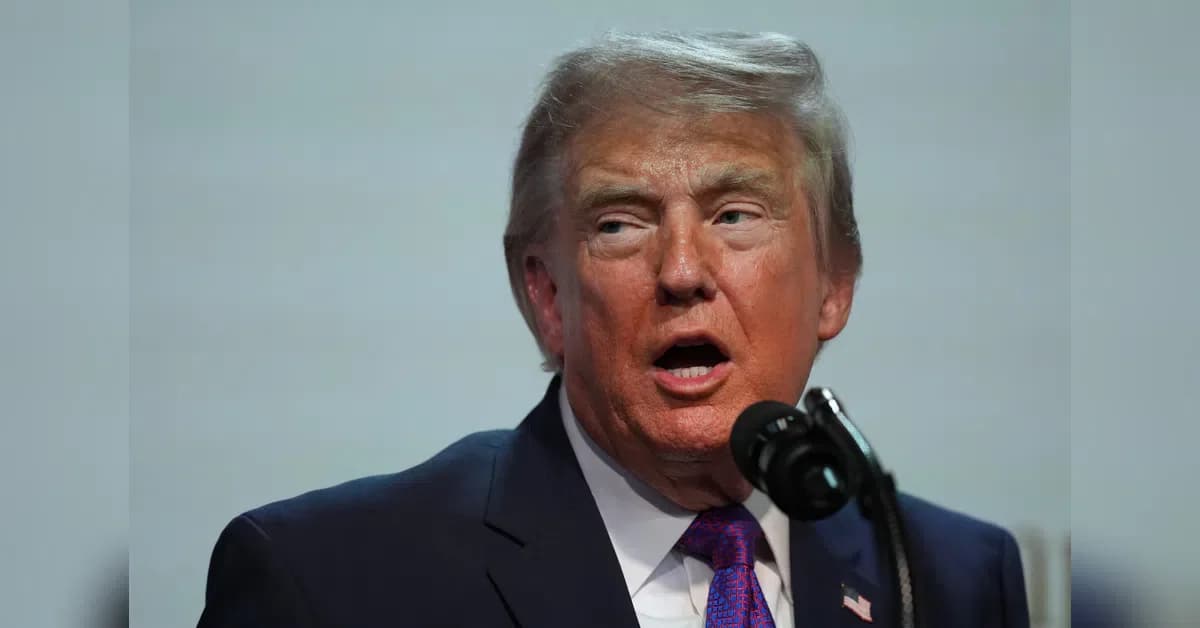
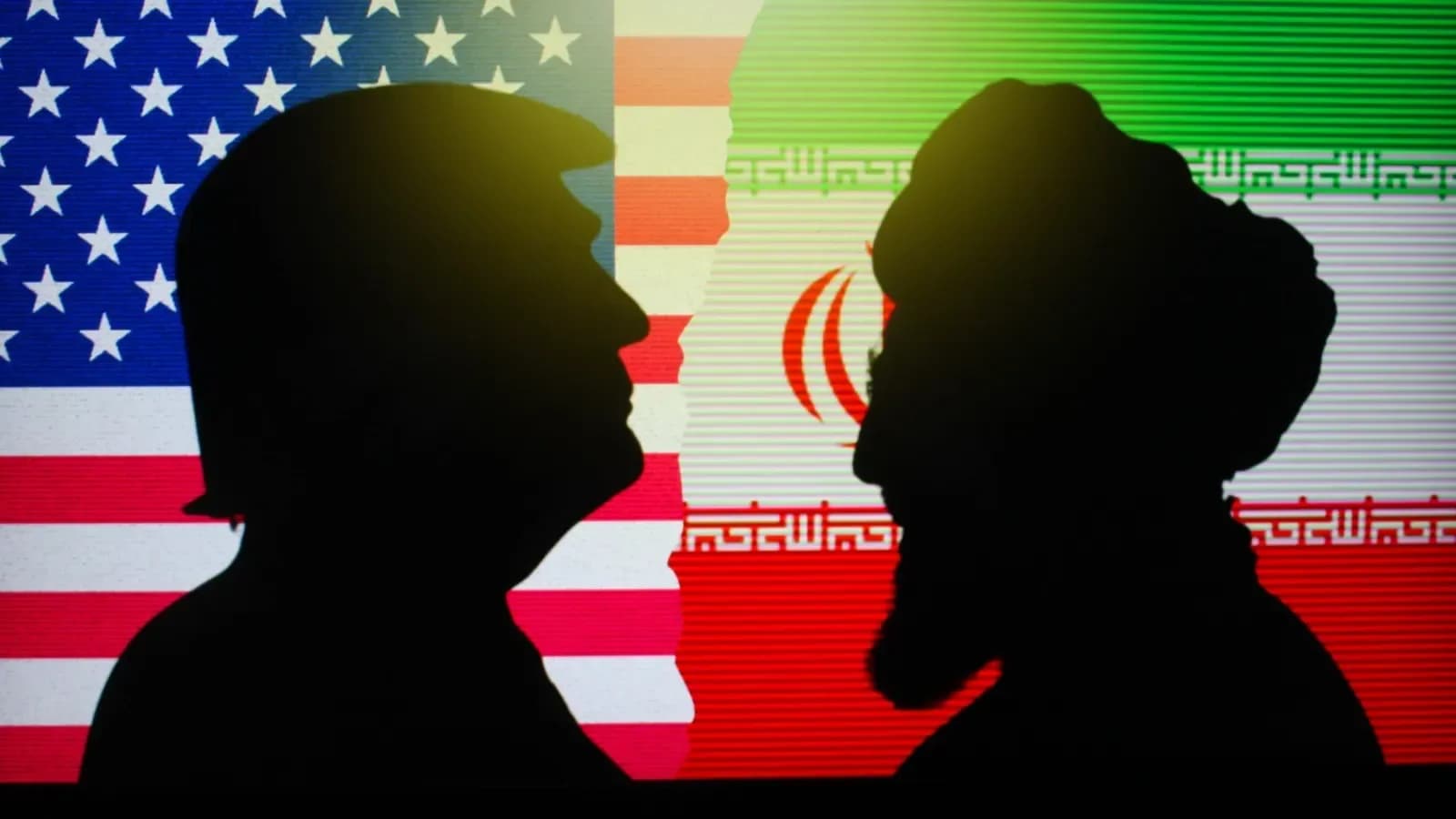
President Trump confirmed on Saturday that a comprehensive deal with Iran has been 'largely negotiated' after intensive diplomatic consultations with regional allies. As reported by NPR, Trump stated 'An Agreement has been largely negotiated, subject to finalisation between the United States of America, the Islamic Republic of Iran, and the various other Countries,' noting that final aspects are currently being discussed and will be announced shortly. The breakthrough comes after twelve weeks since the US and Israel attacked Iran on February 28, killing top Iranian officials including its supreme leader and interrupting nuclear talks for the second time in less than a year. Iran's Foreign Ministry spokesperson Esmail Baghaei described the draft as a 'framework agreement' that would include an official declaration of the war's end and two-month negotiations on Iran's nuclear program. The deal aims to end the war and includes a 'Memorandum of Understanding pertaining to PEACE' that still must be finalized by the participating countries.
A central pillar of the emerging pact is the restoration of maritime stability, with President Trump explicitly noting that 'the Strait of Hormuz will be opened' under the agreement terms. This development signals major relief for global energy markets and maritime trade corridors that have been choked by months of regional volatility. The diplomatic effort has involved direct consultations with multiple regional leaders, including Saudi Arabia's Crown Prince Mohammed bin Salman Al Saud, UAE's President Mohammed bin Zayed Al Nahyan, Qatar's Emir Tamim bin Hamad Al Thani and Prime Minister Mohammed bin Abdulrahman Al Thani, Pakistan's Army Chief Asim Munir, Turkiye's President Recep Tayyip Erdogan, Egypt's President Abdel Fattah El-Sisi, Jordan's King Abdullah II and Bahrain's King Hamad bin Isa Al Khalifa. President Trump also noted a separate, 'very well' received call with Israeli Prime Minister Benjamin Netanyahu regarding the framework. Iran's state TV quoted Foreign Ministry spokesperson Esmail Baghaei as stating that the Strait of Hormuz is among the topics discussed in the negotiations. The U.S. Central Command reported that U.S. forces had turned away more than 100 commercial vessels and disabled four since the blockade began April 13.
President Trump announced the unfinalized deal on social media after talks with Israel and other allies, describing it as a 'Memorandum of Understanding pertaining to PEACE' that still requires finalization. According to NPR, Trump said he had spoken with leaders from Saudi Arabia, the United Arab Emirates, Qatar, Pakistan, Turkey, Egypt, Jordan and Bahrain, and separately with Israel. A regional official with direct knowledge of the Pakistan-led mediation efforts said earlier Saturday that 'the parties have made significant progress' in talks, but cautioned that 'last-minute disputes' could blow up the efforts. Iran's parliament speaker Mohammad Bagher Qalibaf, the lead negotiator in historic face-to-face talks with the US last month in Islamabad, warned that Iran has 'rebuilt its military assets' and if Trump resumed attacks, the result would be 'more crushing and more bitter' than at the start of the war. The war's stated aims have not been achieved, with Iran still maintaining its enriched uranium stockpile and missile program it says is being rebuilt.
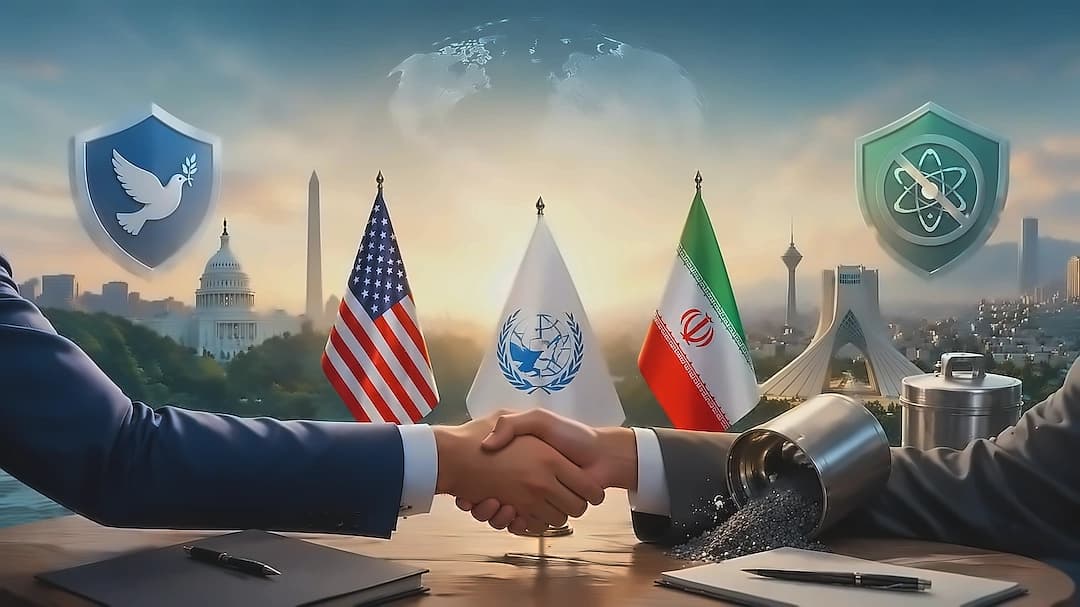
Pakistan appears to have played a key mediating role in the high-stakes negotiations, with the country's military describing recent developments as 'encouraging progress toward a final understanding.' The Pakistan Army released a statement confirming that negotiations have led to 'encouraging progress toward a final understanding,' with the critical mediation track currently focused on preventing immediate escalation following high-level military and political friction. A regional official with direct knowledge of the Pakistan-led mediation efforts cautioned that 'last-minute disputes' could blow up the efforts, as reported by NPR. Qatar sent a senior official to Tehran to support Pakistan's efforts. Despite the diplomatic momentum, major questions remain unresolved, particularly around how Iran's enriched uranium stockpile would be removed, monitored or dismantled. While the skeleton of the peace deal appears intact, the world now watches to see if the final details, most notably the verified removal of Iran's enriched uranium, can cross the finish line.
Iran's Foreign Ministry spokesperson Esmail Baghaei clarified that nuclear issues are not part of current negotiations, stating 'Our focus at this stage is on ending the war on all fronts, including Lebanon.' According to NPR, Baghaei added that lifting sanctions on Tehran 'has explicitly been included in the text and remains our fixed position.' The Iranian-backed Hezbollah's Al-Manar TV reported that the Lebanese militant group's leader received a letter from Iranian Foreign Minister Abbas Araghchi saying Tehran will not abandon its allies. Iran's parliament speaker Mohammad Bagher Qalibaf emphasized that Iran has rebuilt its military assets and warned of a 'more crushing and more bitter' response if attacks resume. The new supreme leader, though still unseen publicly since the war began, is the son of the previous one and close to the powerful Revolutionary Guard. U.S. Secretary of State Marco Rubio repeated the U.S. stance that Iran can never have a nuclear weapon and must turn over its highly enriched uranium, and the Strait of Hormuz must be open.