India, once the world's second-largest sugar exporter, is expected to have little surplus for export for at least three more seasons as El Nino weather conditions threaten cane production and rising ethanol demand squeezes supply. According to reports from Business Standard, India exported 6.8 million metric tons of sugar annually on average in the five seasons through 2022-23 - about 10% of global shipments. This year, after exporting around 800,000 tons, India banned shipments until September 30, the end of the season. Mills need government approval to export sugar, and New Delhi is likely to withhold export permissions each season rather than announce a multiyear ban.

El Nino conditions are forecast to weaken India's monsoon rains this year to their lowest in 11 years. As reported by Business Standard, below-average rains, coupled with June precipitation running more than 40% below average, have prompted farmers to delay planting. India was expected to produce 30.95 million tons of sugar this season, but output is now forecast at 27.9 million tons, below annual consumption of about 28.5 million tons. At the same time, inventories with mills at the start of the season on October 1 are likely to fall to about 3.5 million tons, the lowest in more than three decades, according to MEIR's Shaikh. The impact extends beyond cane volumes as water stress and higher temperatures can reduce sucrose accumulation and lower sugar recovery rates.
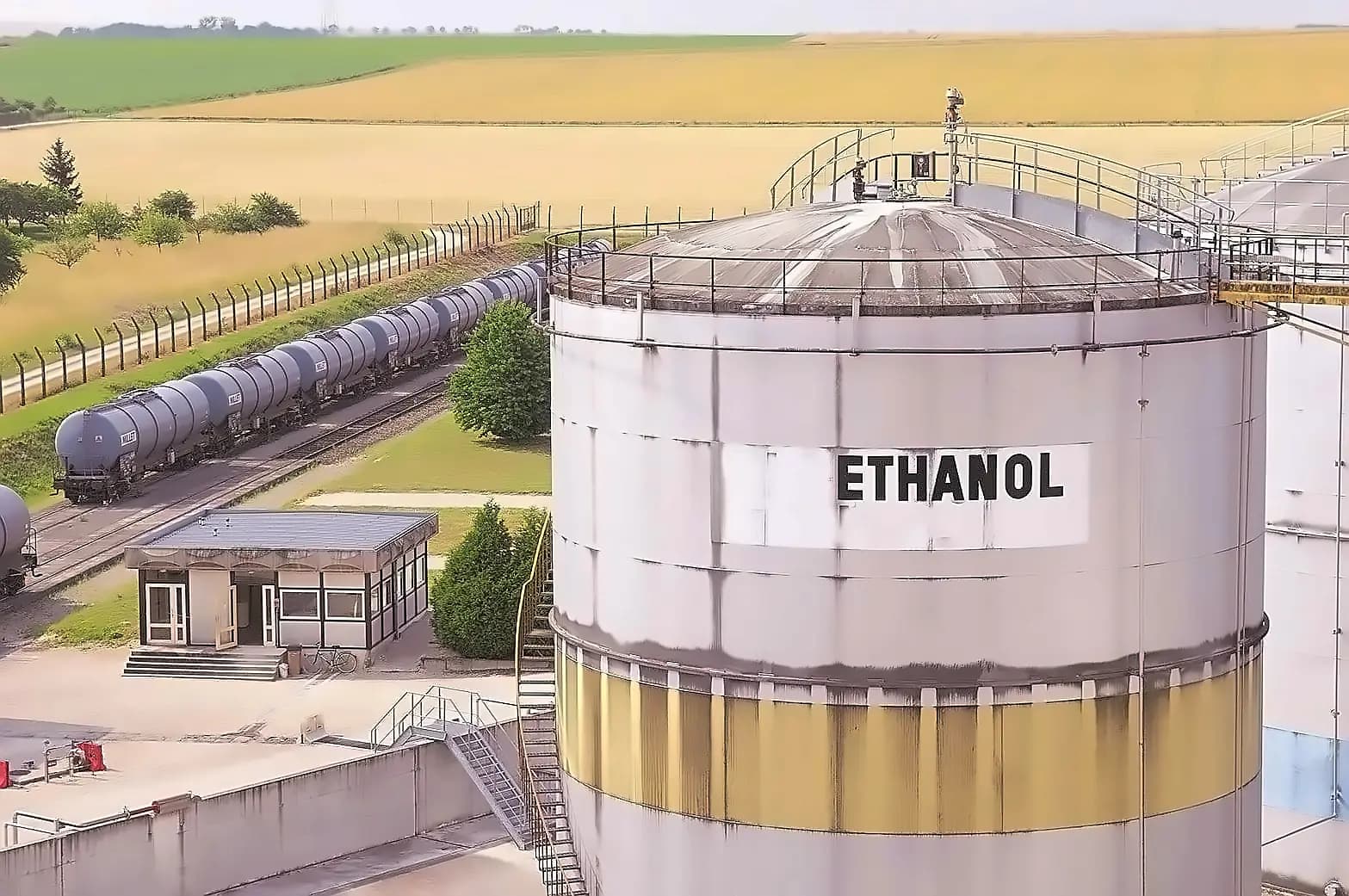
India is pushing for higher ethanol blending with petrol and wider adoption of flex-fuel vehicles to cut dependence on expensive imported crude. According to Business Standard, ethanol demand could more than double to some 30 billion litres by 2039-40 from the current 12 billion to 13 billion litres as higher ethanol blending in petrol and adoption of flex-fuel vehicles gather pace. India achieved 20 per cent ethanol blending in 2025, ahead of the original 2030 target, with oil marketing companies now procuring more than 11,000 million litres of ethanol annually. Grain-based ethanol now provides greater resilience, contributing nearly two-thirds of total ethanol production and reducing dependence on sugarcane. Fixed-price ethanol contracts backed by the government provide mills with a more predictable income stream than volatile export markets.
India's sugar balance sheet reveals the structural shift underway. According to the Indian Sugar & Bio-energy Manufacturers Association (Isma), 2025-26 projections show opening stocks of about 5 million tonnes, sugar production of 30.95 million tonnes, domestic consumption of 28.5 million tonnes and diversion of 3.4 million tonnes toward ethanol. That leaves only a narrow exportable surplus, with closing stocks estimated at around 6.3 million tonnes - equivalent to roughly three months of domestic consumption. Current production estimates show output at 27.9 million tonnes, close to India's annual domestic consumption of about 28.5 million tonnes, leaving limited room for exports. The government's decision in May to ban sugar exports till September 30, 2026, reflected this changing balance as stock concerns began outweighing expectations of comfortable seasonal production.
The twin pressures are poised to keep millions of tons of sugar off the world market, tightening supplies for importers across Asia, Africa and the West Asia and supporting benchmark prices in London and New York. As reported by Business Standard, India last imported sugar in 2016-17 and 2017-18 after an El Nino-induced drought in 2015 cut cane planting. In 2009 and 2010, India's heavy purchases helped push global prices to nearly three times their previous levels. Industry experts warn of potential market share loss as buyers increasingly turn to suppliers such as Brazil and Thailand. Singh warned that if production stays weak for several seasons in a row, India could even end up importing sugar again, representing a dramatic reversal from the country's traditional export-led model.