The 3-2-1 crack spread has reached $66 per barrel as of August 13th, representing a dramatic increase from $29 per barrel at the end of February 2026. According to reports from The Financial Express, this spread measures the premium per barrel of refined fuel over crude oil, with the current level approximately two times normal historical levels. The spread has ranged between $20-35 per barrel over the past six months, but has consistently remained above $60-70 per barrel in the last month alone.
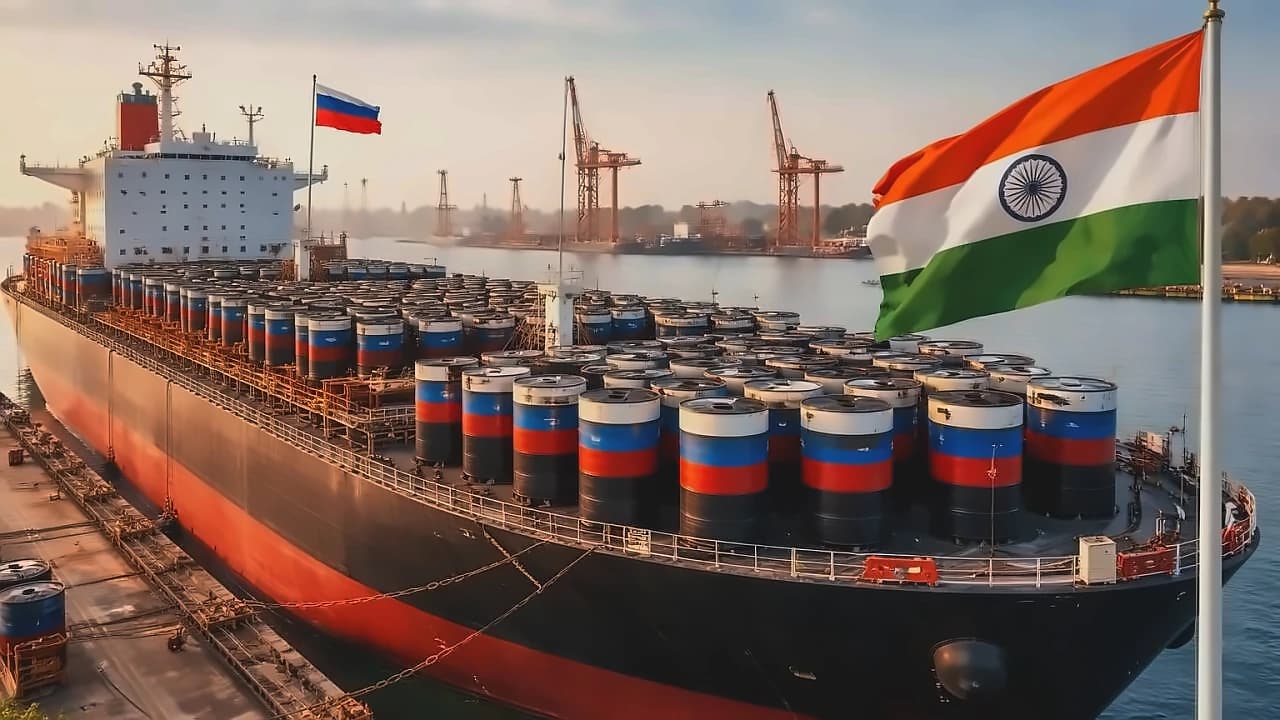
Russia has dramatically increased its reliance on Asian refined fuel imports, with nearly 270,000 metric tonnes of refined fuel expected to arrive in August 2026, according to preliminary shipping data and trade sources cited by Reuters. About one-third of these imports originated from India, while the remainder came from South Korea and Malaysia. An Oman-flagged tanker loaded about 68,000 metric tons of gasoline at the Port Said anchorage in a ship-to-ship transfer from the tanker Agni, which had been loaded at India's Vadinar port, with the cargo discharged at Russia's Arctic port of Vitino in early August. Two tankers carrying refined products are expected to reach Russia's Far East this week, including one carrying at least 40,000 tonnes of jet fuel loaded near Malaysia's Johor Strait and another with nearly 30,000 tonnes of gasoline loaded off Yeosu in South Korea.

The surge in crack spreads reflects severe refining capacity constraints and record-breaking profits for refineries. As reported by The Financial Express, the Strait of Hormuz closure has reduced global refined fuel availability, with approximately one-fifth of global refined petroleum flow previously transiting through this strategic chokepoint. The increased spread indicates that existing refining capacity has reached its operational limits, creating a financial incentive for refineries to maximize production while current capacity remains fully utilized. Recent data shows that Russia exported 3.71 million barrels daily in the four weeks through August 9th, with the latest week averaging just 3.25 million barrels per day, down from 3.5 million barrels a week earlier.
The US has been releasing 116 million barrels from its Strategic Petroleum Reserve (SPR) since the conflict began, bringing current inventory levels to just under 300 million barrels - the lowest since 1983. According to The Financial Express, this steady release of crude oil inventories has prevented crude oil prices from rising as much as refined fuel costs, which have increased by approximately 67% over the past six months compared to crude oil's 50% increase. China has also likely been releasing crude oil inventories from its strategic reserves.
The August fuel shipments represent another dimension of India's expanding role in Russia's energy trade, beyond its traditional crude oil purchases. India's imports of Russian crude reached a record share of 50.83% of its total crude imports in July, equivalent to around 2.47 million barrels per day, according to trade data cited by Reuters. Indian refiners' Russian crude purchases were 62.4% higher than a year earlier, although they fell 4.8% from June's record level. Russia accounted for about 43.25% of India's crude imports during April-July, averaging more than 2 million barrels per day, compared to 37% during the corresponding period a year earlier. The growing energy trade faces geopolitical risks, with a US Senate measure proposing 100% tariffs on buyers of Russian oil, although the legislation still requires House approval.