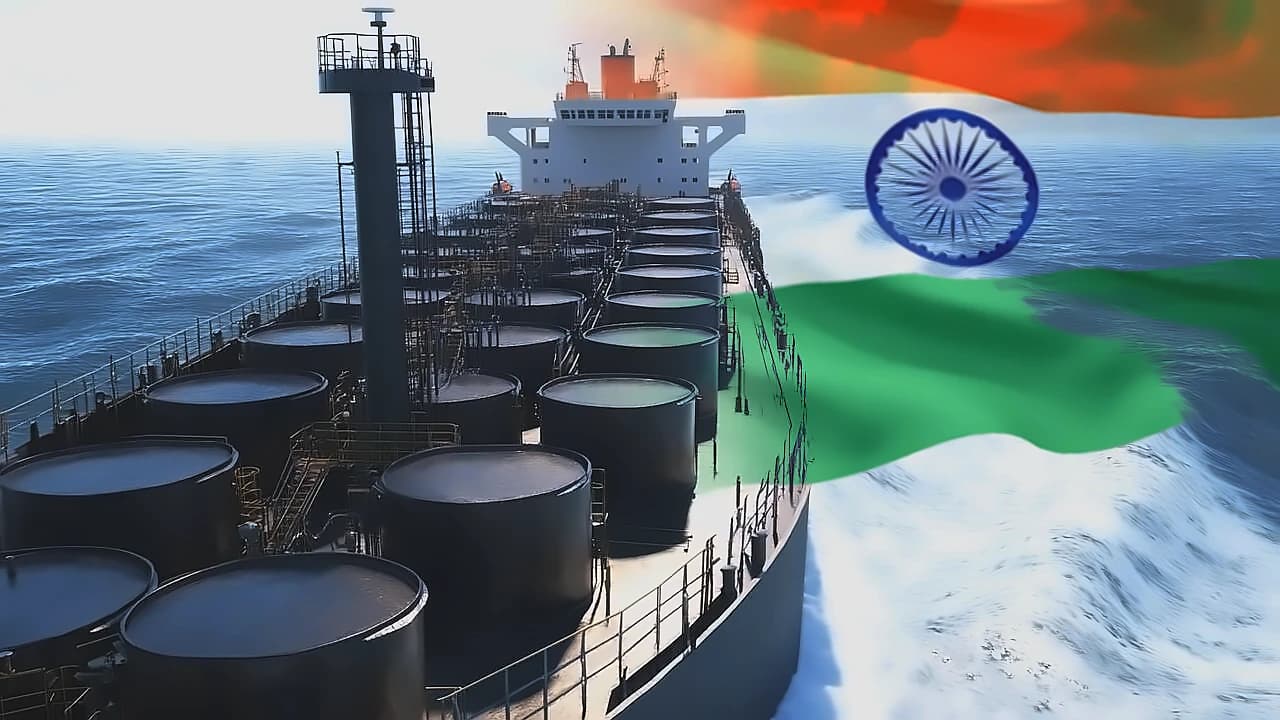
India achieved a significant milestone in October 2026, with Russian crude oil imports reaching EUR 6.4 billion, representing the highest monthly total since January 2022. According to the Centre for Research on Energy and Clean Air (CREA), crude oil constituted EUR 5.8 billion of India's total purchases, with coal and oil products accounting for EUR 333 million and EUR 232 million respectively. This surge in imports helped India become the second-largest buyer of Russian fossil fuels globally, with crude oil constituting 91% of India's purchases and representing the highest monthly total in data going back to January 2022. As per CREA's monthly analysis, this represents India's highest monthly total in data going back to January 2022, with India's imports of Russian crude oil rising 10% month-on-month in October 2026.
India's three largest refineries experienced substantial increases in Russian crude processing during October. As reported by CREA, Reliance Industries Ltd's Jamnagar refinery led with a 22% month-on-month increase, followed by Indian Oil Corporation Ltd's Paradip refinery at 28%, and Nayara Energy's Vadinar refinery at 12%. The Jamnagar refinery's performance was particularly notable, as it once again became the biggest importer of seaborne Russian crude globally, with exports to the US worth ₹94 crore during October. According to CREA, 30% of Jamnagar refinery's crude imports between August and October came from Russia, highlighting the facility's continued reliance on Russian supplies. This increase has once again made the Jamnagar refinery the biggest importer of seaborne Russian crude globally.
The surge in Russian fossil fuel exports has significantly benefited Moscow's revenue streams despite ongoing Western sanctions. According to CREA's analysis, Russia's earnings from fossil fuel exports rose 14% month-on-month in October to EUR 754 million per day, marking the highest monthly level since December 2022. Russia's crude oil export revenues increased 19% month-on-month to EUR 449 million per day, the highest since June 2022, while export volumes increased 6%. The increase in revenues came despite broadly unchanged overall export volumes, pointing to the growing influence of higher international energy prices on Russia's earnings. Russia's crude oil export revenues rose 19% month-on-month to EUR 449 million a day in October, the highest since June 2022, while earnings from seaborne crude exports rose 23% to EUR 352 million per day, the highest monthly level since CREA began tracking the data in January 2022. This revenue increase was driven by higher crude oil prices and the Hormuz energy crisis, which delivered a substantial boost to Russia's fossil fuel export earnings.
Despite sanctions imposed following Russia's invasion of Ukraine in February 2022, refineries in India, Turkey, and Brunei processing Russian crude continued shipping oil products worth EUR 1.6 billion to countries under sanctions. As reported by CREA, twelve shipments of oil products from refineries processing Russian crude were unloaded at EU ports in October despite the bloc's ban on imports of such products, which came into force on January 21, 2026. Ten of these shipments departed from India's Jamnagar refinery, while two departed from Turkiye's STAR refinery. An estimated EUR 389 million of these products were refined from Russian crude, with refineries in India, Turkiye and Brunei exporting oil products to the EU (EUR 1.2 billion), Australia (EUR 271 million), the US (EUR 94 million), and New Zealand (EUR 23 million). Italy and Romania were the largest recipients in October, unloading three shipments each, followed by Greece, the Netherlands, Spain, Belgium, France, and Germany. A further two shipments were unloaded at the port of Kalecik in Northern Cyprus, where EU law does not apply, so they fall outside the ban.
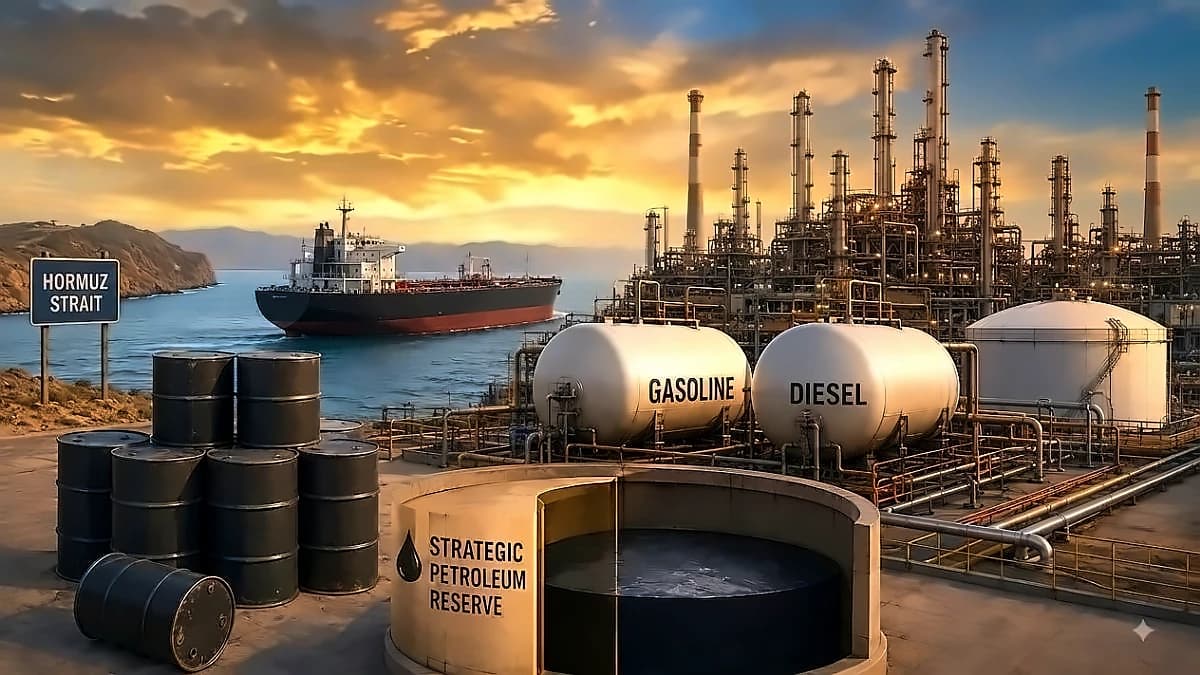
The record import figures underscore Russia's continued reliance on Asian markets, with China and India both recording their highest monthly purchases since January 2022. According to CREA, this trend reflects Moscow's strategic pivot toward Asian buyers while Western governments have stepped up restrictions on Russian energy trade. China remained the largest buyer of Russian fossil fuels in October, purchasing EUR 10.7 billion worth, accounting for 51% of Russia's export revenues from the top five importers. The European Union was the third-largest buyer at EUR 2.2 billion (11% of total), followed by Turkiye at EUR 1.1 billion and South Korea at EUR 488 million. The surge also coincided with elevated global oil and gas prices amid the conflict in the Middle East and disruptions to energy flows through the Strait of Hormuz. The increase in oil and gas prices following US-Israel strikes on Iran added approximately ₹31 billion to Russia's seaborne fossil fuel export revenues over the following six months, further supporting the country's energy export strategy amid the ongoing West Asia conflict.