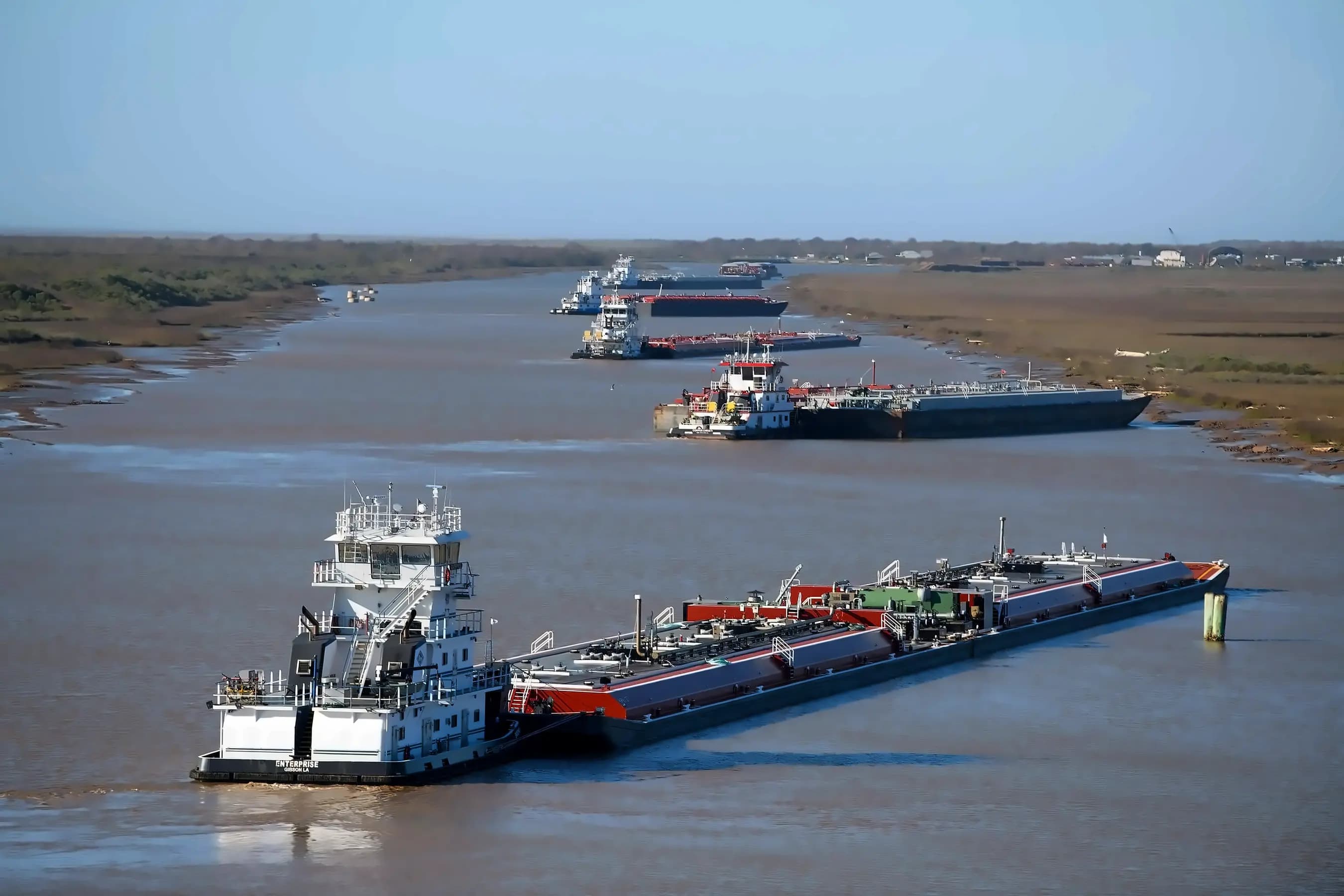
Here is a curious situation. Indian refineries are importing Russian crude, processing it, and then shipping the refined fuel to the very countries that sanctioned Russia. In September 2026, refineries in India, Turkey and Brunei shipped €1 billion ($1.2 billion) worth of oil products to sanctioning countries. That represents a 43% jump from August levels, according to the Centre for Research on Energy and Clean Air (CREA). The European Union took the largest share at €667 million, followed by Australia at €168 million and the US at €154 million. CREA estimates that €295 million of those products were refined from Russian crude.
This is happening despite the EU banning imports of oil products refined from Russian crude in January 2026. The bloc's ban exempts net crude exporters, but CREA points out this leaves a gap. A country can export more crude than it imports while still processing Russian-origin oil at its refineries. The research group recommends applying the ban at the refinery level, which would bar products from any plant that has processed Russian crude in the previous six months. That is a proposal, not policy.
Jamnagar's Strategic Dance
Reliance Industries' Jamnagar refinery in Gujarat sits at the center of this story. It supplied six of the seven cargoes unloaded at EU ports in September. Italy received three shipments, Romania two, and Spain and Cyprus one each. Jamnagar also supplied the largest US-bound exports, worth €122 million. Russian crude made up 32% of its imports from July to September.
How does this work under sanctions? The EU's 18th sanctions package outlines two compliance pathways. One is segregated processing, where products exported to the EU must be demonstrably derived from non-Russian crude. The other is a 60-day washout, meaning no Russian crude processed or imported at the facility for 60 days before the bill of lading date for EU-bound cargoes.
It redirected that intake to its domestic-only Domestic Tariff Area (DTA) refinery. Reliance claims the two are "fully segregated." However, Windward notes that EU enforcement relies on refiners' self-certification without independent third-party auditing, raising questions about whether physical segregation can prevent "leakage" between facilities.
Reliance's own disclosures do not mention segregation controls or EU compliance measures. The company's FY26 annual report lists sanctions and tariff pressures as a risk, but does not quantify exposure. In earnings calls, management has said Russian crude composition is not a constraint for its refineries and that Urals is a close comparable to Middle East grades. Annual Report +1
The Margin Equation
The financial logic is straightforward. Russian Urals crude averaged $90.7 per barrel in September, still trading about $23 below Brent. That discount remained unchanged from August. For refiners, this gap can translate into higher gross refining margins (GRMs), provided other costs like freight do not eat the savings.
Reliance reported robust O2C (oil-to-chemicals) earnings in Q1 FY27. EBITDA stood at ₹17,010 crore, up 17.2% year-on-year. Management said fuel cracks rose 2.5–4.5x and chemical deltas were at a 3–4 year high. However, they also cautioned that headline product margins overstate actual earnings. Middle East crude premiums reached close to $20 per barrel, and freight rates rose roughly tenfold during the Strait of Hormuz disruption. Investor Presentation +2
Indian Oil Corporation, the state-owned refiner, reported a GRM of $15.59 per barrel in Q1 FY27. Adding back the SAED (special additional excise duty, an export tax) brings it to about $36 per barrel. The company has been increasing its Russian crude share, from about 22% in FY25 to roughly 50–54% in Q1 FY27, though management flagged that this figure may use a different measure. Transcript +3
It is under EU and UK sanctions and reportedly runs almost entirely on Russian crude through traders. It has little room to diversify and carries the highest sanctions exposure.
Why Vadinar Overtook Jamnagar
Here is a puzzle. Vadinar overtook Jamnagar as India's largest importer of Russian crude in September, even though Jamnagar dominates exports to Western markets. The answer lies in the relative pace of decline. India's total Russian crude imports fell 13% in September, the second consecutive monthly decline and the lowest level since April. Intake dropped at all three largest importing refineries: Jamnagar by 27%, Indian Oil Corporation's Paradip by 21%, and Nayara Energy's Vadinar by 8%.
Because Jamnagar cut faster, Vadinar moved ahead. This reflects their different starting points. Jamnagar buys opportunistically and shows large swings, such as a 150% jump in June 2026. Vadinar is structurally dependent on Russian crude and has less flexibility to switch. Its smaller decline is consistent with that constraint.
The broader decline was driven by tighter supply and stronger Chinese competition. Kpler data shows India imported about 1.82 million barrels per day in September, down from 2.57 million in July. China's imports have risen as it competes for barrels that would otherwise have gone to India, partly due to reduced access to Iranian oil. Bloomberg reported that refiners cut purchases for November delivery because competition from China was pushing Urals prices up, making Russian crude comparable in cost to Middle Eastern grades.
Divergent Trends Across Refineries
The picture gets more interesting at the terminal level. Smaller facilities showed sharp divergences. The HMEL Mundra Oil Terminal reduced its intake by 74%, while the Kochi refinery saw a 32% month-on-month decline. The main exception was the IOC Mundra Oil Terminal, which received 570,000 tonnes of Russian crude in September after importing none in August.
The sources do not explain the timing of the IOC Mundra jump. Russian crude is bought in parcels, so a terminal can show zero one month and a large volume the next. Many cargoes only receive a final destination while already in transit. This makes month-to-month percentages at small terminals highly volatile. It is not necessarily a sign of a strategic shift.
Indian Oil's management has emphasized diversification. The company has added West African, Latin American and Venezuelan crude to its basket and changes strategy as geopolitical conditions shift. Spot purchases rose to as much as 84% of crude buying in Q1 FY27, as Middle East term supplies were disrupted. This flexibility allows refiners to chase discounts wherever they appear. Transcript +2
The Risk of Regulatory Tightening
The current arbitrage rests on policy as much as economics. The US has been a wild card. A sanctions law raised the threat of punitive tariffs, but on October 16, President Trump waived many sanctions and tariffs tied to Russian oil, a day before they were due to take effect. This allows India and China to continue imports at current levels. A US Treasury decision on October 9 also allows Russian diesel to be sold globally until April 7, 2027.
However, waivers can lapse. If the EU adopts CREA's recommendation to apply the ban at the refinery level, the impact would be significant. Refineries would have to stop Russian crude across the entire site for six months to maintain EU market access, or redirect products elsewhere. Reliance has already shown it can move cargoes to deficit markets in Singapore, Australia, and East and South Africa when needed. Investor Presentation +2
For Nayara, the risk is existential. It is already under sanctions and relies on discounted Russian oil. For Reliance and Indian Oil, the trade-off is between current margin benefits and future regulatory risk. Their recent behavior suggests they are willing to ride the wave while it lasts, but keep one hand on the exit.
What Lies Ahead
India remains Russia's second-largest fossil fuel customer, accounting for 37% of its crude exports since December 2022, compared to China's 50%. This position gives India leverage when Russia has few buyers, but that leverage weakens when China competes aggressively for the same barrels.
Kpler expects India's Russian crude imports to hold at 1.8–1.9 million barrels per day in October. The $23 discount on Urals relative to Brent remains attractive, but rising prices and tighter supply are already prompting refiners to look back at Middle Eastern crude. The Hormuz disruption has pushed global oil prices higher, which benefits Russia's export revenues even as volumes to India moderate.
The story is not over. Sanctions policies can shift quickly, as the recent US waiver showed. Refiners that have built their margins on Russian crude must stay nimble. The 43% export surge is a sign of the times—a global oil market where sanctions, discounts and geopolitics are constantly reshaping the flow of fuel.