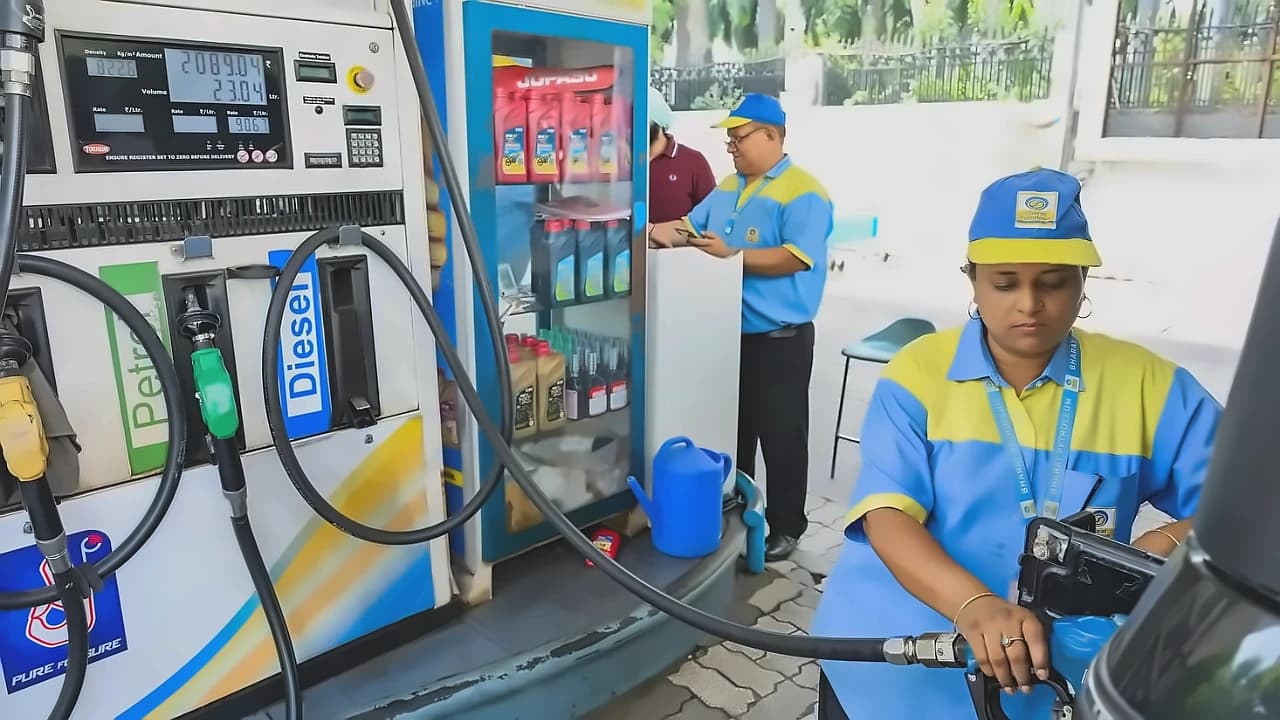
Petrol and diesel prices in India have risen for the fourth time in 11 days, with petrol in Delhi now around ₹102.12 per litre and prices increasing by ₹8-9 in recent days across other cities, according to commodity market expert Anuj Gupta speaking to The Federal. Despite this recent trend, India's fuel price increases remain among the lowest globally compared to other countries experiencing similar crude oil price surges. The country has been absorbing significant financial losses while maintaining relatively modest price adjustments.
While countries like the United States, Pakistan, and European nations saw massive fuel price jumps after the global crude oil surge, India delayed price hikes for weeks and absorbed huge losses, as reported by Moneycontrol. This approach has resulted in India maintaining some of the most competitive fuel prices worldwide during the current oil crisis period. However, Gupta warns that fuel prices could increase another two or three times, but only gradually, as oil marketing companies continue dealing with large losses.
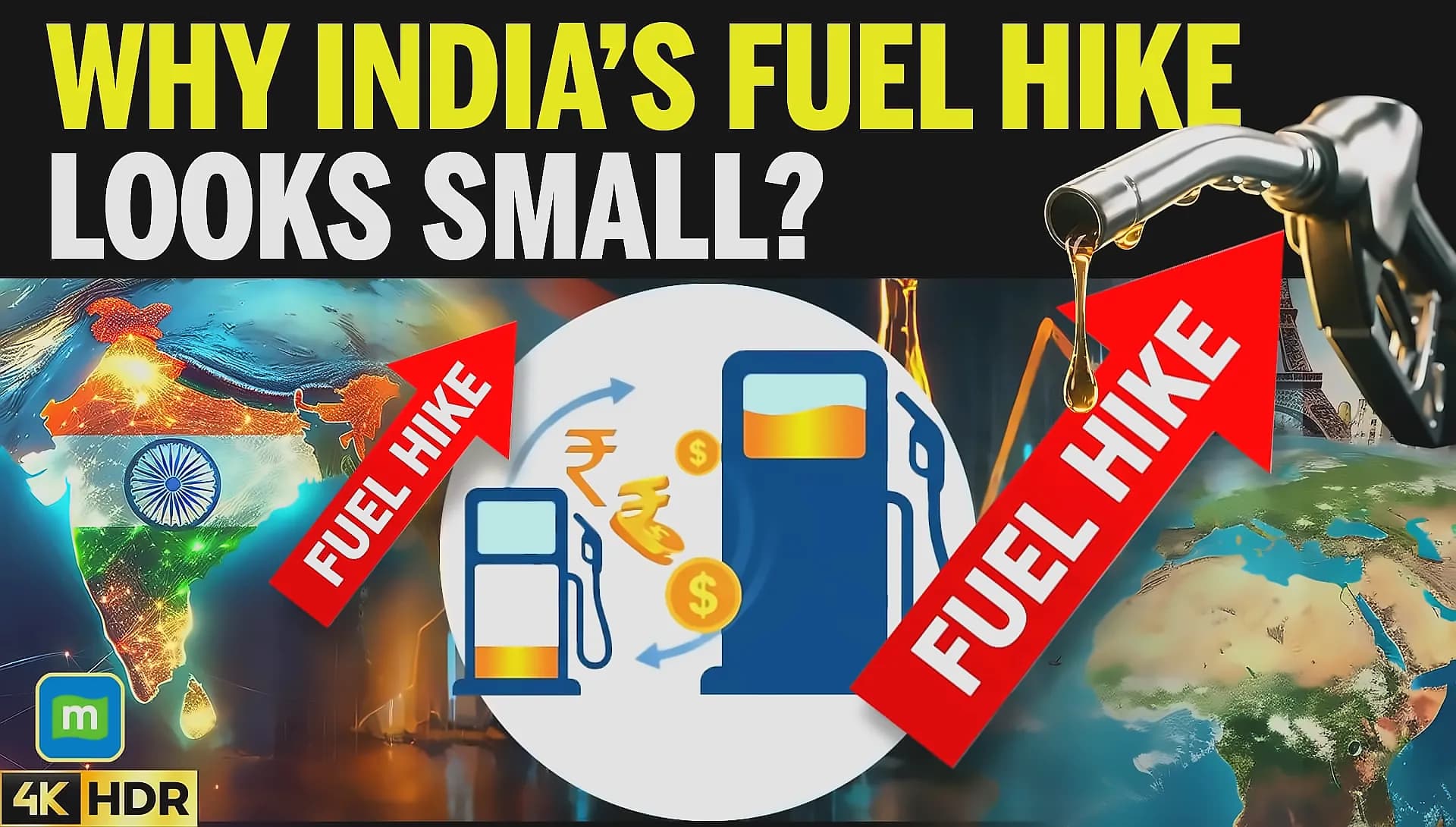
India has been absorbing significant financial losses while maintaining relatively modest price adjustments, according to Moneycontrol reports. The country's strategy of delaying price hikes for weeks has allowed it to absorb huge losses while keeping fuel prices competitive compared to international markets experiencing similar crude oil price pressures. The three oil marketing companies — Indian Oil Corporation, Bharat Petroleum Corporation Limited, and Hindustan Petroleum Corporation Limited — are together bearing losses of around ₹1,000 crore every day, as reported by The Federal. These losses are not short-term issues and could take three to four months for these companies to recover fully even if the Strait of Hormuz situation improves.
The current fuel price situation reflects India's approach to managing global crude oil price volatility while maintaining consumer affordability. As reported by The Federal, everything now depends on the Strait of Hormuz. If it reopens fully and supplies normalise, crude oil prices could fall further towards $75-$80 per barrel and the government may eventually begin reducing petrol and diesel prices. Prime Minister Narendra Modi has appealed to people to avoid unnecessary fuel consumption and reduce excessive spending on imports like gold and silver to conserve foreign exchange reserves. This strategy positions India's fuel market among the most competitive globally during the ongoing crude oil crisis period.