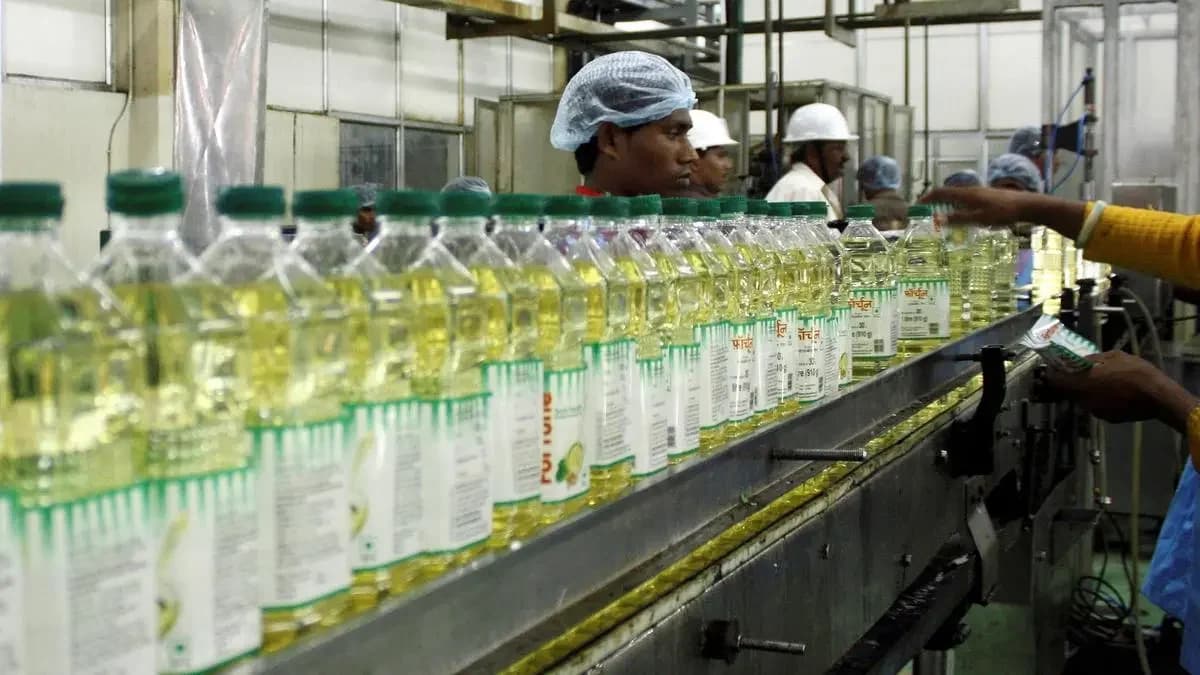
India's palm oil imports in March fell to 689,462 metric tons, representing a 19% decline from February's 847,689 tons, according to the Solvent Extractors' Association of India (SEA). This marked the lowest level since December 2025 and contributed to overall edible oil imports dropping more than 9% to 1.17 million tons in March. The decline was primarily driven by reduced purchases of palm oil and soyoil, while sunflower oil imports increased significantly. Recent geopolitical developments, including the Middle East war and subsequent ceasefire, have added additional volatility to global oil markets and affected import patterns.
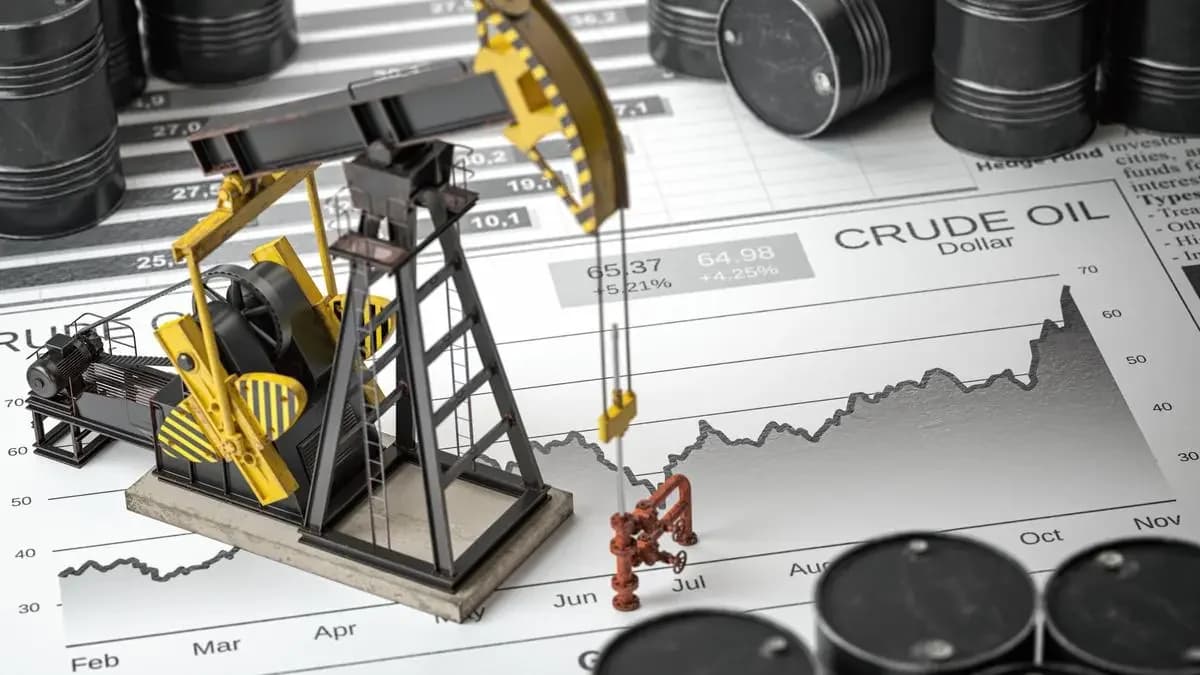
The import decline was attributed to a rally in tropical oil prices that prompted refiners to hold back purchases, aligning with broader energy market trends, according to the SEA. Rising supplies of rapeseed oil from the new-season crop are helping to limit imports in the short term. However, recent geopolitical tensions have created additional market uncertainty, with Brent futures soaring from $70 to peak at around $112 before falling below $91/barrel following the announcement of a ceasefire and confirmation of a projected increase in OPEC+ supply. A Mumbai-based dealer noted that buyers are waiting for price corrections, stating that if prices don't ease in the coming weeks, Indian refiners will step up purchases to replenish stocks.
Soyoil imports decreased 4% to 287,220 tons in March, while sunflower oil purchases surged 35% to 196,486 tons, as reported by the SEA. India sources most of its palm oil from Indonesia and Malaysia, while soyoil and sunflower oil are primarily imported from Argentina, Brazil, Russia and Ukraine. The mixed performance across different oil categories reflects varying market dynamics and supply chain adjustments, with the soybean complex remaining vulnerable to fund liquidations amid ample South American supplies.
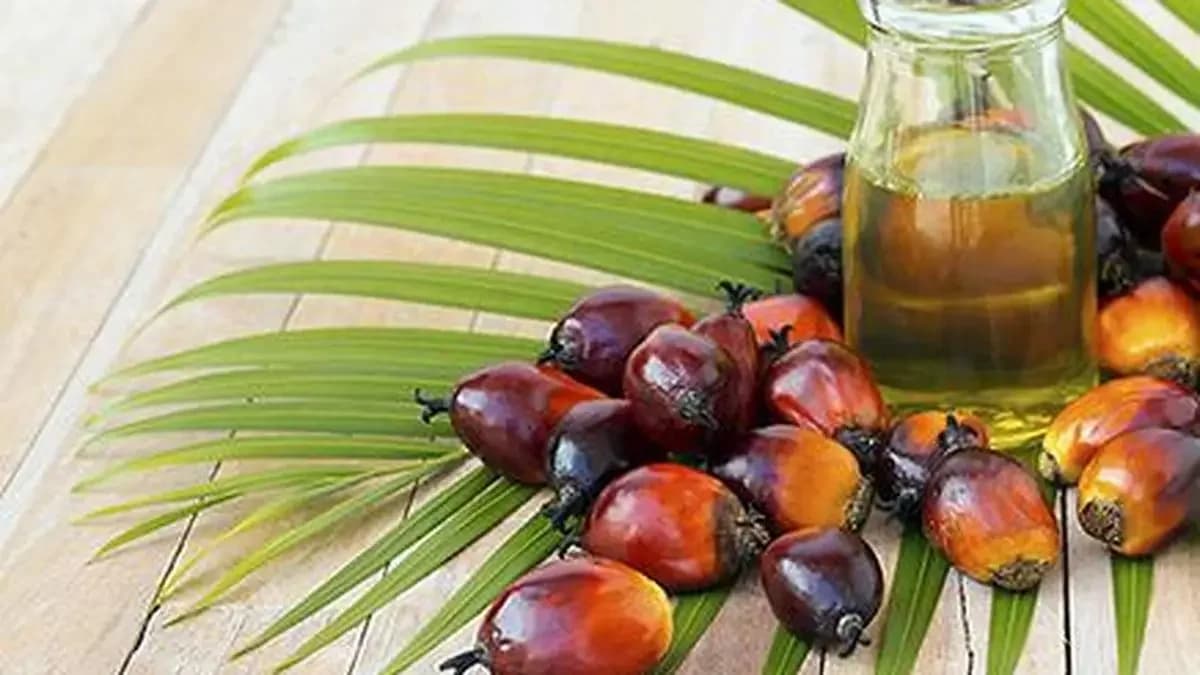
Looking ahead, the implementation of Indonesia's B50 policy on July 1st - blending 50% palm oil-based biodiesel with 50% fossil diesel fuel - is expected to enhance energy security and help farmers while stimulating economic activity. This policy will generate more domestic consumption, leaving less palm oil available for export. Despite current import declines, the most optimistic observers see this as a possibility of restocking after the geopolitical dust settles, though the full impact of the Middle East war on supply chains and consumer purchasing power remains to be assessed in the coming weeks and months.