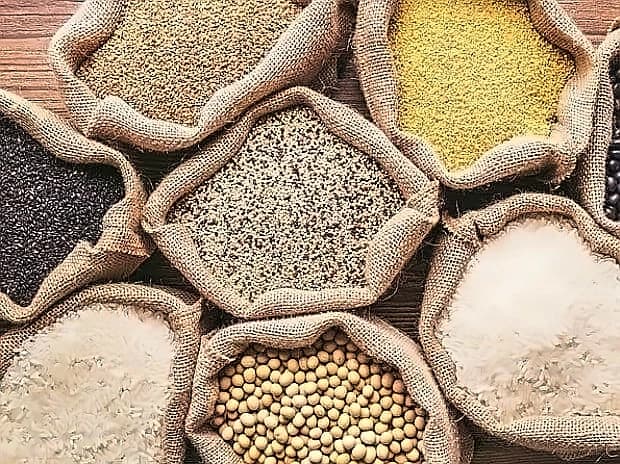
India has achieved unprecedented grain reserves with rice stocks rising 15% year-on-year to a record 68.43 million metric tonnes as of June 1, according to official data reported by The Times of India. This figure significantly exceeds the government's July 1 target of 13.5 million tonnes, demonstrating substantial surplus accumulation. Wheat stocks reached 53.41 million tonnes, nearly double the official target of 27.6 million tonnes and marking the highest level since 2021. The sharp increase in grain inventories is expected to strengthen India's food security position and provide the government with greater flexibility to manage domestic supplies and exports.
Bank of Baroda's latest report warns that India's Wholesale Price Index (WPI) inflation is expected to average around 7-8% in FY27, driven by elevated global commodity prices. The report highlights that fertilizer prices jumped 37.8%, led by a 63.2% increase in urea prices amid natural gas shortages and shipping disruptions. Metal and mineral prices rose 9.7%, with aluminium prices climbing 19.6% due to production disruptions in the Gulf region. Agricultural commodities also witnessed significant pressure, with the agriculture index increasing 5.7%, supported by higher prices of edible oils and grains. Soybean oil prices surged 38.5%, while wheat prices rose 14.8%, as adverse weather conditions and elevated input costs add pressure on grain prices.

Agriculture Minister Shivraj Singh Chouhan has called for advance planning in rain-deficient districts for Kharif 2026 as El Nino concerns intensify. According to latest reports, the minister's meeting focused on preparations for Kharif 2026, including sowing progress, crop targets and state-level readiness. This proactive approach comes as the UN's Food and Agriculture Organisation (FAO) has warned that the newly established El Nino phase could weaken India's summer monsoon and put rainfed crops such as rice and maize under stress during the critical growing season.
The record rice stockpile could help India, the world's largest rice exporter, maintain shipments despite concerns that the newly emerged El Nino weather pattern may affect rainfall and crop production. As reported by Reuters, a New Delhi-based dealer at a global trading firm stated that "rice stocks are more than adequate. That should give the government the confidence to continue exports despite forecasts of below-normal rainfall, which could affect production." India accounts for around 40% of global rice exports and removed its last remaining rice export restrictions in March 2025, positioning the country to maintain its dominant market share.
Market participants said the government's wheat procurement exceeded expectations this year, with India procuring around 35 million tonnes of wheat, leaving authorities in a comfortable position to increase open market sales if required to curb food inflation later in the year. According to Reuters, a Mumbai-based dealer noted that "the government surprised the market by procuring 35 million tons of wheat. It is now in a comfortable position and can release stocks aggressively into the market to keep prices in check." India's rice and wheat production touched record levels in the 2025-26 crop year, reaching 154.02 million tonnes and 120.66 million tonnes respectively, aided by favourable monsoon conditions and expanded acreage.