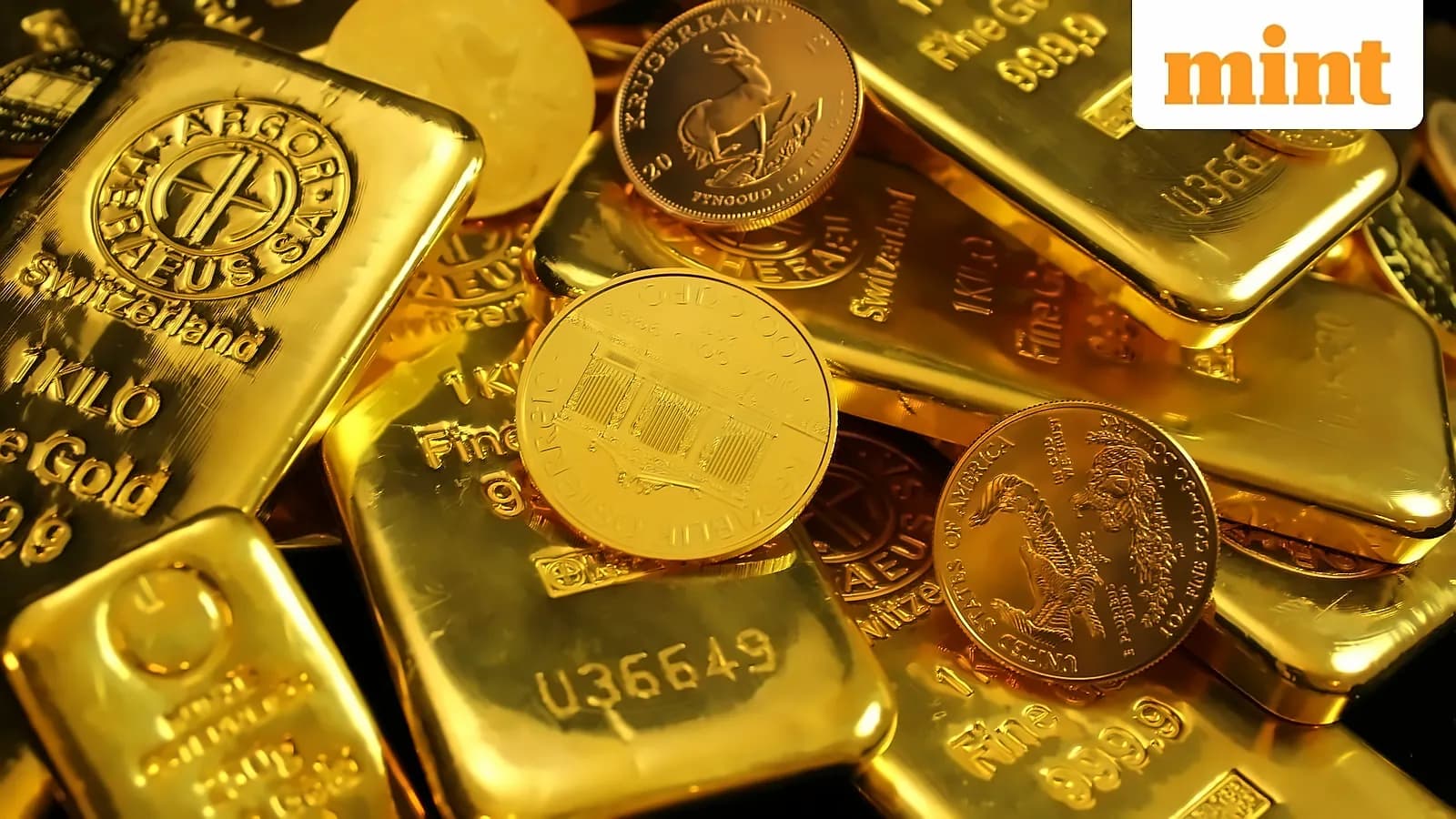
India's position in the global gold market extends far beyond consumption, with the country accounting for nearly 15% of total global gold demand at 768 tonnes and roughly 28% of global jewellery demand at 430.5 tonnes, according to World Gold Council data. Despite having little to no domestic gold mines of its own, India processes over 90% of the world's cut and polished diamonds by volume, representing approximately 25% of global diamond exports. The country's annual gold import bill typically hovers around $59 billion, making bullion one of the largest components of the nation's import balance alongside crude oil. This transformation from traditional consumer to global manufacturing powerhouse represents a fundamental shift in India's approach to precious metals trade.
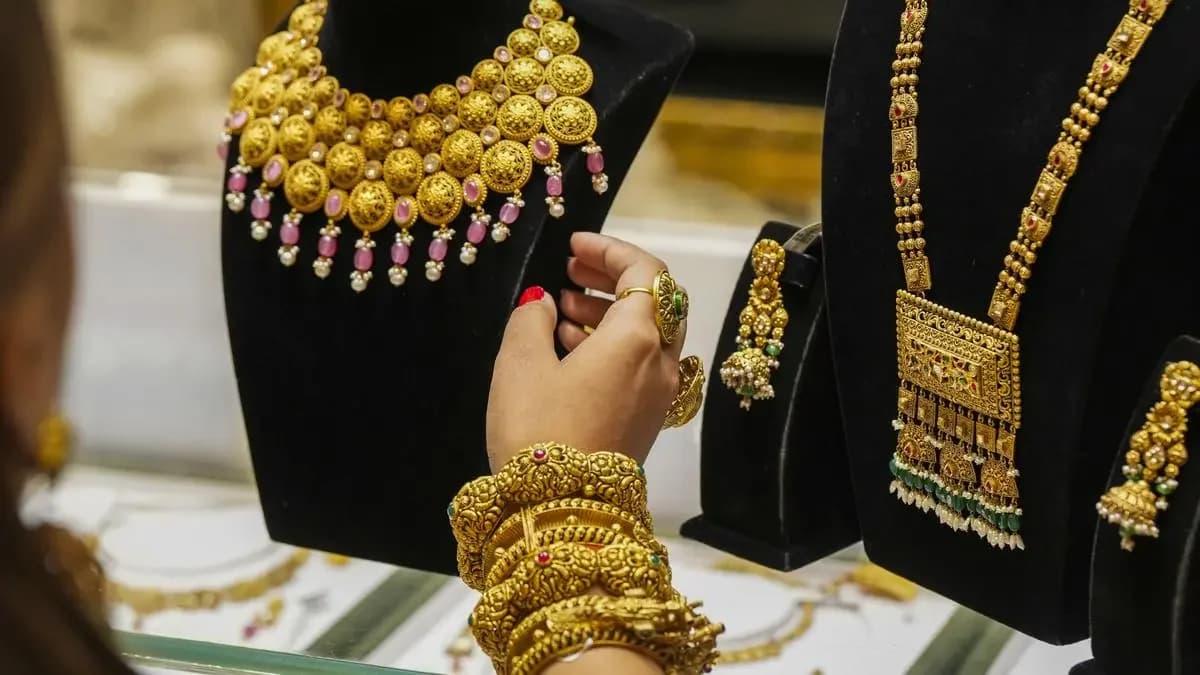
India's gems and jewellery exports reached approximately $27.71 billion in FY2026, spanning cut and polished diamonds, intricate gold and silver jewellery, and lab-grown gemstones. Traditional craftsmanship in states like Rajasthan continues to evolve with modern technology integration. Master craftsmen in Jaipur's Johari Bazaar workshops now work alongside laser soldering systems, XRF testing equipment and 3D wax printers, while maintaining traditional techniques like Kundan, Polki and Meenakari. This technological adoption enables artisans to meet strict international standards while preserving centuries-old craftsmanship. The journey of a single piece of Kundan or Polki jewellery exemplifies this transformation, where traditional artisans now combine hand techniques passed down through generations with computerised design systems to achieve both speed and precision.
The global jewellery trade is undergoing a structural shift toward digital traceability tools, blockchain verification, and international quality certifications. Indian manufacturers are actively adopting these technologies to meet modern consumer demands for ethical supply chains and verified provenance. As reported by The Hindu BusinessLine, this transformation moves the industry beyond mere compliance, turning responsible sourcing into a core selling point for global markets. The industry is also shifting from backend contract manufacturing to front-end brand building, with ambitions to build home-grown Indian houses with global retail footprints. Modern consumers no longer settle for beautifully finished rings - they demand to know where the gold was refined, whether it carries ESG credibility, and if the diamonds were ethically sourced.
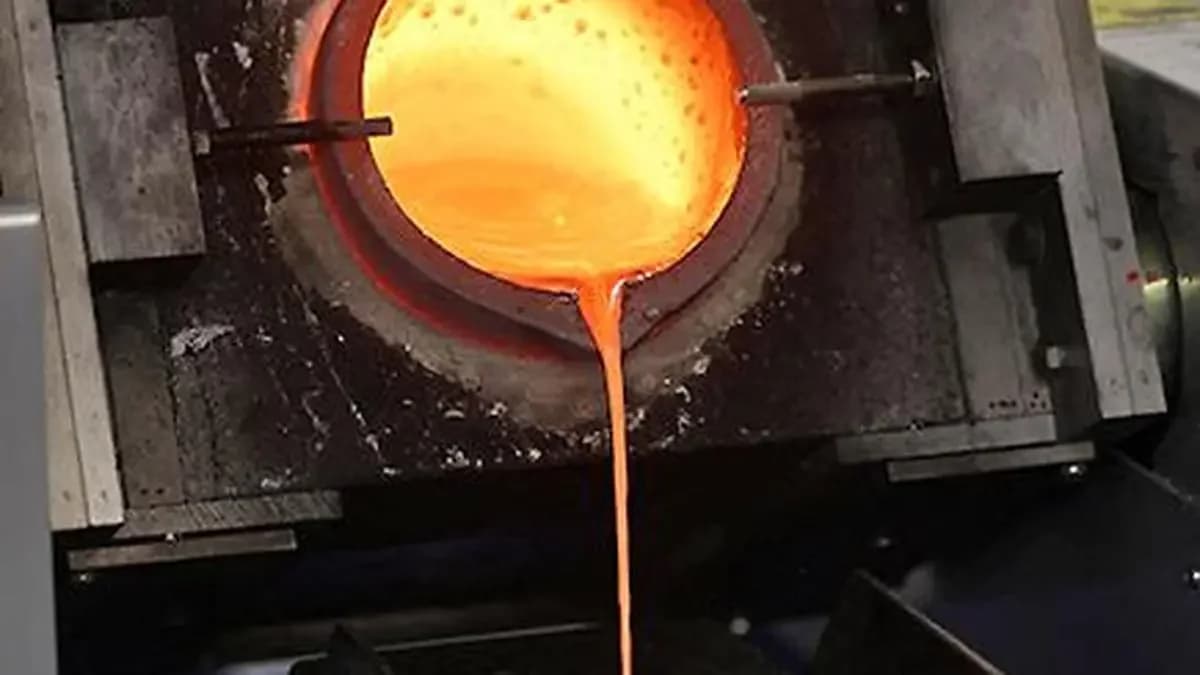
India's true competitive advantage lies in its ability to refine, cut, design, and add value to every gram of metal that enters its borders, rather than owning vast gold reserves or operating underground mines. The country's provisional gems and jewellery exports demonstrate this value-added approach, with the long-term trajectory measured by how efficiently it transforms imported raw materials into high-margin, tech-enabled, globally recognised luxury products. This strategic positioning represents a fundamental shift from treating gold as merely a consumption commodity to leveraging it as a foundation for high-value manufacturing and brand development. The real metric of success will not be measured by how many tonnes of gold India's domestic market consumes, but by how efficiently it converts imported raw materials into premium, internationally competitive products.