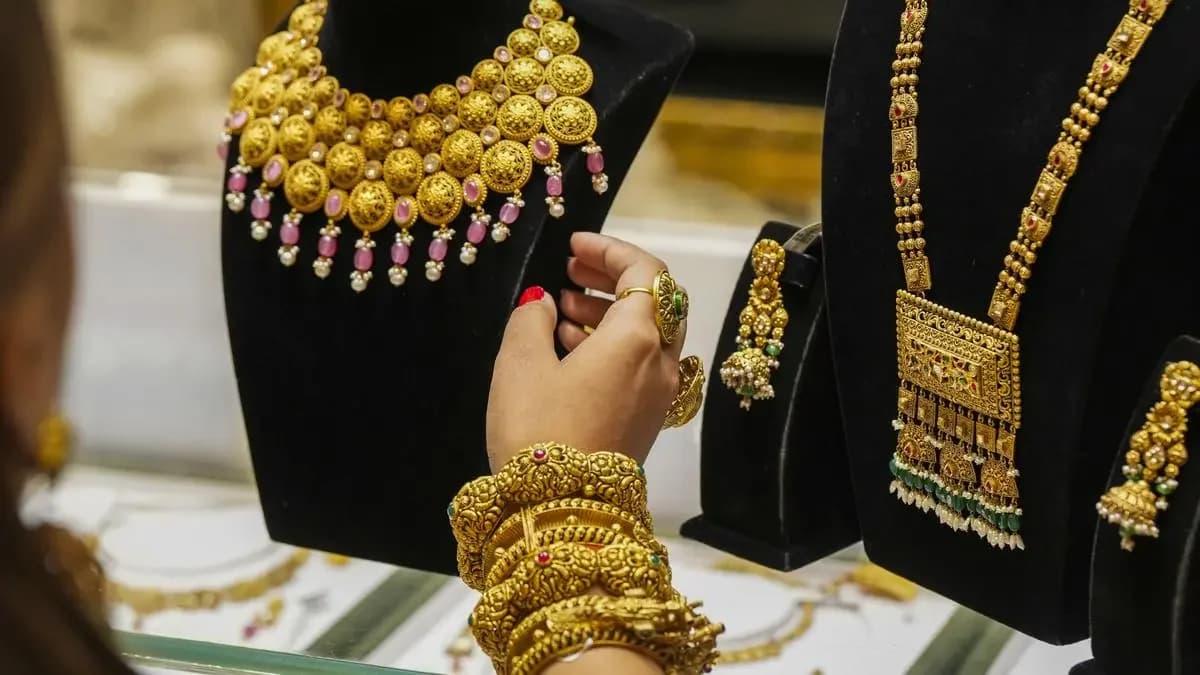
India's gold recycling sector is experiencing growing adoption despite significant cultural and awareness barriers, according to The Hindu BusinessLine. The country ranks fourth globally in gold recycling at approximately 11% of gold supply from recycled sources over the past five years, though this still lags behind global benchmarks. The gold recycling ecosystem is becoming more structured through credible players like MMTC-PAMP, who are introducing transparency, scientific testing, and trust into a traditionally informal market. These companies are replacing opaque touchstone methods with advanced German XRF technology, certified precision scales, and non-destructive purity testing, providing customers with fair valuations without damaging their gold while maintaining cultural respect for family heirlooms.
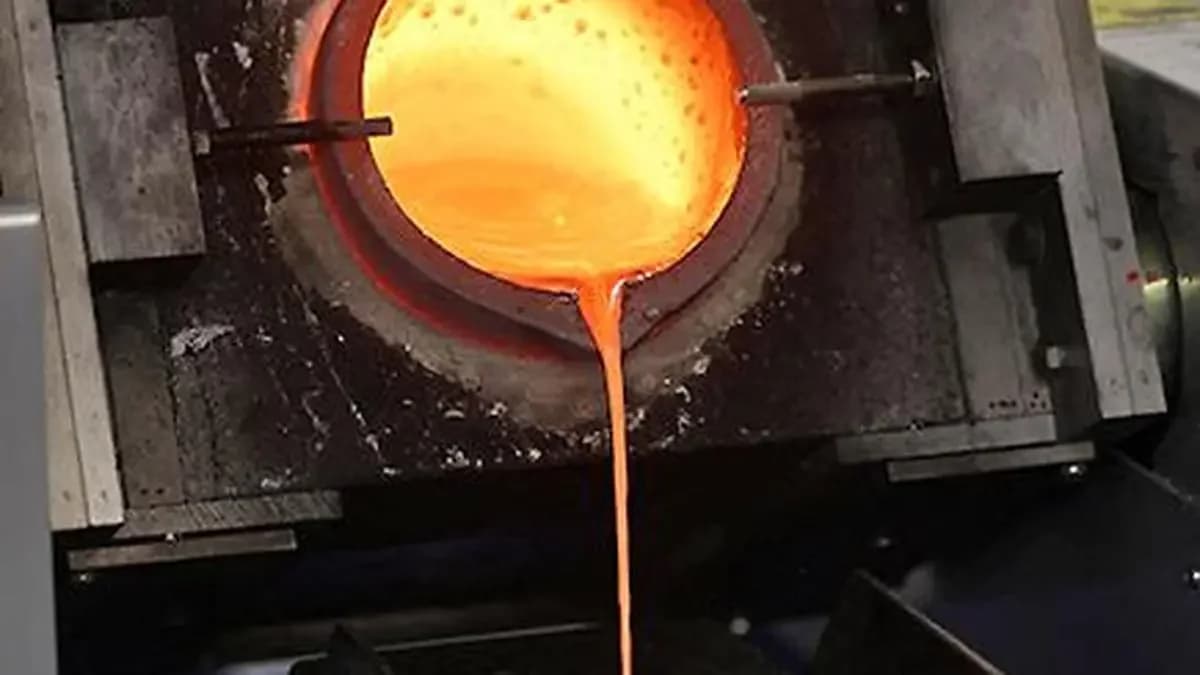
Indian households and temple trusts collectively hold approximately 30,000-32,000 tonnes of gold worth ₹3.8 trillion, according to reports from The Hindu BusinessLine. This substantial 'untapped economy' represents both cultural heritage and valuable wealth that has been accumulated over generations as heirloom money and emergency funds. Despite being the second largest consumer of gold globally, India's gold recycling remains largely undeveloped, with the country ranking fourth globally in gold recycling at approximately 11% of gold supply from recycled sources over the past five years.
The primary obstacle to gold recycling lies in India's cultural attachment to gold as a family heirloom and financial security measure. According to The Hindu BusinessLine, emotional and heirloom value often outweighs financial incentives for Indian families, particularly women who have traditionally held onto jewellery as long-term legacy assets. Limited awareness of scientific purity testing and concerns about unfair valuations continue to push consumers toward informal buyers, despite price incentives and economic benefits. The cultural roots of gold in India extend beyond commodity value, making it a family heirloom, sign of financial security, and safety net for emergencies, creating significant barriers to recycling adoption.
Gold imports remain the second-largest driver of India's import bill after crude oil, accounting for 12.3% of total imports in 2025-26, as reported by The Hindu BusinessLine. Estimates suggest that 1% annual utilization of gold from household and temple stock could reduce gold imports by 25-30%. This would ease pressure on foreign currency reserves, reduce the current account deficit, and support the government's self-reliance objectives, making gold recycling a crucial component of India's economic strategy. Gold mining is carbon-intensive, and recycling reduces the need for fresh mining while conserving resources and supporting a more circular economy.
The future of gold recycling in India will depend on balancing cultural respect with contemporary reliability systems, according to The Hindu BusinessLine. Credible players are focusing on expanding collection and purity testing centers beyond metros into tier-2 and tier-3 cities where most gold is stored. The digitization of deposit transactions and streamlining of purity evaluations will be crucial for enabling India to transition from an 'import-and-store' model to a 'circulate-and-recycle' one. This transformation will give the country a genuine opportunity to shift from an 'import-and-store' model to a 'circulate-and-recycle' one, supporting both environmental sustainability and national economic goals while reducing import dependence and supporting India's broader economic objectives.