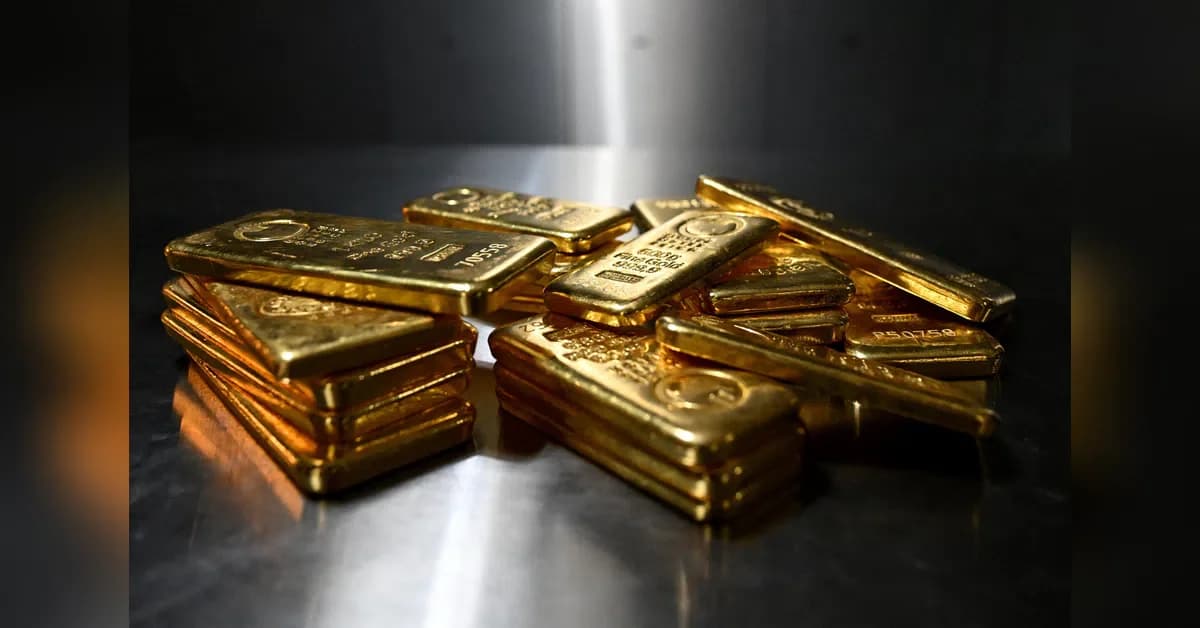
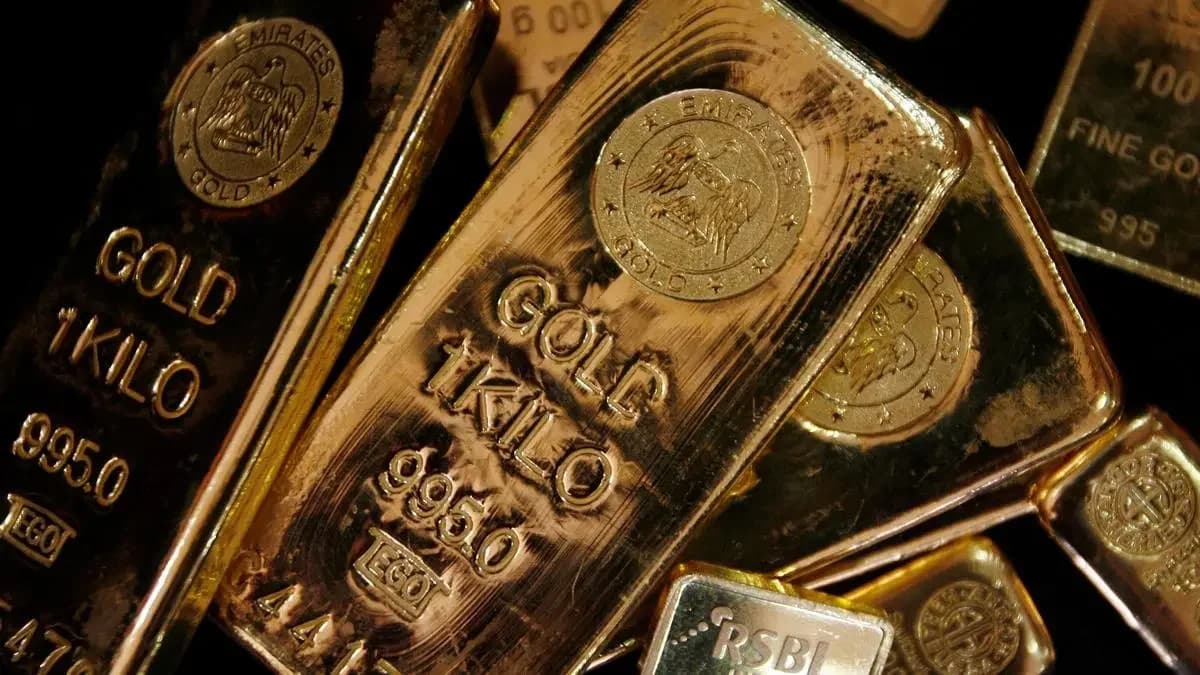
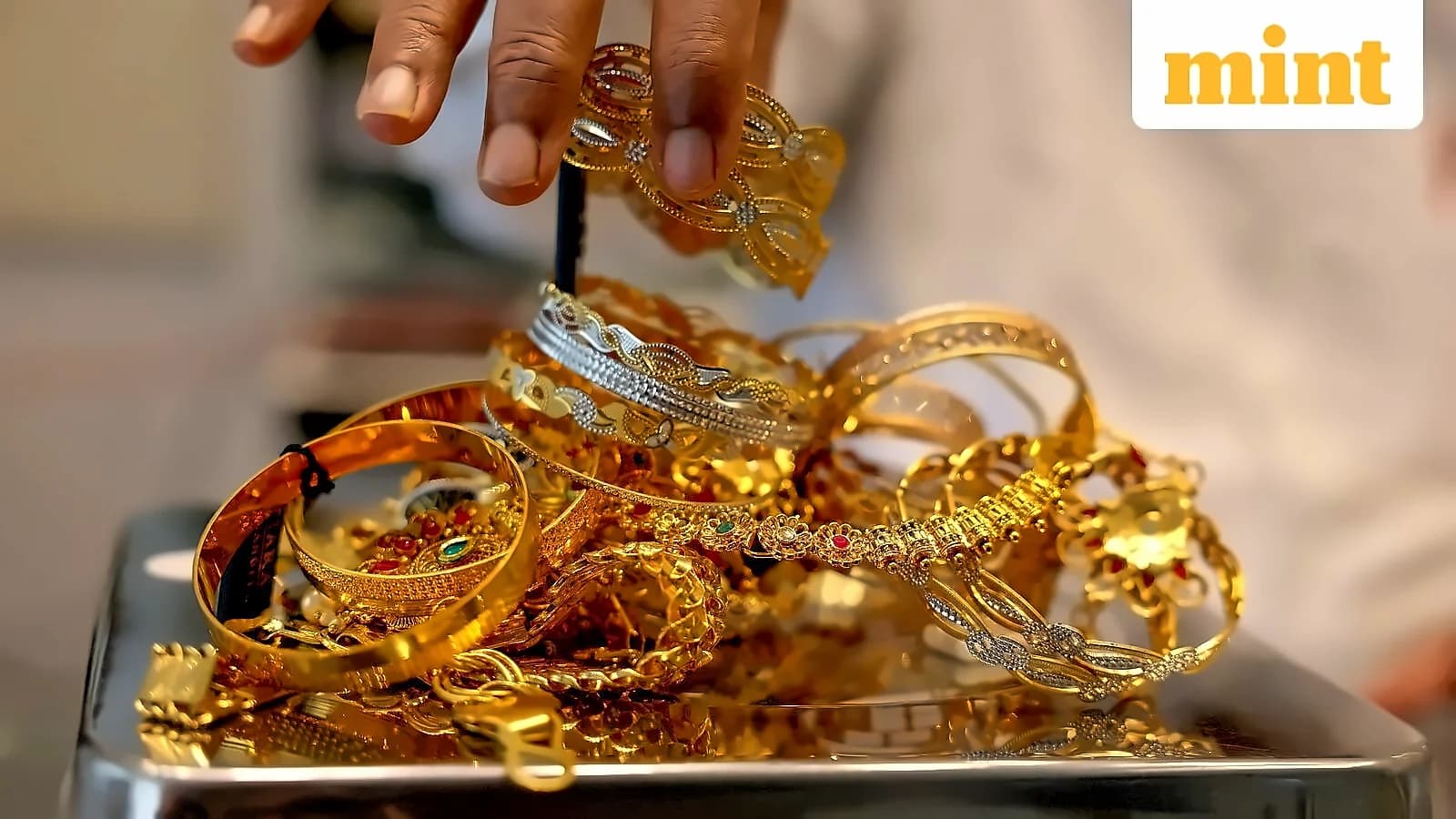
India's gold market experienced a dramatic transformation in Q1 2026, with gold demand rising 10% year-on-year to 150.6 tonnes as soaring prices pushed buyers toward investment avenues. According to the World Gold Council report released on Wednesday, April 29, 2026, gold demand value surged 99% to ₹2,27,530 crore compared to ₹1,14,600 crore in the same period last year. This structural shift reflects consumers seeking safety in gold-backed assets amid subdued equity market returns and rising uncertainty, driven by global conflict and geopolitical tensions that continue to drive safe-haven demand. Despite the volume decline, jewellery demand value rose 47% to ₹99,920 crore, indicating consumers are buying less gold jewellery by volume but spending more due to elevated prices. The total value of gold purchases nearly doubled to ₹2,27,500 crore, demonstrating the financialization of gold consumption as Indians increasingly view gold as a financial asset rather than just an ornament.
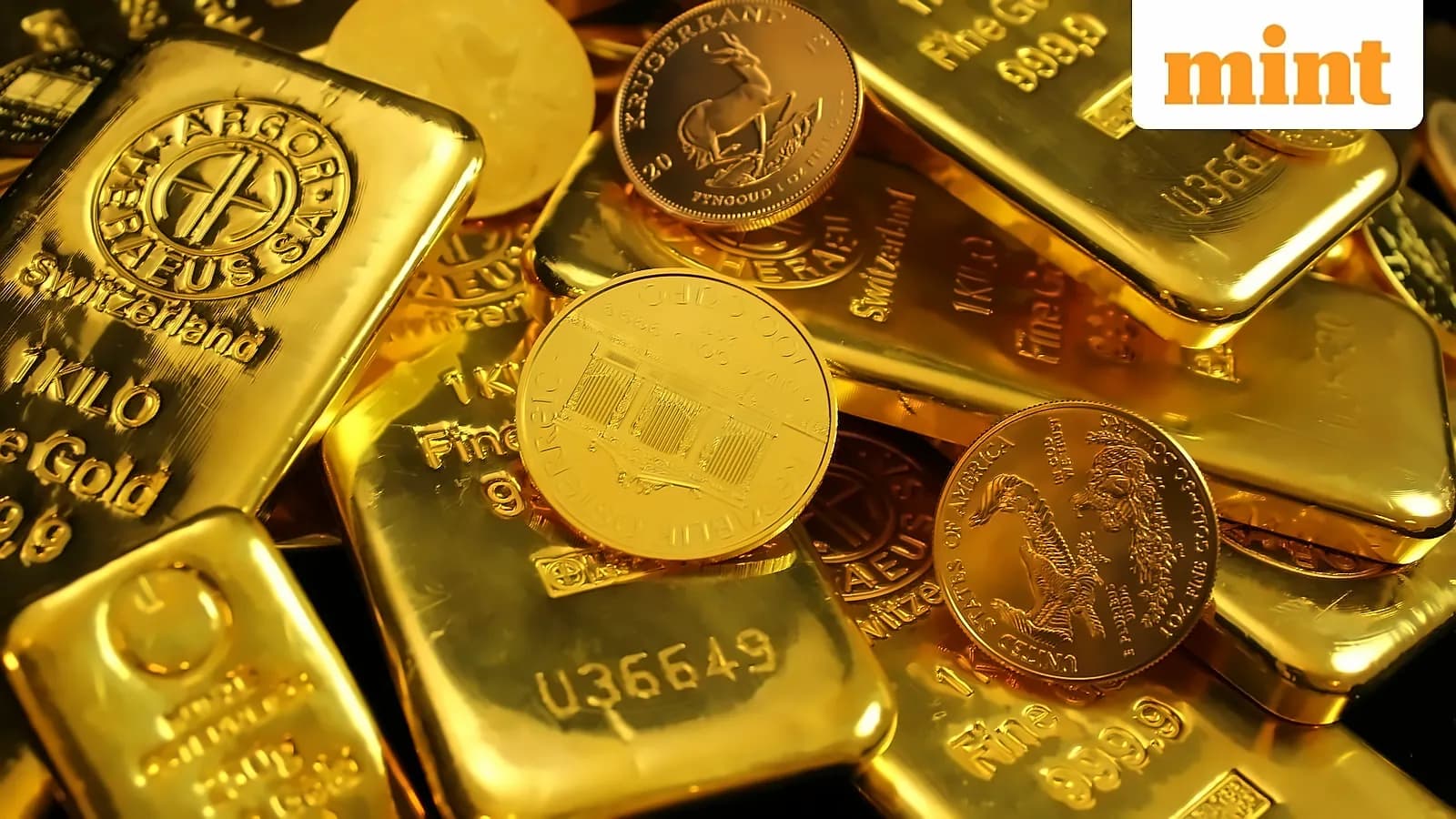
Domestic gold prices during the quarter were 81% higher compared to the same period last year, with MCX prices averaging ₹1,51,108 per 10 grams in Q1 2026-10% higher than the previous year. However, value terms remained strong, hitting a first-quarter record of ₹99,920 crore, indicating consumers are buying less gold jewellery by volume but spending more due to elevated prices. The World Gold Council noted that consumers increasingly shifted towards lighter-weight and lower-carat jewellery, with a clear divide between high-income buyers, who continued purchasing heavier items, and mass-market consumers, who reduced spending or opted for more affordable alternatives. Many buyers also moved towards bars and coins due to their lower premiums, highlighting the financialization of gold consumption. Exchange of old gold accounted for 40-60% of retail transactions, helping sustain demand despite price pressures.
Bar and coin demand jumped 34% year-on-year to 62.3 tonnes, marking the highest first-quarter level since 2013 and nearly matching jewellery consumption in volume terms. Investment demand accounted for 54.3% of total consumption during the quarter, compared to jewellery's lower share. Gold ETF inflows remained strong, with ETF demand jumping 437% to ₹30,000 crore in value terms, reaching a record high. Bar and coin demand value surged 142% to ₹94,130 crore, demonstrating the shift toward higher-value investment products. Traditionally, investment demand contributes only about one-fourth of India's total gold consumption, underlining the scale of this shift. Gold bars, coins, and ETFs demand surged 54%, totaling 82 tonnes for the quarter, as investors rushed in fearing even higher rates in the future.
Despite overall volume declines, leading jewellers reported revenue growth of 32% to 124% year-on-year, driven by higher ticket sizes and increased traction in plain gold jewellery and coin sales. Store expansion continued even amid supply disruptions, with retailers adding new outlets. However, jewellery's share in total gold demand dropped to 44%, overtaken by investment demand, signalling a clear shift in consumption trends. The trend underscores gold's expanding role as both a store of value and financial asset supporting household liquidity, with strong price momentum, geopolitical risks and limited alternative investment options likely to sustain demand for bars, coins and ETFs. High prices have made price-sensitive buyers cautious, but investors are rushing in, reflecting the shift toward gold as a safe haven asset amid global economic shifts and regional tensions.
India's trend mirrors a broader global pattern, with worldwide jewellery consumption declining 23% to 299.7 tonnes - the lowest level since pandemic-hit Q2 2020. However, total global gold demand surged 74% to a record $193 billion, driven by investment demand with bar and coin buying reaching 474 tonnes. China led the surge with bar and coin demand jumping 67% to 206.9 tonnes, while central banks continued accumulating gold with net purchases rising 3% to 244 tonnes. Global gold demand rose 2% in volume to 1,231 tonnes, but analysts expect these factors to remain dominant through 2026, supporting continued central bank buying, ETF inflows, and retail investment in bars and coins, though ETF demand may not match 2025 levels if interest rates remain elevated. The World Gold Council maintains a robust outlook for 2026, estimating total demand to settle between 650 and 750 tonnes.