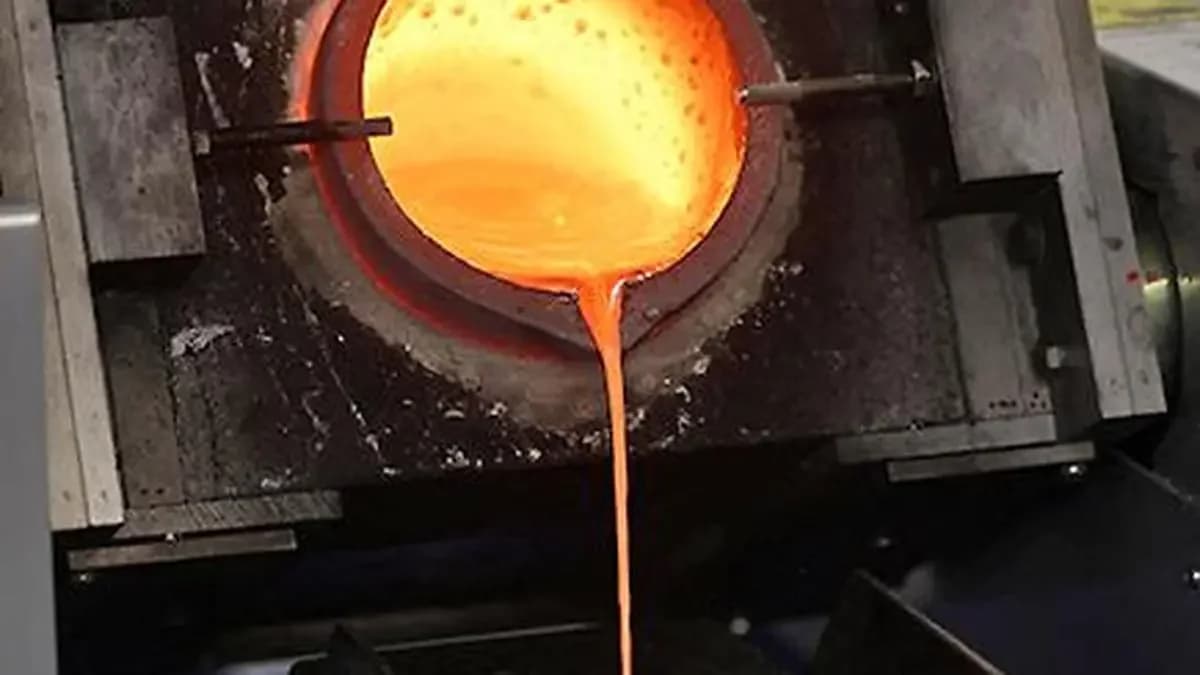
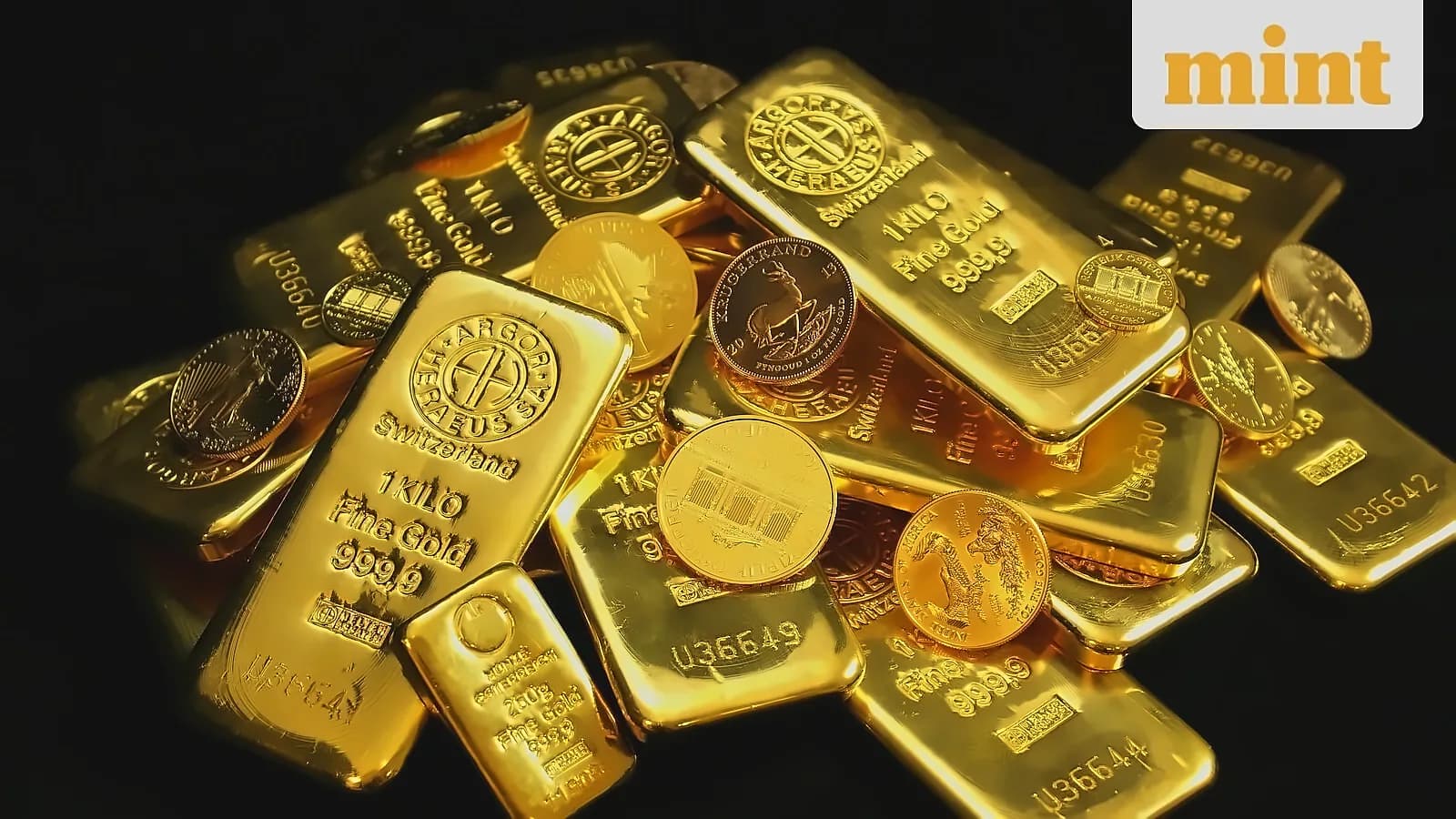
India's gold recycling market is experiencing significant expansion as rising prices drive households to exchange old jewellery. According to the World Gold Council's Gold Demand Trends report, India's net recycling or scrap supply rose 20% year-on-year and 44% quarter-on-quarter to 31.2 tonnes in the first quarter of 2026. As reported by Business Standard, the sharp rise in gold prices, higher import duties and focus on reducing import dependence are accelerating old-gold exchange and recycling activities. Large jewellery retailers are promoting gold-exchange schemes, with customers exchanging ornaments they are bored with or pieces damaged by wear and tear.
The gold exchange process involves jewellers first assessing purity using methods such as X-ray fluorescence (XRF) testing or melting tests, followed by weighing after removing stones, enamel, pearls and other non-gold elements. According to Business Standard, after purity and net weight are established, the prevailing gold rate is applied after adjusting for impurities, stones, wastage or making charges. However, exchanging old jewellery involves significant value destruction, as customers do not recover original making charges and lose sentimental value when heirloom pieces are exchanged or melted. Disputes may arise over purity assessment and deductions, especially if jewellers find jewellery to be of lower caratage than expected.
Customers should verify their old jewellery's purity before exchange, knowing whether it is 916 (22 carat), 750 (18 carat) or 585 (14 carat). As reported by Business Standard, customers should exchange gold only with reputed and organised jewellers that use transparent testing methods, insisting on purity testing in their presence through XRF testing. Customers can also get independent assessments done at Bureau of Indian Standards (BIS)-authorised assaying and hallmarking centres, which test purity and weight for ₹35 to ₹200 per article. Private laboratories also offer XRF testing, with an independent certificate allowing customers to approach multiple jewellers and compare rates.
Jewellers make deductions for stones, pearls, enamel and other non-gold elements, with the most important deduction being for purity if jewellery is found to be of lower caratage than expected. According to Business Standard, stones, diamonds, meenakari work, beads and mixed metals are rarely valued fairly in old-gold exchange, with standard practice being to value only gold weight and ignore stones entirely. Customers should separate all stones before exchanging jewellery, with diamonds assessed by gemmologists and coloured stones taken to gem testing laboratories first. Private laboratories offer XRF testing services for independent verification.
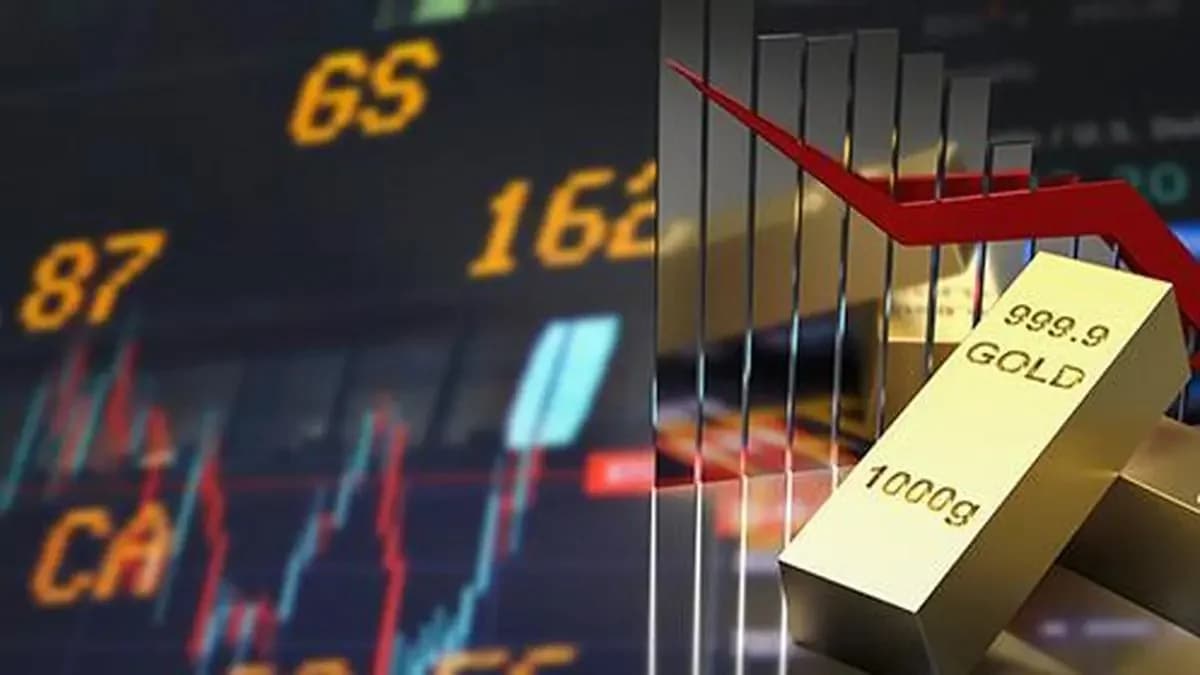
Customers should compare jewellers' rates with prevailing 24-carat market gold rates quoted through Multi Commodity Exchange (MCX) prices or leading bullion associations, since most jewellery in India is 22 carat. As reported by Business Standard, customers should evaluate overall transaction value, not just headline exchange rates, as some retailers may offer higher rates but compensate through elevated making charges on new purchases. Proper documentation includes written receipts with customer details, date and item description, gross weight, net gold weight and declared purity recorded, with all deductions itemised separately and melting loss shown as separate line items.