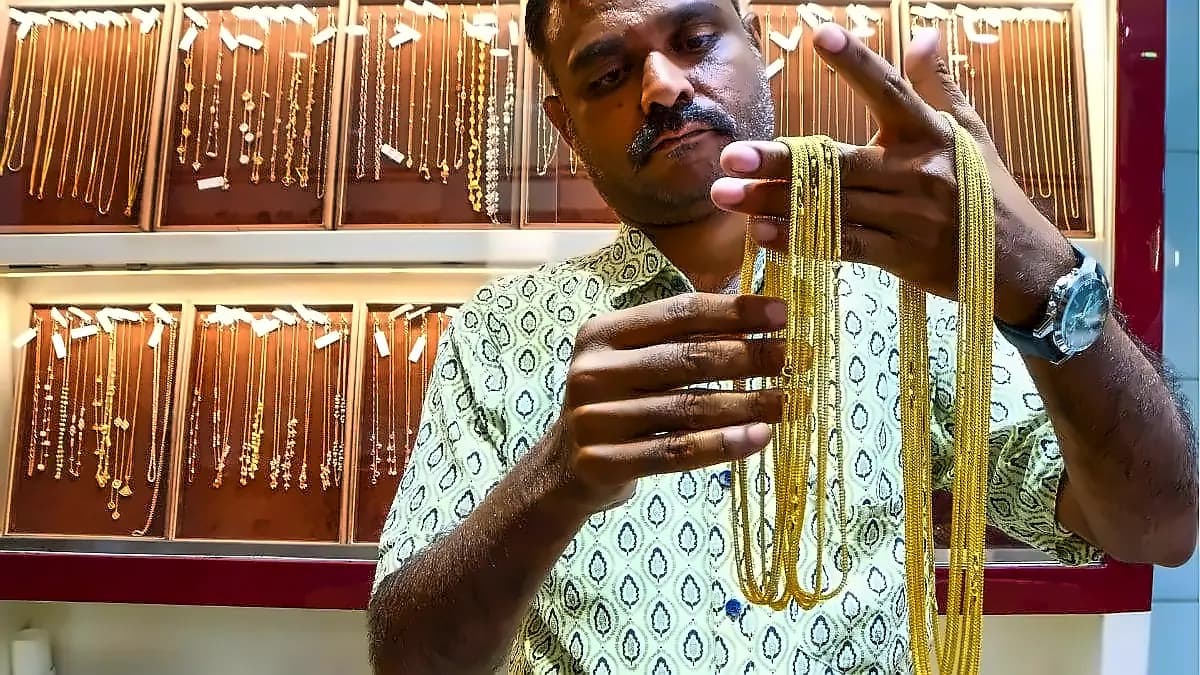
India's gold imports reached an all-time high of $71.98 billion in 2025-26, marking a 24% increase from the previous year's $58 billion. According to reports from The Hindu BusinessLine, this surge comes despite a 4.76% decline in physical volumes to 721.03 tonnes from 757.09 tonnes in 2024-25. The precious metal accounts for over 9% of India's total imports, which reached $775 billion in 2025-26. India maintains its position as the world's second-biggest gold consumer after China, with imports largely driven by the jewellery industry. As per The Hindu BusinessLine, the rise in imports has pushed the country's trade deficit to $333.2 billion during 2025-26, while the current account deficit rose to $13.2 billion or 1.3% of GDP in the December quarter from $11.3 billion in the previous year.
The dramatic increase in gold imports is primarily attributed to rising prices, which climbed from $76,617.48 per kg in FY25 to $99,825.38 per kg in FY26. As reported by The Hindu BusinessLine, gold prices in the national capital are currently hovering around ₹1.5 lakh per 10 grams, having crossed ₹1 lakh for the first time in April last year. The higher imports have significantly impacted India's trade deficit, which reached $333.2 billion during 2025-26, while the current account deficit rose to $13.2 billion or 1.3% of GDP in the December quarter from $11.3 billion in the previous year. According to The Hindu BusinessLine, some traders were trying to use the India-Asean FTA to make a quick buck by exploiting duty differentials and circumventing tariffs.
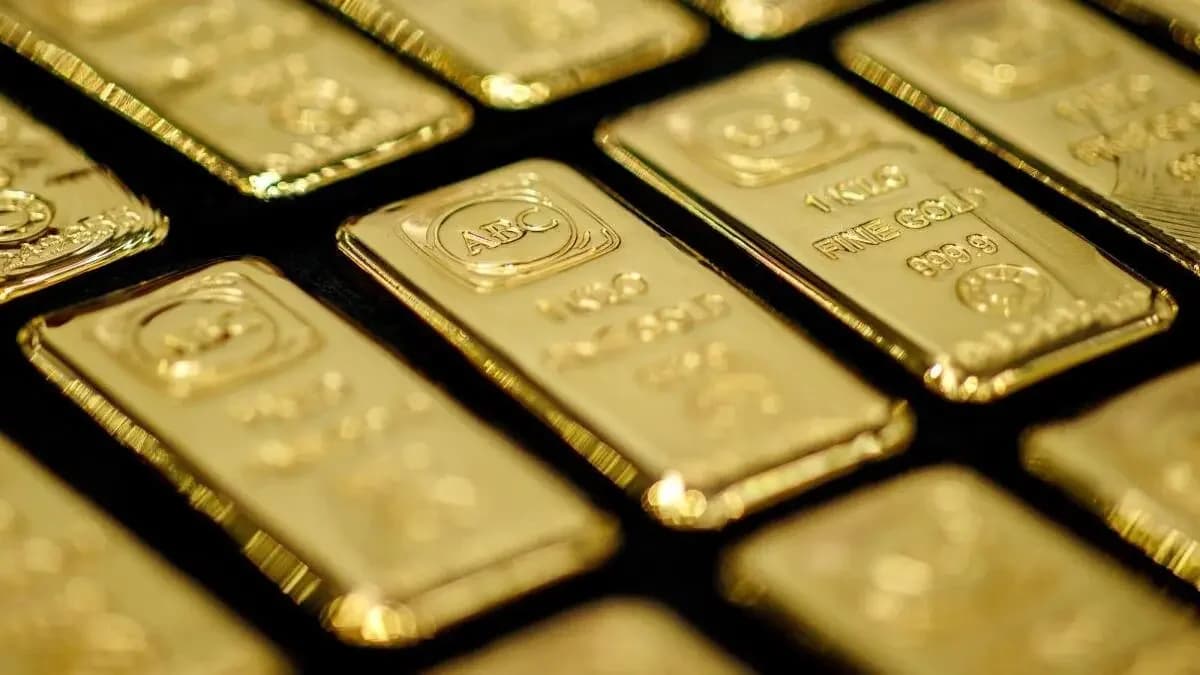
The India-UAE Comprehensive Economic Partnership Agreement (CEPA), which came into force in May 2022, has significantly influenced import patterns. According to The Hindu BusinessLine, under the agreement, India allows gold imports from the UAE at tariffs one percentage point lower than normal duties through a Tariff Rate Quota system. The quota started at 120 tonnes annually and will rise to 200 tonnes from 2027, covering nearly 25% of India's gold imports. The benefit became even bigger after India cut normal gold import duty from 15% to 6% in the 2024 Budget, as reported by GTRI Founder Ajay Srivastava. As a result, gold imported from Dubai effectively entered India at only 5% duty. India's gold bar imports from the UAE surged from $2.9 billion in 2022 to $6.7 billion in 2023 and further to $16.5 billion in 2025. Dubai's share in India's gold imports increased from 7.9% before the FTA to 28% in 2025. However, experts note concerns as the UAE neither mines gold nor carries out major processing activity, with much of the trade appearing to involve routing gold from third countries through Dubai to benefit from lower Indian tariffs.
To address the surge in gold imports, the government has implemented several measures including import curbs on all forms of gold, silver and platinum articles. As reported by The Hindu BusinessLine, India hiked gold import duty to 15% from 10.75% in 2022 to check the current account deficit, though it was reduced to 6% in the 2024-25 Budget to boost the domestic gems and jewellery industry. The think tank GTRI has recommended tighter origin rules, review of precious metal concessions under FTAs, and exclusion of gold, silver, platinum, and diamonds from future trade agreements to protect India's trade balance and foreign exchange reserves. Prime Minister Narendra Modi has called for judicious use of fuel, postponement of gold purchases, and foreign travel to strengthen the economy amid West Asian tensions. According to The Hindu BusinessLine, some traders were trying to use the India-Asean FTA to make a quick buck by exploiting duty differentials and circumventing tariffs.
Switzerland remains the largest source of gold imports for India with approximately 40% share, followed by the UAE with over 16% and South Africa with about 10%. According to The Hindu BusinessLine, total merchandise imports from Switzerland rose 11.36% to $24.27 billion during 2025-26. The precious metal accounts for over 9% of India's total imports, which reached $775 billion in 2025-26. India is the world's second-biggest gold consumer after China, with imports largely driven by the jewellery industry. Traditionally seen as a safe-haven asset during periods of geopolitical uncertainty, gold demand in India tends to surge when global risks rise.