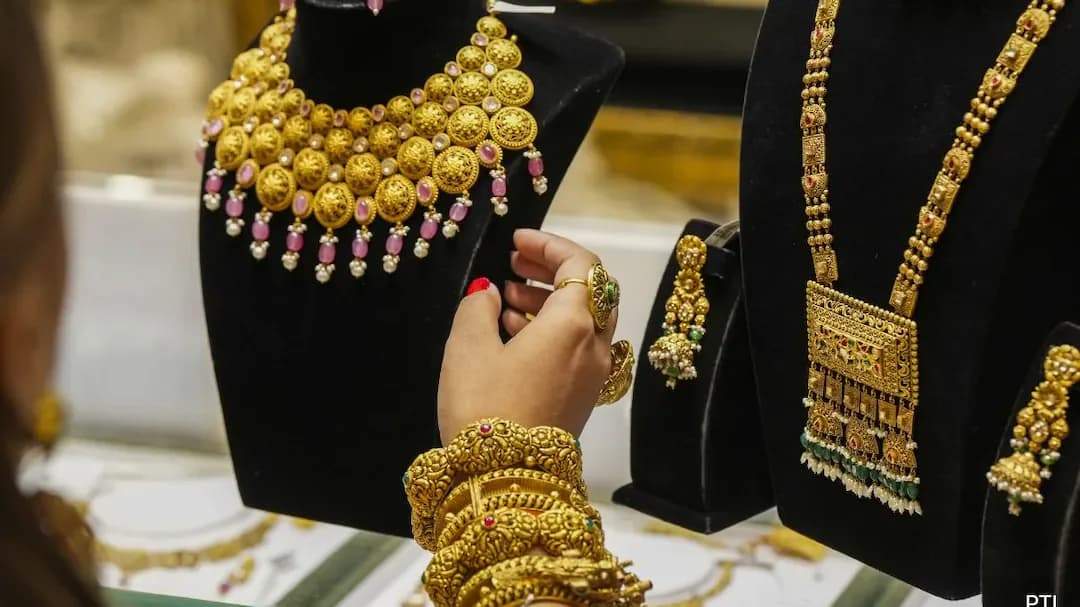
India's gold demand in the June quarter declined 6% to 131.4 tonnes as volatile prices forced consumers to postpone their jewellery purchases, according to the World Gold Council report released on Thursday. However, spending on gold reached a record ₹1.98 lakh crore during the quarter, representing a 50% increase compared to ₹1.32 lakh crore in the same period last year. As reported by the World Gold Council, Sachin Jain, Regional CEO-India, noted that while demand fell in tonnage terms, it remained higher in value, indicating consumers were buying gold within their budgets as prices declined from recent highs. The latest data shows consumers increasingly shifted towards lighter-weight jewellery, lower-carat products and exchange-led purchases to manage affordability, while investment demand remained supported by gold's appeal as a store of value. Jain expressed concern about a rise in grey marketing after the duty hike, noting reports of illicit gold already making its way into these markets, stating "We think smuggling and illicit gold making way into the market is the biggest risk to the industry, and we are already getting reports on this."
Jewellery demand experienced a significant 15% decline to 75.1 tonnes from 88.8 tonnes in the previous year, as reported by the World Gold Council. According to the report, bars and coins demand increased 9% to 50.3 tonnes with value reaching ₹75,700 crore compared to ₹43,700 crore last year. Investment demand, comprising bars, coins and exchange-traded funds (ETFs), eased to 54 tonnes from an average of about 100 tonnes over the previous three quarters, but remained above the long-term quarterly average of 49 tonnes. Indian Gold ETFs attracted 4.2 tonnes of net inflows despite global outflows, demonstrating continued domestic investor interest. The World Gold Council estimates India's full-year gold demand at 650-750 tonnes for 2026, with investment expected to remain the principal driver supported by over-the-counter activity and Asian buying. Jain noted that these trends reinforce gold's growing appeal not only as a traditional store of wealth but also as a strategic investment that provides stability and diversification in an increasingly uncertain economic environment.
The decline came after Prime Minister Narendra Modi, in May, urged citizens to curb non-essential gold purchases and consider alternative savings avenues to help reduce pressure on the country's foreign exchange reserves amid rising import costs driven by volatile crude oil prices. "I would appeal to people not to buy gold for weddings for one year," PM Modi said in May amid the ongoing global crisis because of Middle East tensions. The month-long inauspicious period from mid-May to mid-June, combined with a 9% import duty hike, contributed to the demand weakness. Despite recent declines, gold prices remained 59% higher at ₹1.51 lakh per 10 grams compared to ₹94,877 in the same period last year. The average gold price in the second quarter was USD 4,506.3 an ounce in comparison to USD 3,280.4 in the corresponding period of 2025. Looking ahead, Jain expects the festive and wedding season to support demand, stating "While elevated prices may continue to influence buying patterns, Indian consumers have consistently demonstrated their ability to adapt." The World Gold Council expects demand to stay in the middle of the 650-750 tonnes range for the year, with potential to reach the upper end if there is more correction in gold prices and customs duty reduction.
Gold supply fell to a six-year low of 120 tonnes in the June quarter, well below the 16-year average of 234 tonnes, according to the World Gold Council report. Net bullion imports, which dominate the supply mix, declined 22% year-on-year to 98.1 tonnes compared to 127.4 tonnes in the corresponding period of 2025. The steady store expansion amid falling demand led to increased inventory levels at jewellers, reaching a high of 21 tonnes in Q2 compared to the 13-year average of 15 tonnes. Despite domestic gold prices being about 60% higher year-on-year, consumers showed limited appetite to sell, preferring gold loans over liquidation. The World Gold Council noted that despite the decline, supply remained adequate to meet prevailing demand, supported by elevated industry inventories and recycled gold availability. Total gold recycled in India in the April-June quarter declined by 17% to 19.2 tonnes, compared to 23.1 tonnes in the same period last year.
RBI gold holdings remained steady at 880 tonnes since mid-2025, but the share of gold in total reserves increased from 12% to 16%, driven by the 70% rise in gold prices. Net recycling volumes fell to 19 tonnes, down 17% year-on-year, marking the lowest level in eleven quarters. Globally, total gold demand remained broadly unchanged at 1,269 tonnes in the second quarter, taking first-half demand 2% higher year-on-year to 2,522 tonnes, valued at a record USD 380 billion. Central banks added a net 289 tonnes to their reserves, up 62% from a year earlier, while investment in gold ETFs, bars and coins moderated as gold prices eased from record highs. Louise Street, Senior Markets Analyst at the World Gold Council, noted that "For the second half of 2026, investment is likely to drive growth... Central banks will remain significant buyers, albeit at a slightly slower pace than we've seen over the last four years. High prices will keep pressure on jewellery volumes." The World Gold Council expects investment to remain the principal driver of global gold demand through the rest of the year, supported by over-the-counter activity and Asian buying, while mine production and recycling are likely to see only modest growth. Market experts note that upcoming RBI Monetary Policy decisions and US Fed policy decisions will play crucial roles in defining precious metal performance.