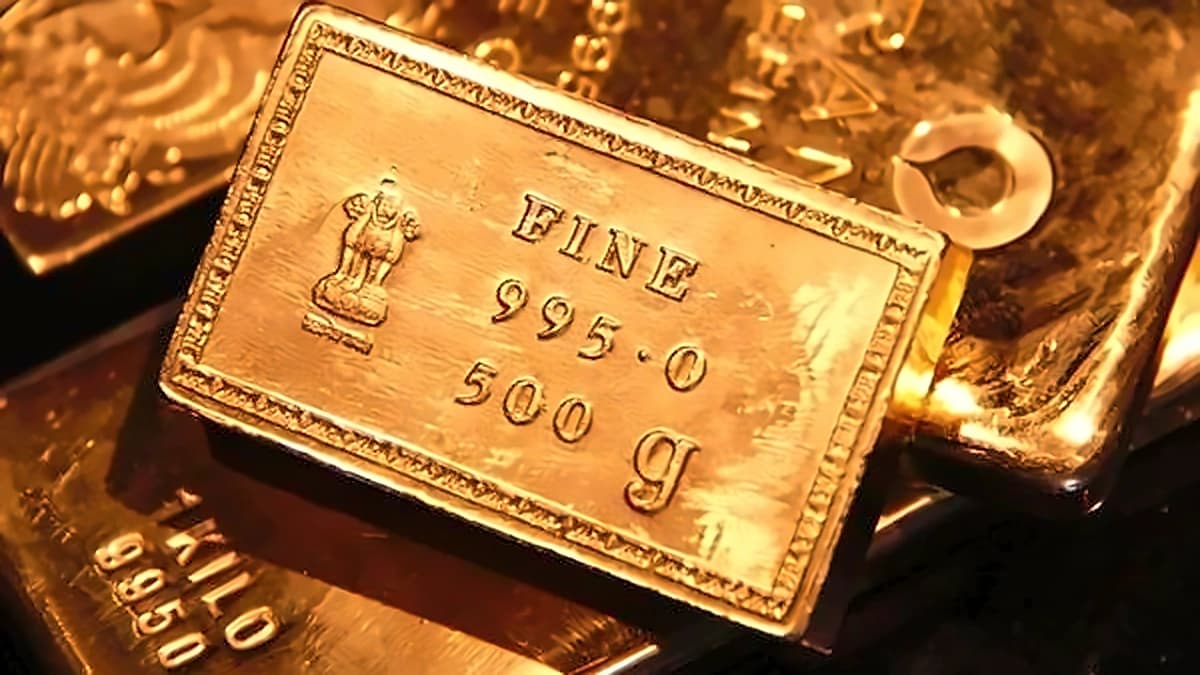
Anindya Banerjee, Head of Commodity and Currency Research at Kotak Securities, provided crucial insights on how the recent gold and silver import duty hike will affect different types of demand. According to Mint, gold prices have immediately increased to align with import parity, making gold approximately ₹27,000 per 10 grams costlier. However, Banerjee emphasized that investment demand won't be affected as it's directly proportional to price increases, while jewellery demand will be impacted as consumption demand is indirectly proportional to upward price movements. The expert noted that over a period of 6-7 months, if gold prices remain stable, jewellery demand may slowly improve.

India is one of the world's second-largest consumers of gold, purchasing approximately 700 to 800 tonnes annually. According to reports, more than 90% of this demand is met through imports, making India a major contributor to global gold trade. The country spends billions of dollars annually on gold imports alone, with gold serving not just as jewellery but as tradition, investment, and savings rolled into one. The metal plays a central role in weddings, festivals, and conventional financial planning across the country.
If people cut back on non-essential gold purchases or if buying saw a sharp decline over a year, the most immediate impact would be on India's import bill. As reported by experts, a 50% reduction in gold imports could save the country up to $30 billion in foreign exchange. Fewer dollars flowing out would ease pressure on the current account deficit and provide some relief to the rupee. However, Banerjee noted that the real wild card as far as effects are concerned are oil import bill, gas import bill, and fertiliser, suggesting these factors may have greater impact on foreign reserves than gold imports alone.
India's foreign exchange reserves stood at around $700 billion as of April 2026. The country's annual gold import bill has reached approximately $60 billion, making gold one of the single largest drains on foreign reserves. According to reports, a 10% reduction in gold purchases could save $5 to $6 billion, while a 25% cut could save around $15 billion, and a 75% reduction could save as much as $44 billion in foreign exchange. This represents a significant opportunity to strengthen India's reserve position amid current economic pressures.
India's stock market witnessed heavy volatility following PM Narendra Modi's recent appeal urging citizens to reduce unnecessary gold purchases, save fuel, avoid excessive foreign travel, and even consider work-from-home systems again amid rising global tensions. The statement sparked major discussions across the country and triggered panic among investors, leading to a sharp fall in the Sensex and broader market sentiment. As per Aadii Insights, the market reaction reflects growing concerns about India's economic preparedness for potential global economic instability and rising fuel prices.