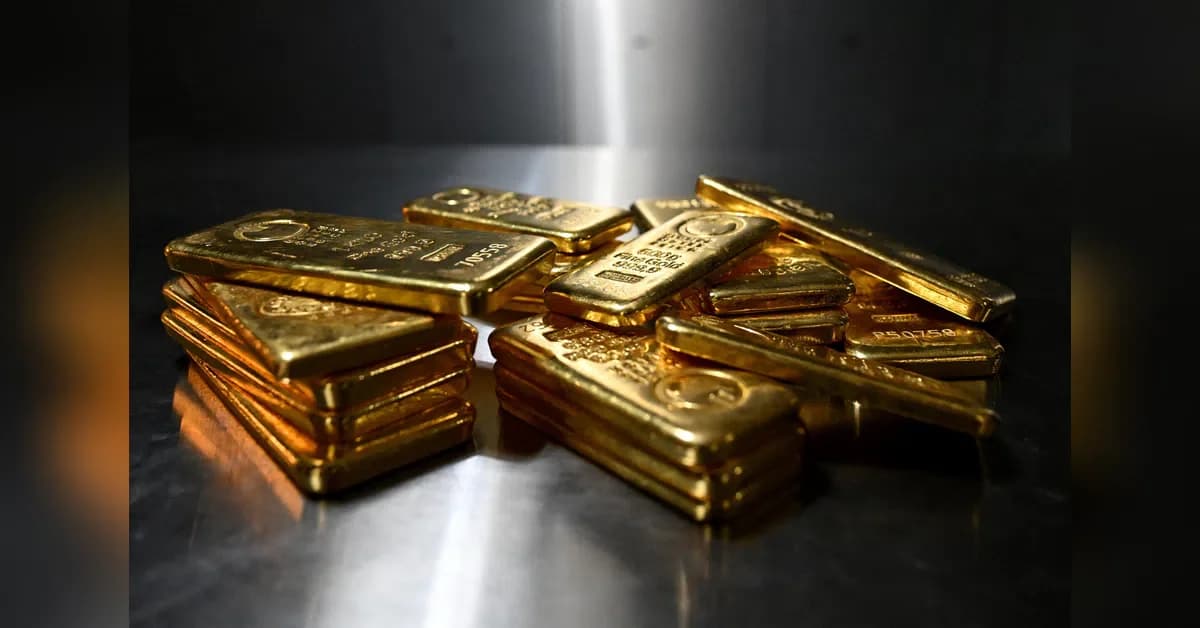
India's gold imports have experienced a dramatic 70% decline to 25-30 tonnes following the implementation of increased customs duties. According to a senior government official, this represents a significant reduction from the previous 75-100 tonnes imported in the same period. The duty increase was implemented effective May 13, 2026, with the government raising the basic customs duty on gold and silver to 15% from 6%, along with a 5% Agriculture Infrastructure and Development Cess (AIDC), taking the effective import duty to 15% from 6%. As per the official, the higher landed cost has discouraged fresh imports while encouraging jewellers and consumers to opt for recycled gold, demonstrating the immediate impact of the policy change.
Despite the volume decline, India's gold imports showed a 34% year-on-year increase in value terms, reaching $3.41 billion in May 2026, according to trade data released by the ministry of commerce. This surge was primarily driven by higher prices of the precious metal rather than increased import volumes. The combination of reduced volumes and higher prices created a significant impact on the overall import value, with the precious metal accounting for over 5% of the country's total imports. India, the world's second-biggest gold consumer after China, continues to be driven by jewellery industry demand, which involves substantial foreign exchange outflows. According to the Global Trade Research Initiative (GTRI), the duty hike appeared to have moderated the pace of growth in imports but had not significantly curbed demand.
The latest data shows continued strong import activity in the current financial year. According to official reports, during April-May 2026-27, gold imports surged 60.14% to $9.04 billion. As per trade data, gold imports stood at around $5.63 billion in April 2026, before falling to about $3.41 billion in May 2026 after the duty hike. This follows the record-breaking performance in the last financial year, where gold imports rose 24% to hit an all-time high of $71.98 billion, though volume-wise imports actually dipped 4.76% to 721.03 tonnes. The uncertainties in West Asia are expected to balloon India's import bill, making the government's focus on prioritizing forex expenditure towards essential imports like crude oil, fertilizers, industrial raw materials and capital goods that directly support economic activity and food security particularly relevant.
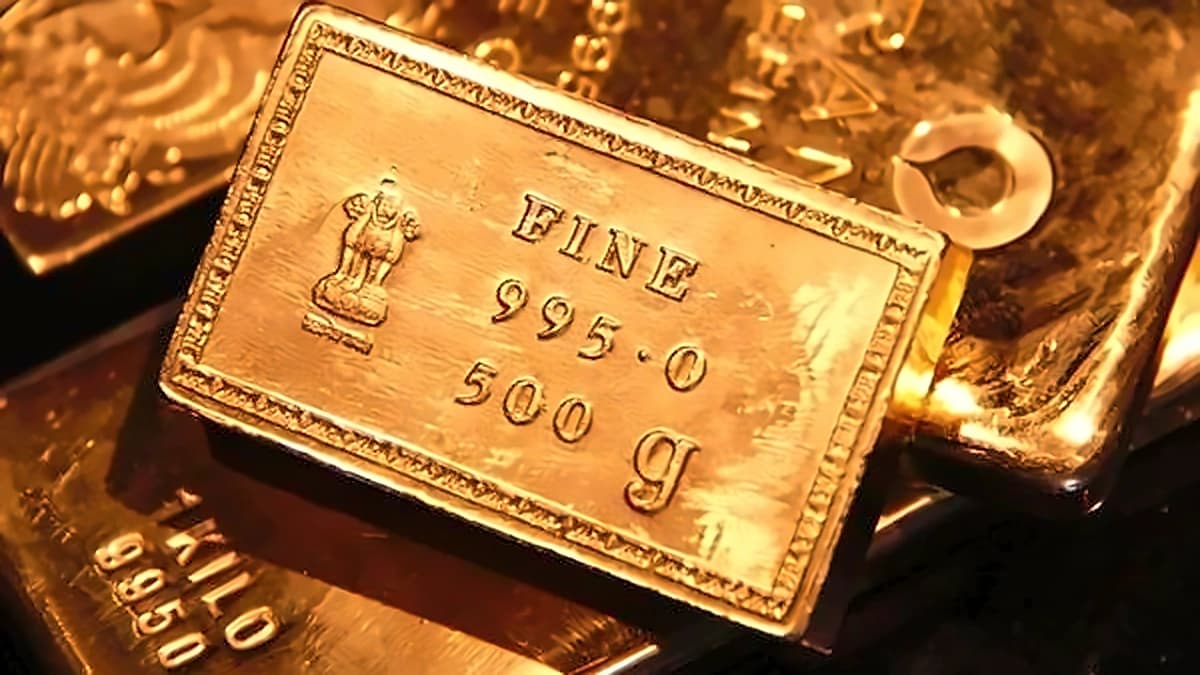
The duty hike aligns with Prime Minister Narendra Modi's call for curbing gold purchases and adopting austerity measures to reduce avoidable foreign exchange expenditure. As reported by officials, the government aims to reduce foreign exchange outflow and prioritise essential imports including crude oil, fertilizers, industrial raw materials and capital goods that directly support economic activity and food security. The precious metal's substantial impact on India's import bill, combined with current geopolitical uncertainties in West Asia, has made this policy intervention strategically necessary for managing the country's forex expenditure priorities. According to the Global Trade Research Initiative, strong jewellery consumption, safe-haven demand amid global uncertainty and elevated international gold prices have continued to support imports, with the report noting that while growth in imports slowed after the duty increase, continued strong demand could keep pressure on India's trade deficit and foreign exchange outflows.