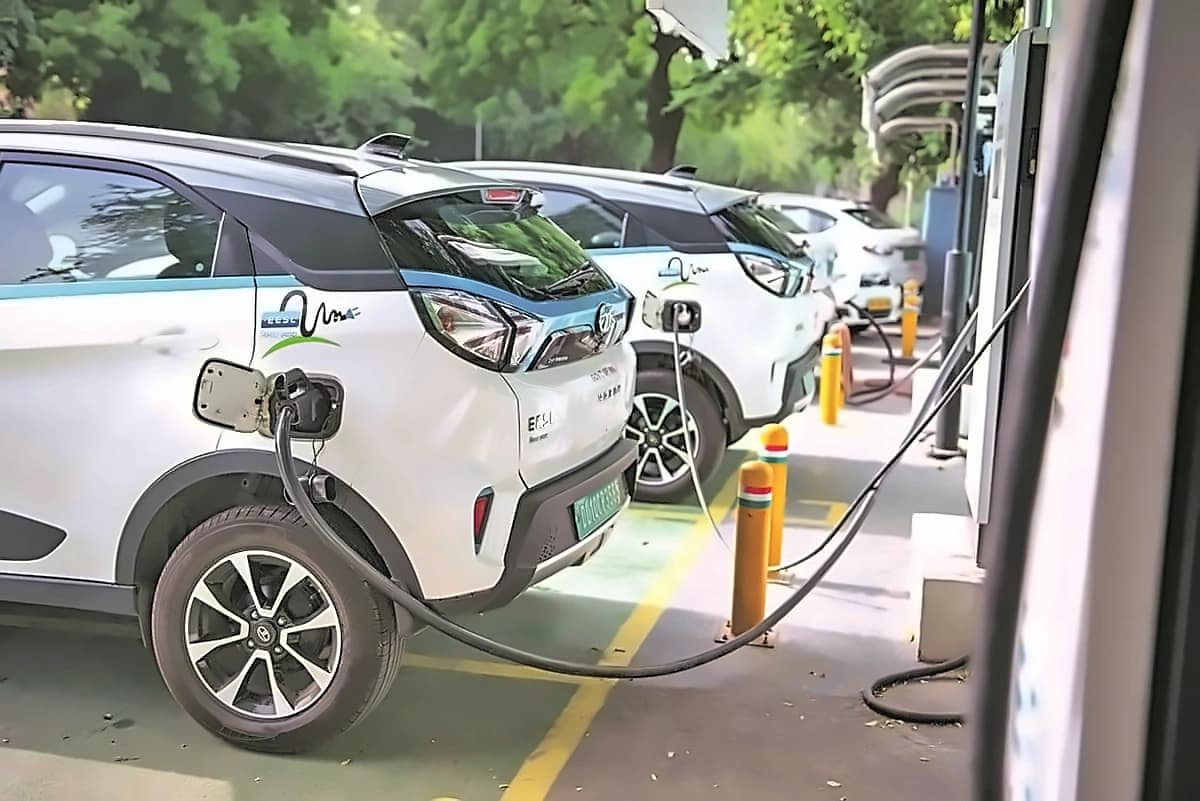
India's road-fuel demand will continue rising until 2034 despite accelerating electric vehicle adoption, according to BloombergNEF's India Electric Vehicle Outlook 2026. As reported by Business Standard, fuel demand from road transport will peak at more than 2.5 million barrels a day in eight years before gradually declining. This sustained growth is attributed to a growing vehicle fleet and heavier use by commercial transport, which will sustain the country's appetite for oil in the near term.
Despite significant progress, electric vehicle adoption faces substantial challenges in meeting India's electrification targets. According to BloombergNEF's projections reported by Business Standard, EV sales reached more than 2.4 million units last year, but only three-wheelers are currently on track to meet India's 2030 electrification targets. The transition will require a major expansion of charging infrastructure, with BloombergNEF estimating that about $29 billion of investment will be needed by 2040.
India's extended fuel demand growth could significantly influence global oil markets beyond its borders. As reported by Business Standard, with eight more years of growth ahead, India's fuel demand could sustain global oil demand for longer than China's trend alone would suggest. This comes as global emissions are growing far more slowly than they did a decade ago, though they have yet to peak, according to this year's Global Carbon Budget. China, which accounts for about a third of the world's annual emissions, is on course to cut them this year.
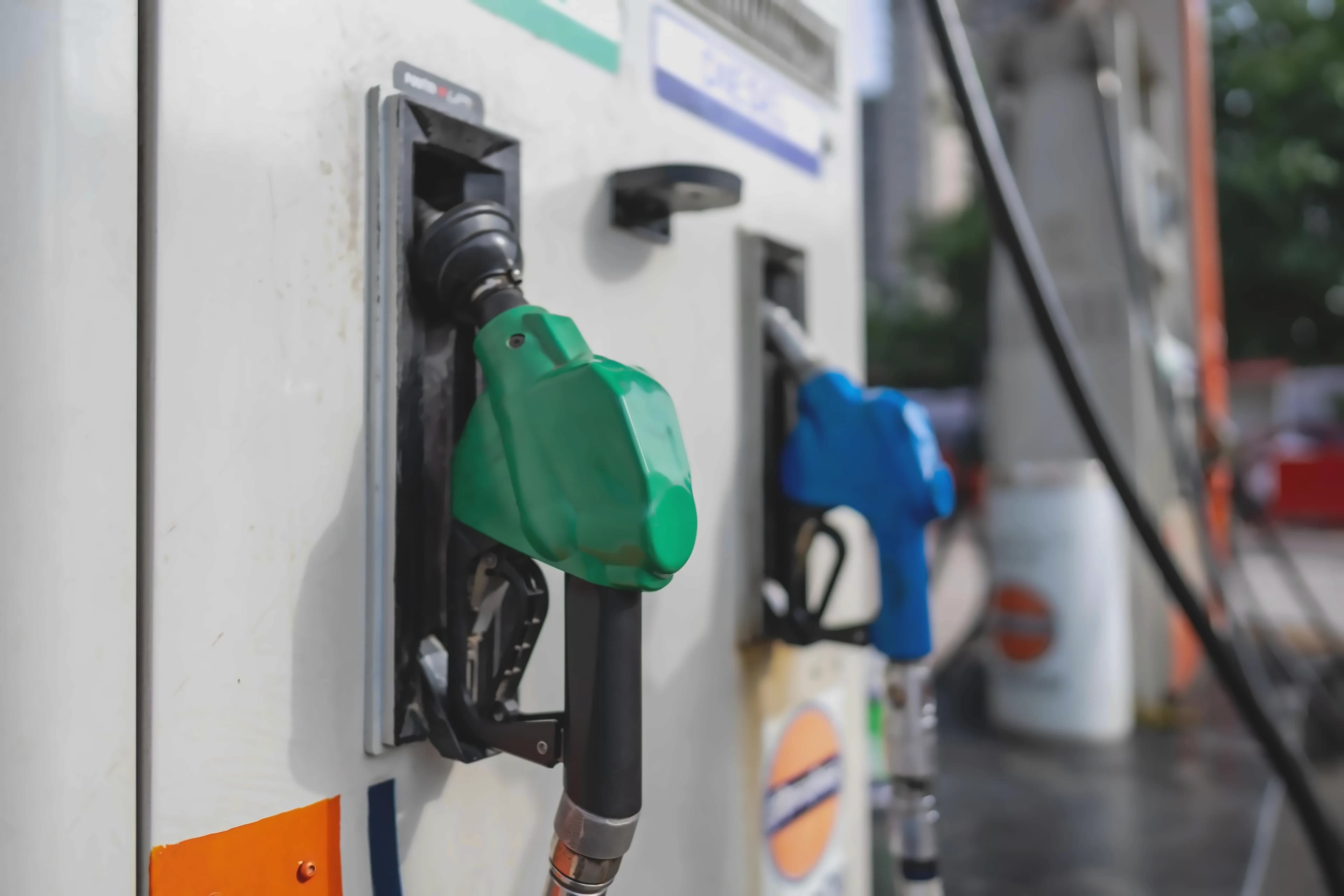
The outlook reflects a complex balance between traditional fuel consumption and emerging electric mobility trends. According to BloombergNEF's analysis reported by Business Standard, over time, rising adoption of electric two-wheelers, three-wheelers and passenger cars is expected to outweigh growth in commercial-vehicle consumption and push overall demand lower. This gradual transition suggests that while India's fuel demand will remain robust until 2034, the long-term trajectory will be influenced by the pace of EV adoption across different vehicle segments.