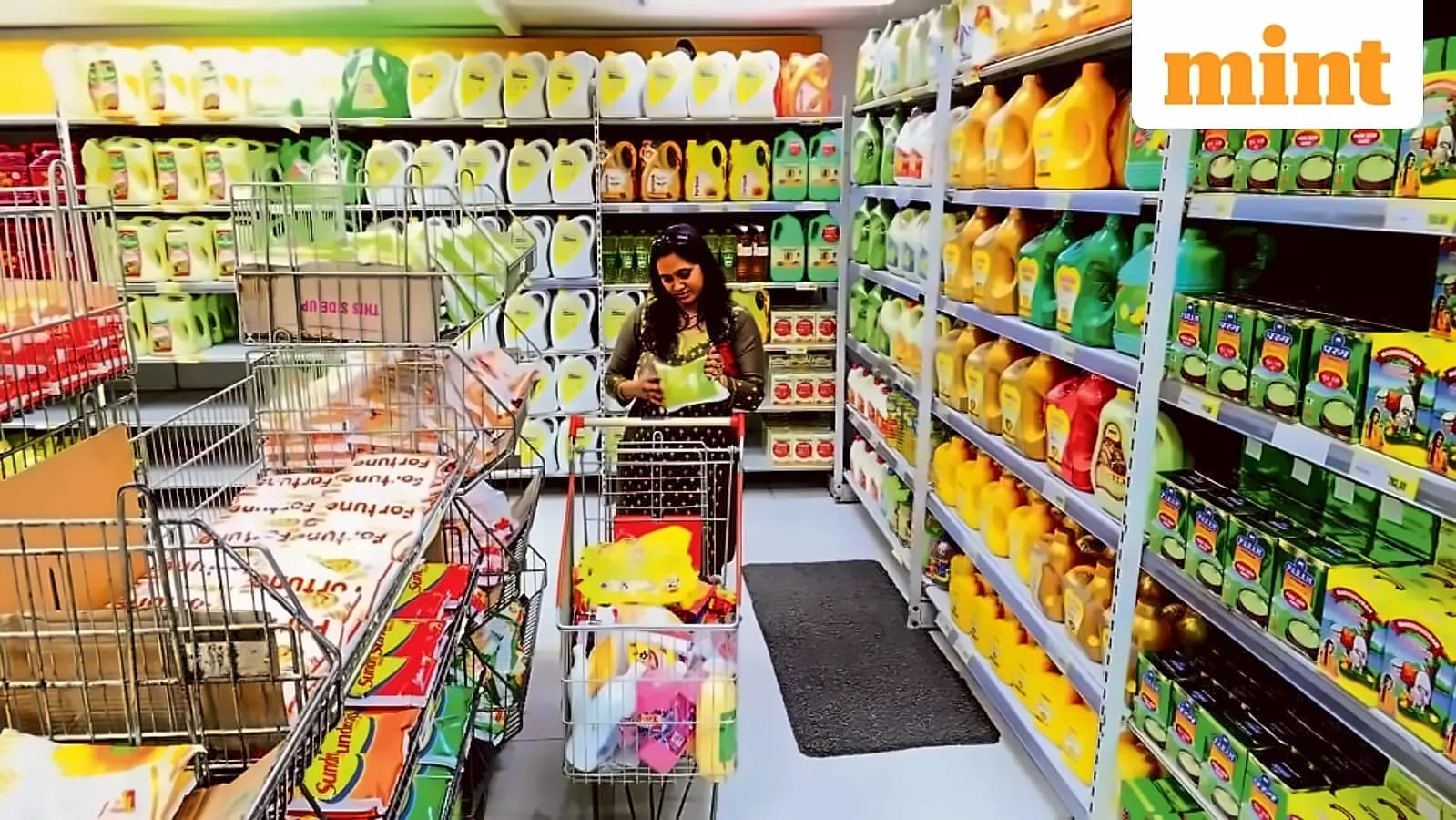
India's edible oil imports rose 3% to 166.51 lakh tonnes in the 2025-26 fiscal year, driven largely by a sharp surge in duty-free shipments from Nepal, according to the Solvent Extractors' Association of India (SEA). Imports had stood at 161.82 lakh tonnes in the prior fiscal year. Nepal, which enjoys zero-duty access to Indian markets under the South Asian Free Trade Area (SAFTA) agreement, exported 7.36 lakh tonnes of edible oils to India during the year, more than double the 3.45 lakh tonnes shipped in the previous fiscal, representing an 113% increase. Refined soybean oil made up the bulk of Nepal's exports to India, with smaller volumes of sunflower oil, RBD Palmolein and rapeseed oil also traded. As per Rediff Moneynews, the surge in duty-free imports of refined oils from Nepal substantially contributed to the increase in India's total edible oil imports during the year.
India's edible oil consumption has reached 22-24 kilogrammes per capita annually, representing a threefold increase over the past two-and-a-half decades from 8.2 kg in 2001. According to industry reports cited by Business Standard, western states including Gujarat, Maharashtra, Rajasthan, Punjab, and Haryana report the highest consumption levels of 22-30 kg per person annually, driven by higher incomes and dietary preferences for oil-rich foods. In contrast, eastern states such as Bihar and Jharkhand, along with parts of the Northeast, consume around 10-12 kg per capita annually due to lower purchasing power. Southern states traditionally consume around 17-18 kg per person annually.

The import surge has been compounded by significant increases in supply chain costs. As reported by Business Standard, freight charges from Brazil and Argentina have risen from around $80 per tonne to nearly $150 per tonne, while shipping costs from Malaysia have climbed sharply. Freight rates from the Black Sea region have nearly doubled due to geopolitical tensions and disruptions in global trade routes, particularly the Strait of Hormuz. On a fiscal year basis in FY26, India's edible oil imports rose 3% to 16.65 million tonnes, up from 16.18 million tonnes, driven largely by duty-free imports from Nepal. Industry officials warn that all these cost increases get passed on to consumers.
India remains heavily dependent on overseas supplies, with domestic production meeting only around 40% of total edible oil requirements. According to SEA, low oilseed yields, fragmented landholdings, limited irrigation and a policy tilt toward wheat and rice cultivation have constrained domestic output growth. The association called for steps to boost oilseed productivity and encourage domestic value addition to reduce long-term import reliance. Without the SAFTA arrangement, overall imports would likely have fallen short of the previous year's level despite rising domestic demand, even as higher international prices and a weaker rupee against the dollar increased import costs. As per Rediff Moneynews, the association also flagged Prime Minister Narendra Modi's recent appeal for consumers to moderate edible oil consumption, saying that curbing excess use alongside raising domestic output would help lower import dependence and ease pressure on foreign exchange reserves.
Industry executives identify substantial untapped potential in alternative edible oil sources to reduce import dependence. According to Business Standard reports, rice bran alone can produce nearly 1.8 million tonnes of oil, with current production much lower and output capacity to increase by 300,000-400,000 tonnes. Cottonseed oil production can also increase substantially due to existing raw material availability. However, industry officials caution that rising crude oil prices and higher fuel costs could add further pressure on food inflation. Market participants expect edible oil prices to remain elevated over the next few months unless geopolitical tensions ease significantly.