India is considering cutting import duties on vegetable oils to contain rising domestic prices and ease food inflation ahead of the festive season, according to Reuters reports citing two government and two industry sources. The potential policy change comes as vegetable oil prices have risen nearly 20% over the past year, raising concerns as demand typically picks up during the September-November festive period. As per Reuters, one of the government sources indicated the government was seeking to shield consumers while protecting farmers' interests. A government spokesperson did not immediately respond to a request for comment from Reuters.
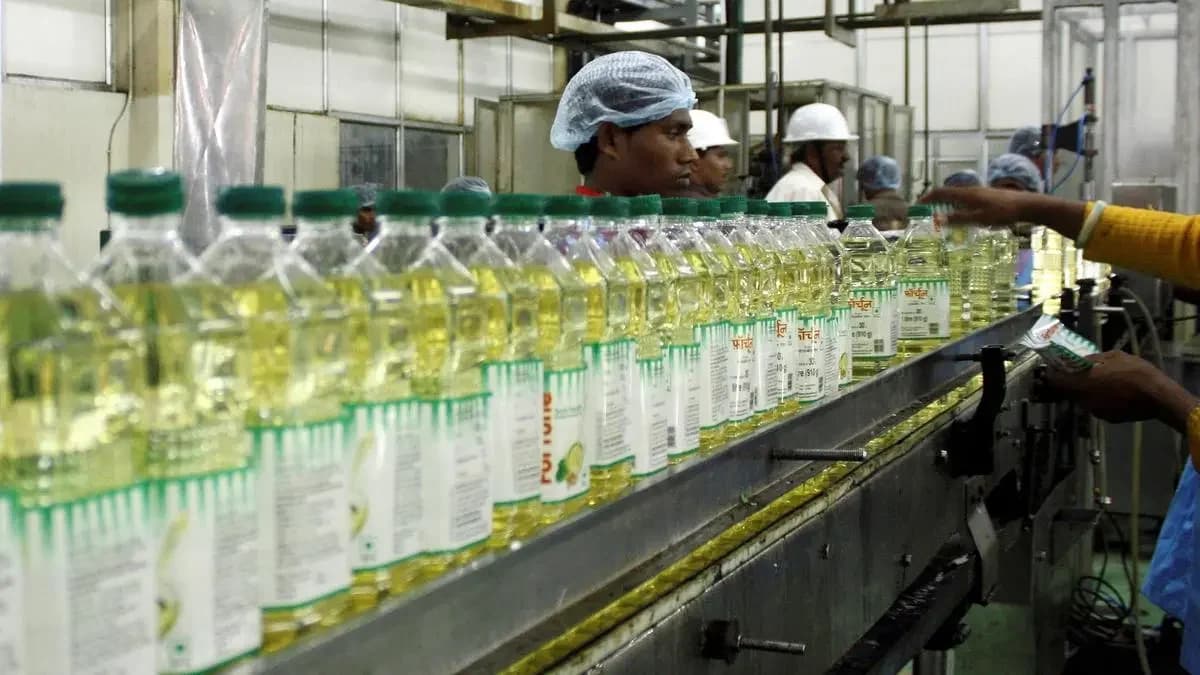
Lower import duties could bring down domestic prices and encourage consumption of edible oils used in sweets, snacks and fried foods, as reported by Reuters. The timing is particularly significant as India, the world's biggest vegetable oil importer, meets nearly two-thirds of its demand through imports. Key imported varieties include palm oil, soyoil and sunflower oil, with supplies coming mainly from Malaysia, Indonesia, Argentina, Russia and Ukraine. According to Reuters, a measure that would lower their prices is likely to increase consumption as households mark festivals from September to November with traditional treats. The peak demand festival season is getting under way as households prepare for celebrations.
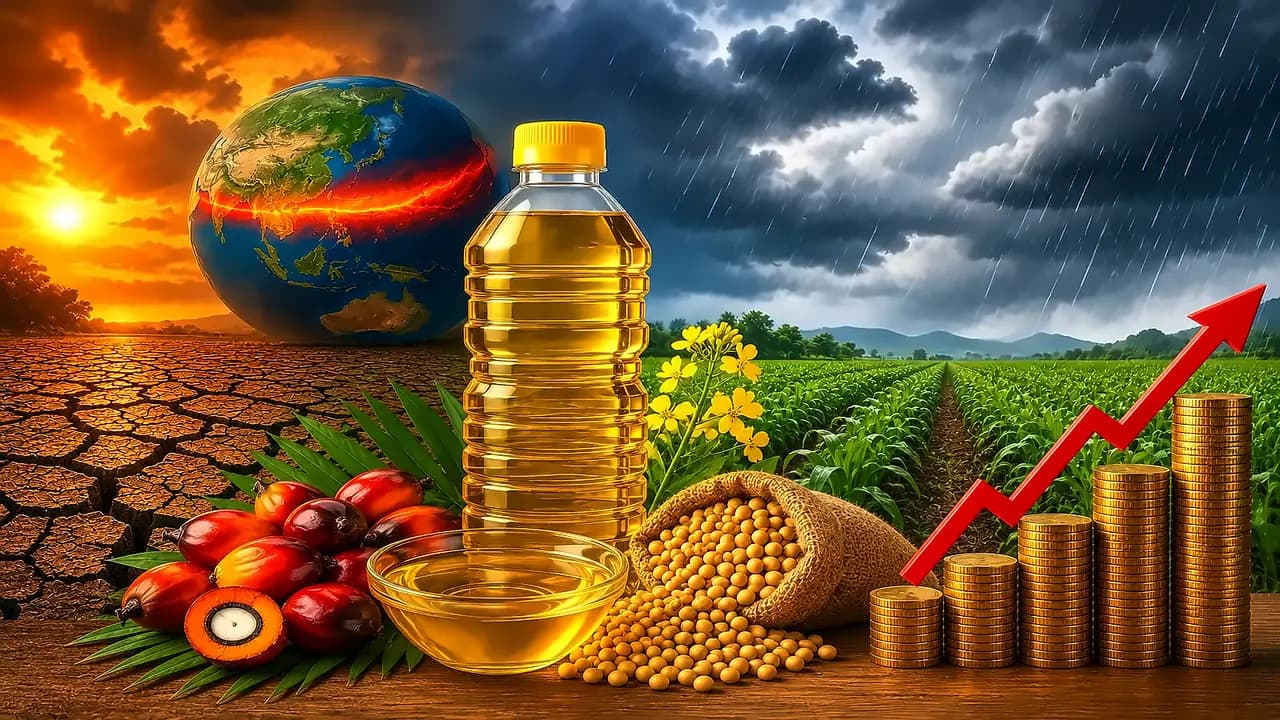
The potential duty reduction aims to ease food inflation pressures during the festive season when demand typically increases significantly. According to Reuters sources, the policy consideration reflects the government's concern about maintaining affordable food prices during the period when consumption of edible oils for traditional festive preparations increases substantially. Prices have risen because of disruption linked to Russia's war on Ukraine and extreme weather linked to El Nino and global warming, adding urgency to the government's consideration of import duty reductions. India's annual retail inflation accelerated further in August, driven by higher food prices, adding urgency to the government's consideration of import duty reductions.
Instead of making a deep cut in import duties, the government could lower the basic import duty by 5%, which would keep local soybean prices above government-set support levels and support oilseed farmers, according to a senior industry official cited by Reuters. The official noted that cutting import duties was not an effective way to manage prices due to risks that prices in exporting countries could rise as a consequence of increased Indian demand. In May 2025, India had already halved the basic import tax on crude edible oils to 10%, effectively lowering the total import duty on crude palm oil, crude soyoil and crude sunflower oil to 16.5%. After the duty reduction, global palm oil and soyoil prices moved higher, as those oils are also subject to the Agriculture Infrastructure and Development Cess and Social Welfare Surcharge.
Internationally, increased Indian demand would support benchmark Malaysian palm oil and U.S. soyoil futures, analysts say, as reported by Reuters. The government's approach reflects a balance between supporting domestic consumers and maintaining stability in global commodity markets through measured policy adjustments. The move aims to curb rising food inflation ahead of festival season, with lower prices likely to boost domestic consumption while supporting global markets through increased demand.