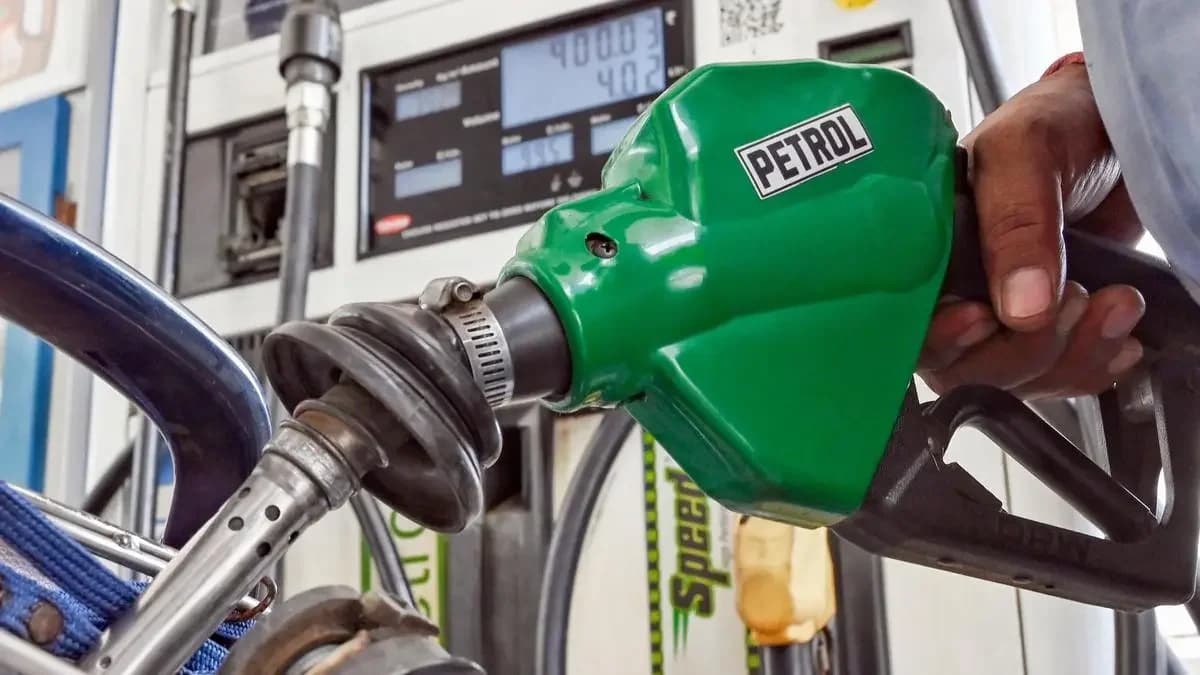
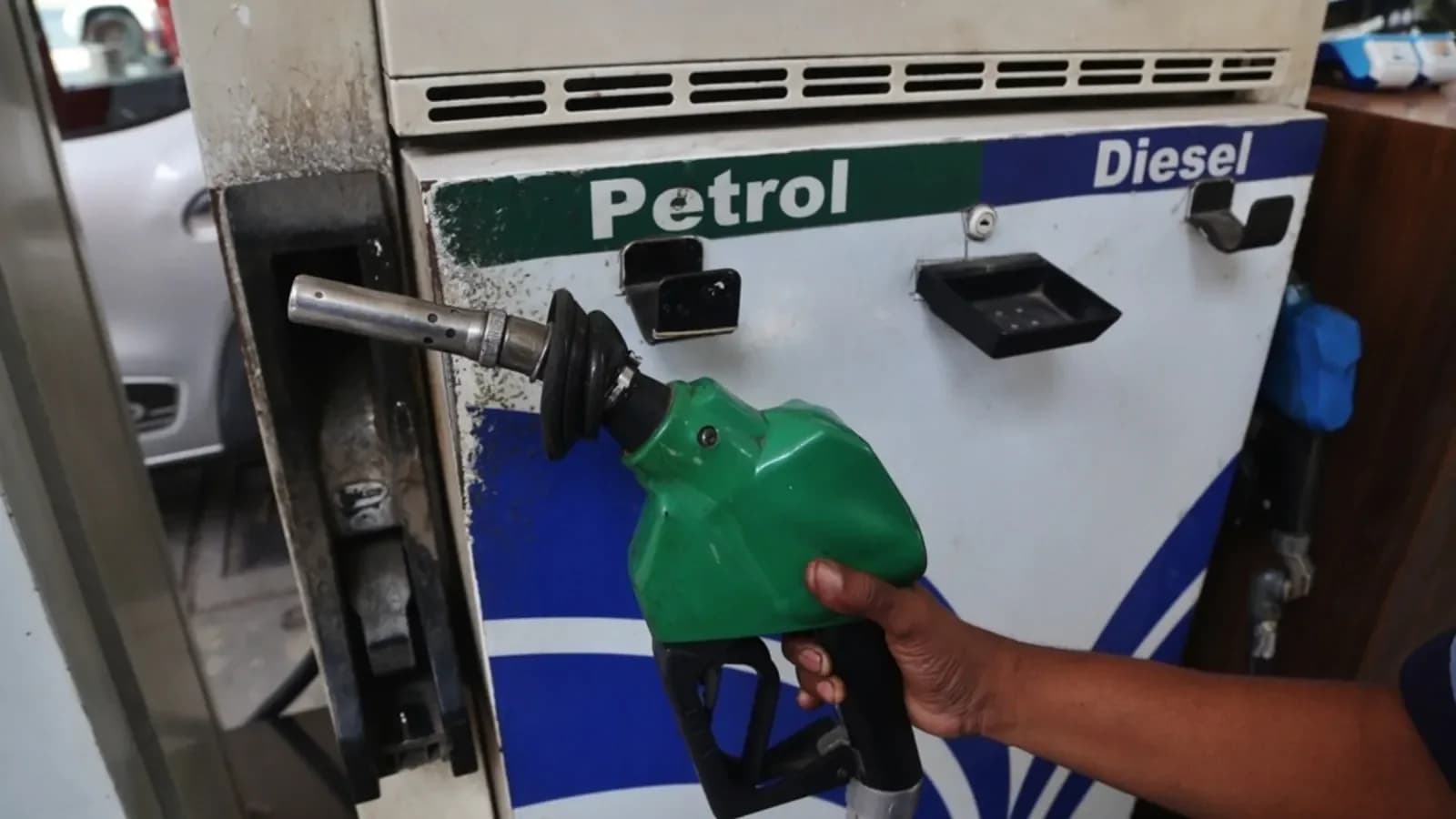
Oil companies in India raised fuel prices by up to ₹3 per litre on Friday, with petrol now costing ₹97.77 per litre and diesel at ₹90.67 per litre in Delhi, as reported by The Economic Times. The government had already hinted this price hike was coming, with Petroleum Minister Hardeep Singh Puri stating on Tuesday that the government would need to take a call on raising fuel prices at some point. Before this announcement, Prime Minister Narendra Modi had urged citizens to save energy and foreign exchange, asking people to carpool, use public transport, work from home, buy less gold, and cut down on foreign travel.
The price increase comes as the ongoing conflict in West Asia has seriously disrupted global energy supplies, according to The Economic Times reports. On February 28, the US and Israel carried out strikes on Iran, which led to a full-blown war across the oil-rich Gulf region. One major consequence has been the near-complete blockage of the Strait of Hormuz — an important sea route through which about one-fifth of the world's oil and gas passes. With ships unable to pass through freely, global energy prices have shot up significantly, creating what experts describe as an energy crisis that is starting to bite on the economy. Brent crude oil prices have surged to elevated levels, remaining around or above the $100 per barrel mark, driven by concerns over instability in the Strait of Hormuz and uncertainty around a durable ceasefire.
The PM framed these steps as a matter of national duty, saying the rise in crude oil prices and disruptions to global supply chains were putting serious strain on India's foreign exchange reserves, as reported by The Economic Times. India, the world's third-largest oil consumer, has been particularly vulnerable to disruptions in energy supplies linked to tensions around the Strait of Hormuz. Rising freight, logistics and input costs have also increased pressure on fuel retailers and manufacturers across sectors. The government has been preparing citizens for potential further increases, with experts warning this may not be the last such price hike.
Industry estimates suggest public sector refiners have been losing nearly ₹10 billion per day on fuel sales as retail prices failed to keep pace with rising import costs over recent months, according to Bloomberg News. Oil companies had been absorbing a large part of the increase to avoid a sharper burden on consumers and the broader economy, but the losses reportedly widened in April and May after refiners exhausted lower-cost fuel inventories accumulated earlier in the year. LNG prices were also raised by ₹2 per kg as part of the latest revision. The latest revision comes as state-run fuel retailers adjusted prices to offset rising international energy costs.
Across major cities, diesel prices saw increases of ₹3.11 in Kolkata (₹95.13 per litre) and Mumbai (₹93.14 per litre), while Chennai recorded a smaller hike of ₹2.86, pushing diesel rates to ₹95.25 per litre, as reported by The Economic Times. The price adjustments reflect global crude oil market volatility and the need for state-run fuel retailers to offset rising international energy costs. Wholesale fuel inflation surged dramatically in April, with petrol inflation jumping to 32.4% from 2.50% a month earlier, while inflation in high-speed diesel accelerated to 25.19% from 3.62% the previous month.