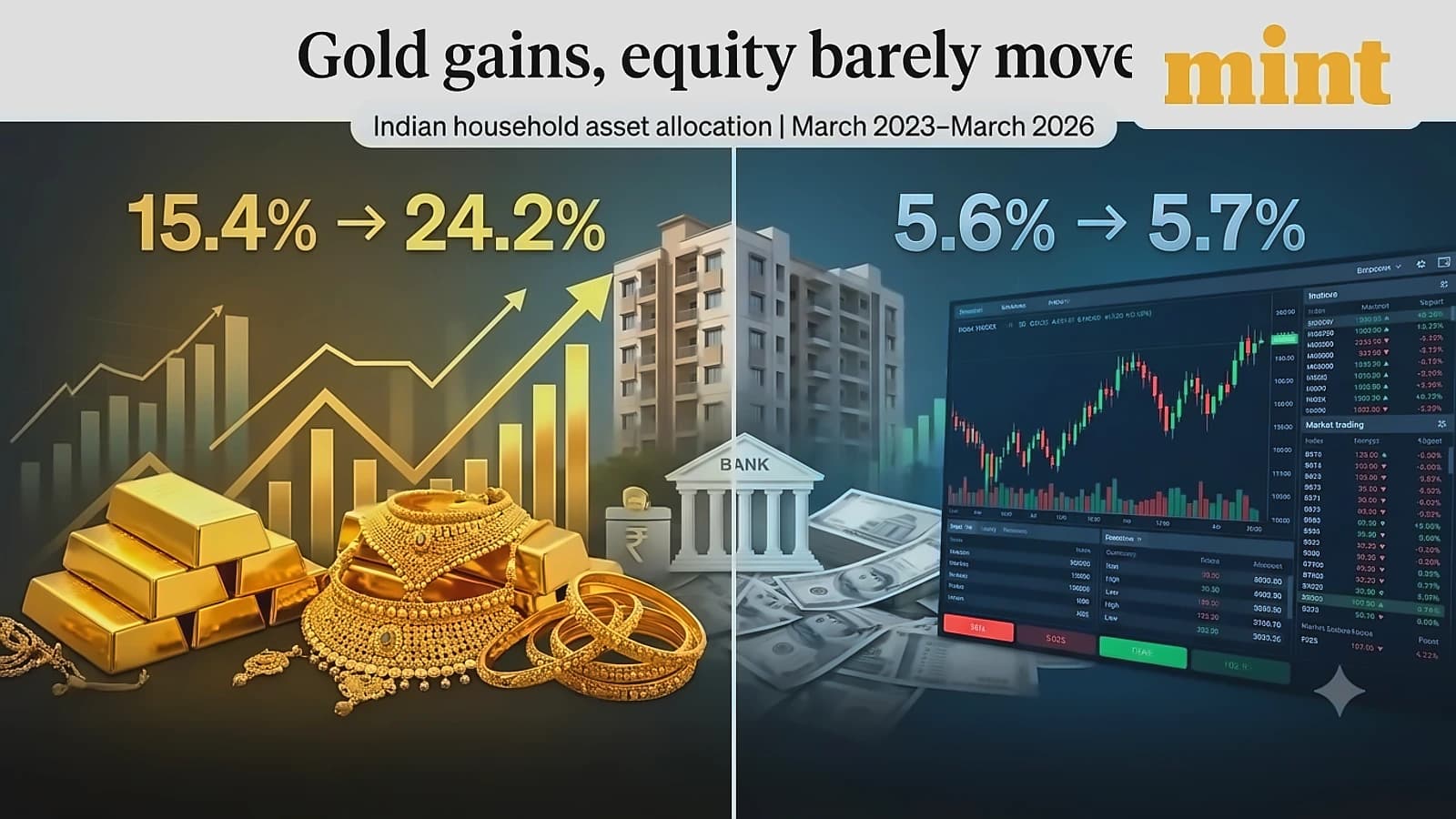
India has achieved a historic milestone in gold consumption patterns, with investment-led buying surpassing jewellery demand for the first time on record during the March quarter. According to the World Gold Council (WGC), investment demand rose 52% year-on-year to 82 tonnes, while jewellery consumption fell 19.5% to 66 tonnes. This shift represents a fundamental change in Indian gold consumption behavior, with investment demand accounting for 54.3% of total consumption during the quarter, exceeding jewellery's traditional share for the first time. As Sachin Jain, chief executive of the WGC's Indian operations, told Reuters, "For the first time investment demand surpassed jewellery demand," marking a decisive turn in buying patterns in the world's second-largest consumer of gold. The WGC noted that while higher prices have dampened jewellery purchases, they have simultaneously boosted investment demand, signalling a changing pattern in India's gold consumption dynamics.
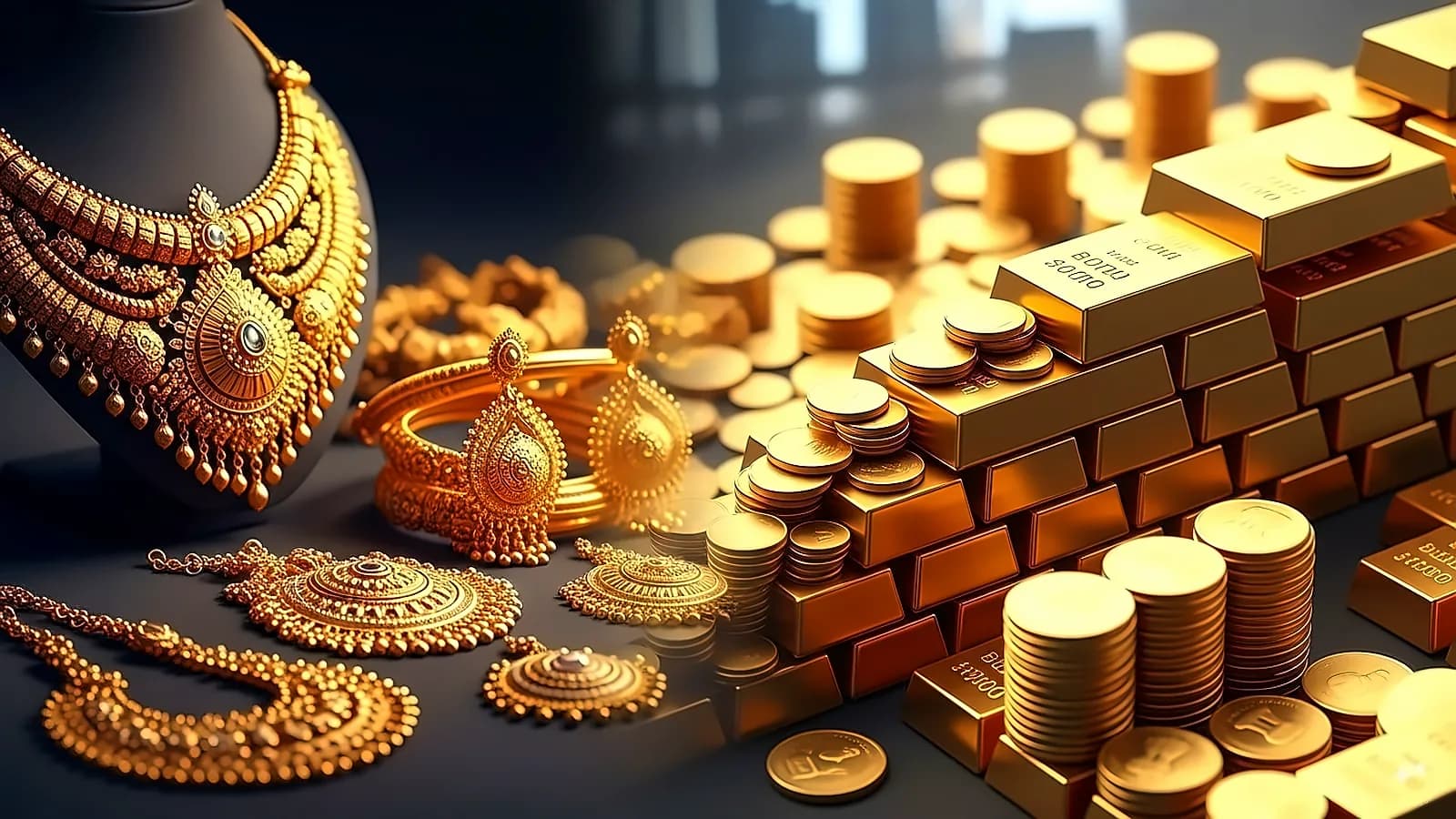
Where jewellery faltered, investment stepped in with exceptional force. Bar and coin demand in India jumped 34% year-on-year to 62.3 tonnes — the highest first quarter since 2013 — nearly matching jewellery consumption in tonnage terms. According to the World Gold Council, this surge reflects a significant structural shift in a market where jewellery has historically been a multiple of investment demand. Some buyers who would ordinarily have purchased jewellery switched to bars and coins, which carry lower premiums, as higher prices made traditional jewellery purchases less attractive. Gold ETF inflows also continued through the quarter, supported by dip-buying as prices corrected in February and March. The WGC noted that this shift highlights a broader change in how Indians are approaching gold, moving from adornment to asset, with investment demand now accounting for a larger portion of overall consumption than jewellery.
Despite the decline in jewellery consumption, overall gold demand in India remained robust, increasing 10.2% to 151 tonnes during the March quarter. As reported by the World Gold Council, this growth was primarily driven by rising purchases of bars, coins and exchange-traded funds, which helped offset the slowdown in traditional jewellery demand. The WGC noted that investment demand typically contributes roughly a quarter of India's overall gold consumption, making this shift particularly significant for the market. However, this shift highlights a broader change in how Indians are approaching gold, moving from adornment to asset, with investment demand now accounting for a larger portion of overall consumption than jewellery. The trend is likely to gain further momentum in the coming quarters as both retail and financial investors increase exposure to the precious metal.
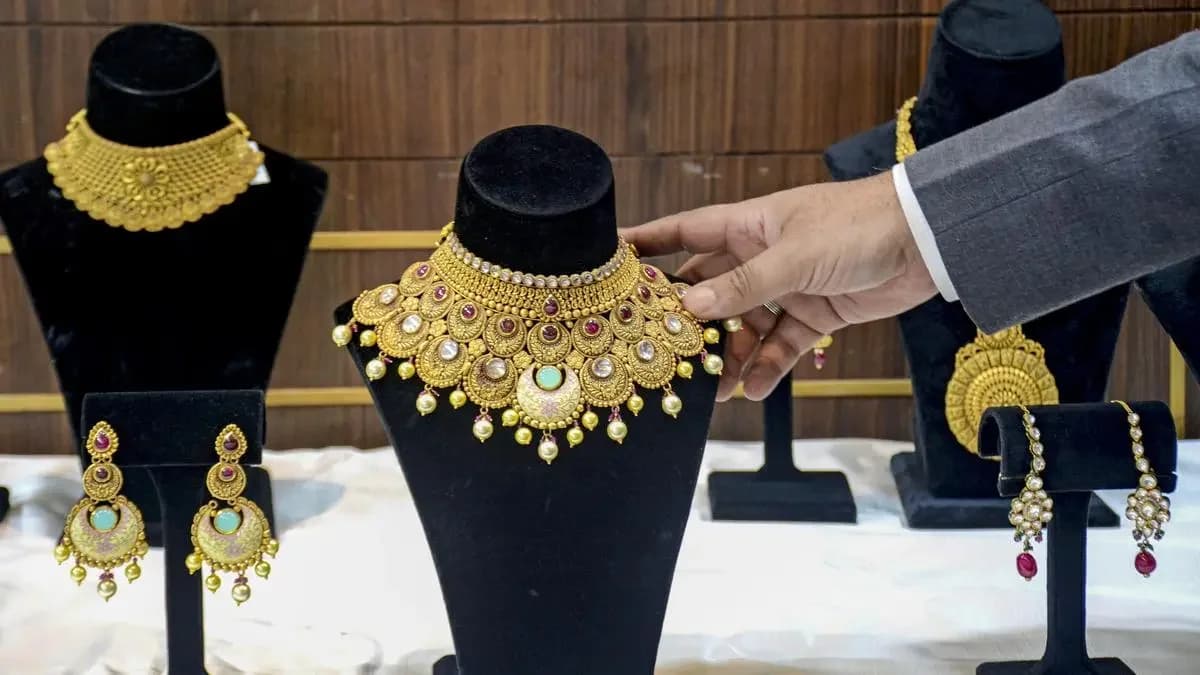
The shift toward gold investment has been primarily driven by divergent market performance, with the Nifty 50 gaining only about 2.4% since early 2025 while domestic gold prices have nearly doubled over the same period. As reported by the World Gold Council, this performance gap has encouraged investors to increase allocations to gold as a store of value in uncertain market conditions. During the recent Akshaya Tritiya festival, gold purchases dropped about 30% by volume as higher prices discouraged large purchases, with buyers remaining within budgets and choosing lighter jewellery, smaller coins and exchange deals instead of heavier items. Millennials largely opted for solitaires priced between ₹75,000 and ₹2.5 lakh, while the period typically accounts for 15% to 20% of annual retail sales according to Aamir Makda, commodity and currency analyst at Choice Broking. The volume decline reflects a broad shift in purchasing behaviour, with mass-market consumers cutting back on purchases or switching to lighter-weight, lower-carat, and studded jewellery to offset the price impact.
Gold's role as financial collateral in Indian households has expanded dramatically, with gold-backed borrowing seeing a dramatic rise — outstanding retail bank loans secured against gold jewellery stood at ₹4.3 trillion at end-February, up 124% year-on-year. According to the World Gold Council, this surge reflects gold's deepening role as financial collateral in Indian households. Exchange of old jewellery for new remained a dominant feature of the market during the quarter, as consumers sought to optimize their gold holdings amid rising prices. The trend mirrors a global pattern where central banks continued robust buying, with central bank net purchases remaining robust at 244 tonnes, up 3% year-on-year, while global gold supply rose 2% to 1,231 tonnes, driven by record mine production of 884.7 tonnes.