Gold has undergone a fundamental shift in investor perception, evolving from a traditional hedge to a value-creation asset according to Mirae Asset's Siddharth Srivastava. Speaking to CNBC-TV18, Srivastava noted that the conversation around gold has shifted from being a risk diversifier to a value creator, with investors now seeking quick returns through tactical and short-term allocation alongside long-term stability. This transformation comes as gold prices have experienced a sharp rally over the past year, followed by heightened volatility in recent weeks, fundamentally changing how investors approach precious metals investment. The latest analysis from World Gold Council confirms that gold has historically preserved purchasing power over extended periods, delivering an average annual return of 10% in Indian rupees over the past 41 years, outperforming the average CPI inflation rate of 7.3% during the same period.
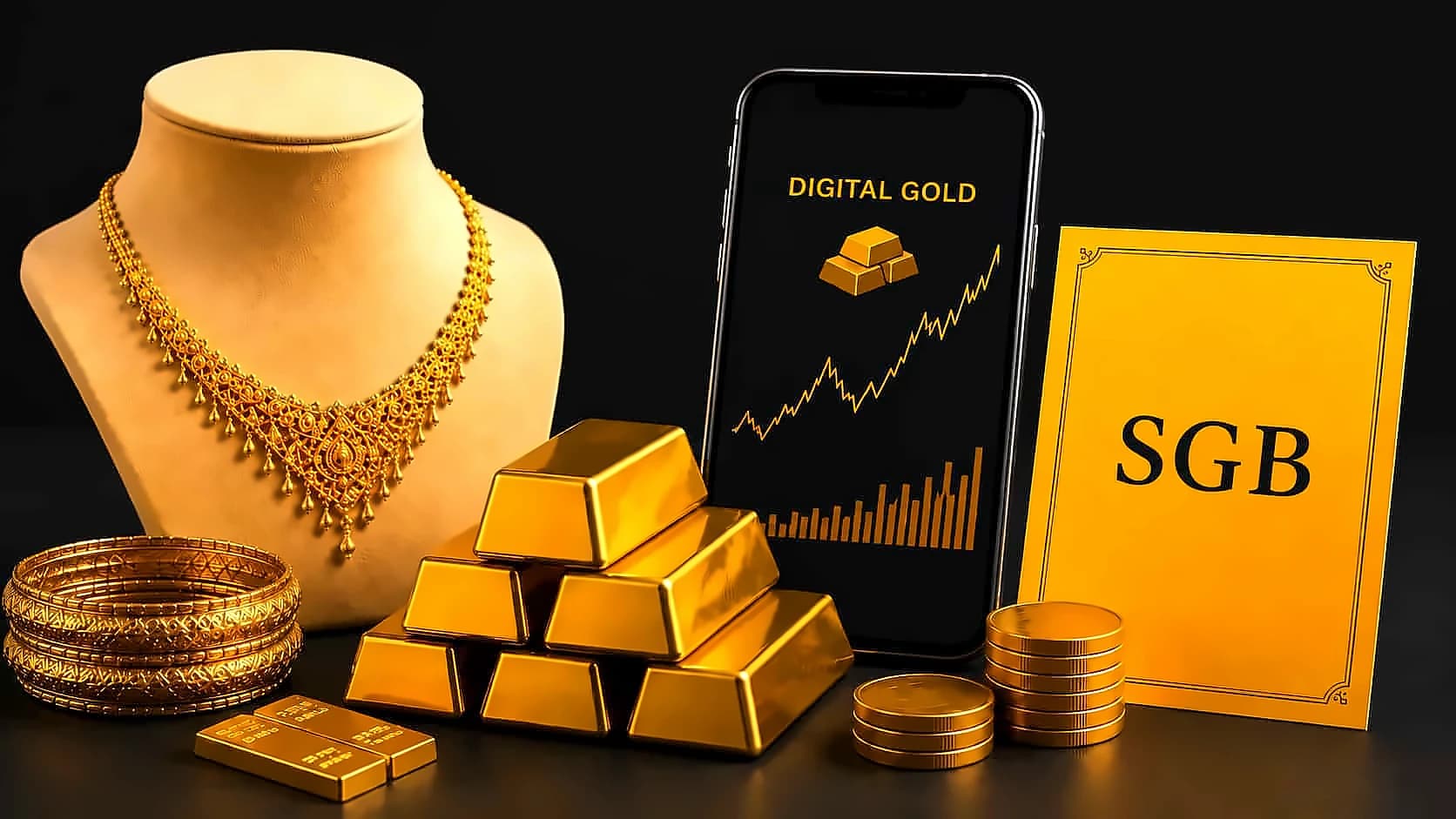
The shift toward digital gold investments has accelerated dramatically, with ₹30,000 crore flowing into gold and silver ETFs at peak levels in January alone. As reported by Mirae Asset's Srivastava, this represents a significant increase from previous quarters, with silver witnessing higher trading activity indicating growing appetite for tactical bets among investors. The surge encompasses all digital gold platforms, including SGBs, ETFs, and PhonePe gold transactions, with ₹316 billion flowing into Gold Exchange-Traded Funds (ETFs) in just one quarter according to earlier reports. According to Tata Asset Management's Tapan Patel, investors are increasingly moving from physical gold to more flexible formats such as ETFs and digital gold, allowing quicker portfolio adjustments. The latest research emphasizes that the best format for building an inflation hedge is the one you can buy consistently without friction, with platforms like OroPocket offering ₹1 minimum investments and instant UPI payments to make gold investing more accessible.

According to ClearTax's analysis, the physical market underwent significant recycling during the period. As reported by Mint, 40-50% of purchases were funded through exchanging old jewellery, with no fresh cash transactions. "India stopped absorbing gold - we started circulating it," Gupta wrote in his LinkedIn post, emphasizing that the capital is now liquid, market-linked, and actually working rather than just sitting in vaults. The fresh money went digital, with ₹316 billion flowing into Gold Exchange-Traded Funds (ETFs) in just one quarter, while digital gold transactions increased by 69%. This recycling pattern demonstrates how investors are moving from traditional physical holdings to more liquid, market-linked formats that better serve their portfolio needs.
The transformation has introduced new volatility dynamics, with experts noting that volatility levels in gold and silver have risen significantly compared to historical averages. As reported by InCred Money's Vijay Kuppa, recent price corrections were driven more by liquidity needs than fundamentals, with fund managers and institutions liquidating gold assets when liquidity was required. Despite ongoing geopolitical tensions, the market has become increasingly sensitive to both global liquidity cycles and investor sentiment, requiring investors to balance tactical opportunities with long-term discipline in this evolving landscape. The latest analysis confirms that gold can drop even when inflation is high, especially if real interest rates rise or the USD strengthens, emphasizing that gold is a better hedge over multi-year periods than over short timeframes.