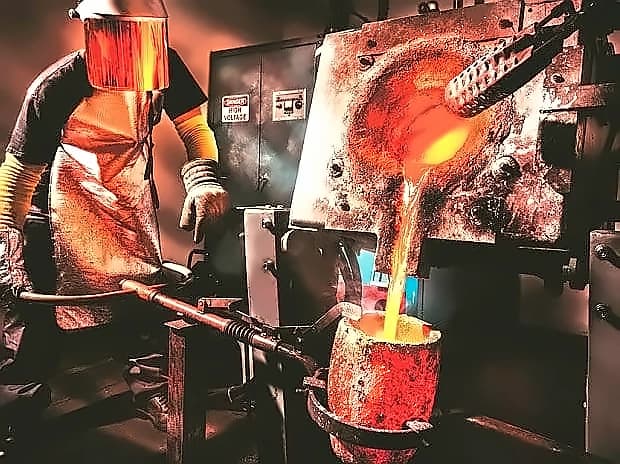
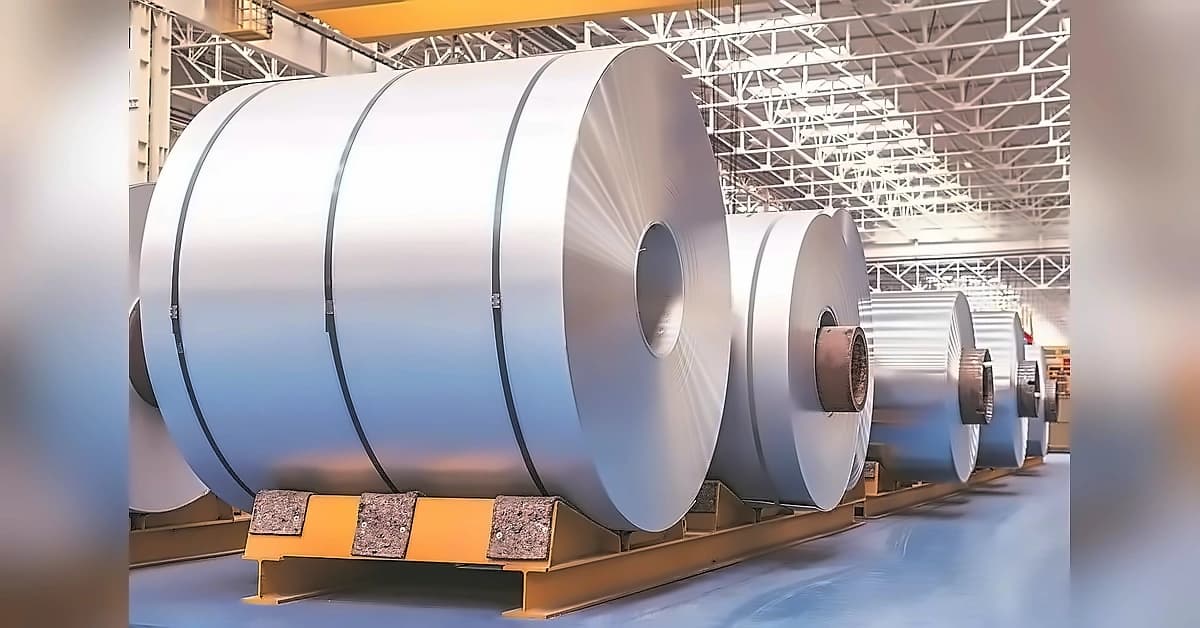
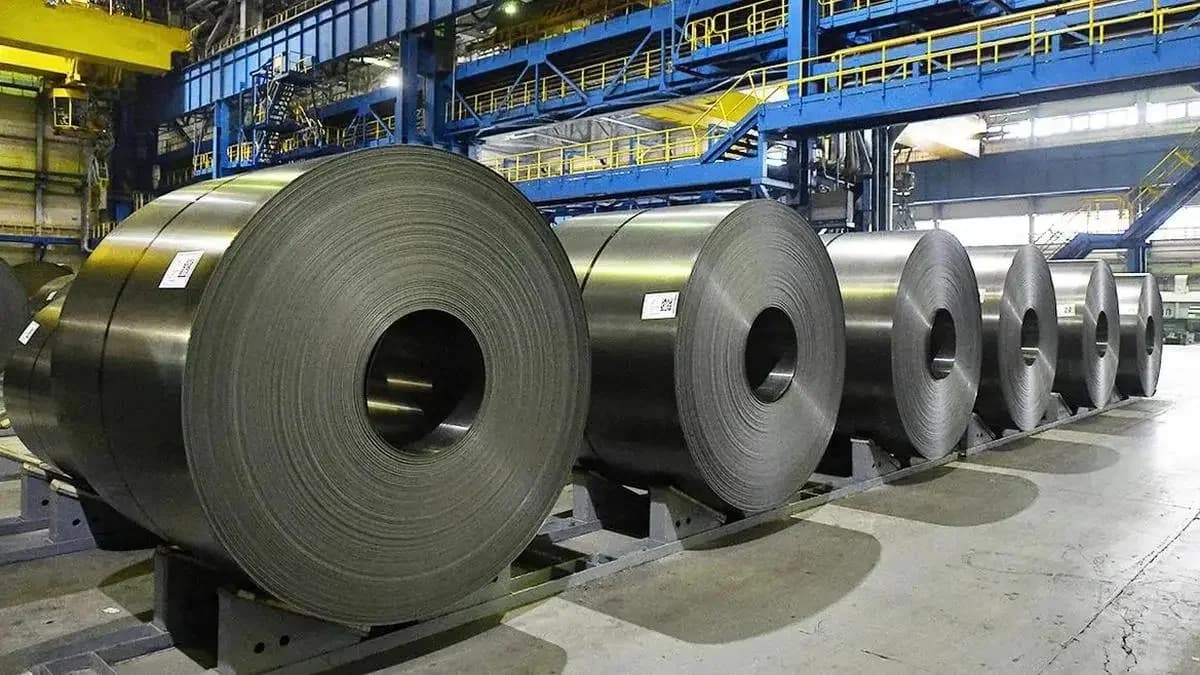
Global crude steel production demonstrated resilience in June 2026, rising 1.7% year-on-year to 155.7 million tonnes according to the World Steel Association. India emerged as a standout performer, leading growth among major producers with a 4.5% increase to 14.1 million tonnes in June. The country's first-half production climbed 7.1% to 87 million tonnes, marking the fastest growth among the top five steel-producing nations globally. This strong performance comes as India continues facing significant export challenges, with executives expecting exports to the European Union and Britain to fall by as much as 40% this fiscal year after both markets tightened import rules.
Steel sector companies are entering a challenging earnings season with mixed expectations for Q1 FY27 performance. According to Business Standard, Ebitda per tonne is expected to range between ₹9,000-10,500 for integrated Indian steel producers during the quarter. Ponmudi R, CEO of Enrich Money, noted that while the June quarter is expected to see gradual recovery rather than a blockbuster performance, Ebitda per tonne will be the key metric to watch as it shows whether steelmakers can convert higher steel prices into better profitability despite rising raw material costs. The impact of contrasting pricing trends may extend to Q2 FY27 earnings performance, as Elara Capital cautioned.
Indian steelmakers continue facing significant export challenges as key markets tighten import restrictions. According to reports from Business Standard, India ships approximately two-thirds of its steel to Europe, and executives expect exports to the European Union and Britain to fall by as much as 40% this fiscal year after both markets tightened import rules. The European Union unveiled quotas on June 30 to limit duty-free steel imports after introducing carbon charges in January under its Carbon Border Adjustment Mechanism. Britain also tightened tariff-free steel imports from July 1, though New Delhi reports that 85% of India's exports to the country remain protected under their free trade agreement. Elara Capital reports that China's steel export shipments rose 7% year-on-year to 10.3 million tonnes in June, the highest monthly export volume in recent months, adding to global competitive pressures.
The steel sector is experiencing significant domestic pricing divergence that could impact Q1 FY27 earnings. As reported by Business Standard, domestic HRC prices have remained stable at ₹58,200 per tonne while rebar prices have lost 16.5% to ₹49,500 per tonne in the last two months. Last week, HRC prices moderated by ₹200 per tonne to ₹57,850 per tonne, while rebar prices fell further by ₹1,300 per tonne to ₹47,950 per tonne, reaching their lowest level in CY26 according to Nomura data. Analysts say stable HRC prices could support integrated steelmakers, though falling rebar prices could offset the impact for long steel producers, resulting in mixed performance across the sector.
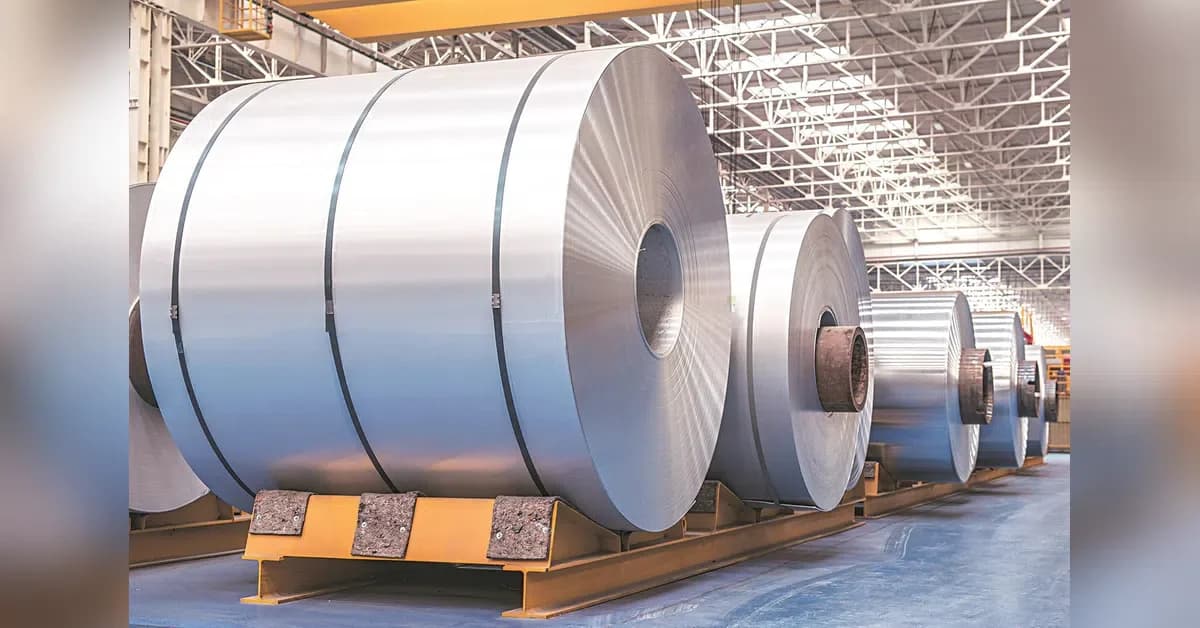
Steel sector performance has been mixed despite strong sector momentum. According to Business Standard, the Nifty Metal index has rallied 11.49% year-to-date, beating the Nifty 50 index which lost 7.31% in the same period. Steel companies, which account for around 40% of the Nifty Metal index, are expected to remain in focus this earnings season. Heavyweights such as JSW Steel, Tata Steel and SAIL are up 6-10% year-to-date, while Jindal Steel & Power, Jindal Stainless and APL Apollo Tubes have declined 3-12%. Welspun Corp has been the standout performer with near multibagger returns of 94%. Among major players, JSW Steel is likely to remain the strongest supported by higher flat-steel exposure and better value-added product mix, while SAIL is expected to remain under relatively higher margin pressure due to its cost structure and product mix.
Beyond domestic challenges, the steel sector faces mounting global risks from China and tighter EU import restrictions. According to Elara Capital, China's record steel exports, weaker construction demand at home, tighter European Union import quotas, and softer international steel prices are expected to reshape global trade flows and intensify competition for exporters. The EU has tightened its steel safeguard regime by reducing tariff-rate quotas by 47% and increasing out-of-quota duty to 50% from 25% across 26 steel product categories. Despite pivoting to domestic markets, Indian steelmakers face significant competitive pressures from Chinese imports, with Chinese steel priced $52-$63 per ton below domestic grades. The government has launched an anti-dumping investigation into hot-rolled steel from China, Japan and Russia, with a senior government official noting that India was the only major market where steel consumption remained strong.