India's finished steel exports are expected to decline 25-30% year-on-year in FY27 as tighter European Union safeguard measures reduce the country's duty-free access to its largest overseas market, according to a report by Crisil Intelligence. The report warns that this decline could result in India losing its status as a net exporter of finished steel this financial year, after exporting around 6.6 million tonnes (MT) of finished steel in the previous financial year. India exported around 6.6 million tonnes of finished steel in FY26, with the EU emerging as its largest export destination, with major markets including Italy, Belgium, Spain, Vietnam and the United Arab Emirates.
The expected decline follows the EU's revised steel safeguard regime, which came into effect on July 1. Under the new framework, the bloc has substantially reduced volume-based import quotas and tightened market access for exporters. According to Crisil, India's overall product-specific quota has been reduced by around 30%, from about 2.8 MT under the earlier framework to nearly 1.9 MT under the revised regime. However, Indian exporters may compete for around 1.2 MT under the newly created FTA country-specific quota (FTA-CSQ) pool and another 0.4 MT under the FTA-others category, taking the overall export opportunity to around 3.5 MT. The report noted that under the EU's revised steel safeguard quota, effective July 1, volume-based import quotas have been significantly reduced, resulting in a 41% decline in India's share.
Europe remains strategically important for Indian steel exporters, with the EU importing around 29.7 MT of steel in calendar year 2025, of which approximately 2.4 MT came from India, giving the country an 8% share. Nearly 40% of India's finished steel exports during the year were destined for the EU, making the region one of its most significant overseas markets. The EU has tightened protection measures against global steel overcapacity and rising import penetration, reducing annual duty-free import quotas by 47% to 18.3 MT and doubling out-of-quota tariffs from 25% to 50%. While India exports only 3-5% of its finished steel production, nearly 40% of those exports were shipped to the EU in calendar year 2025, underscoring the region's importance for domestic steel producers.
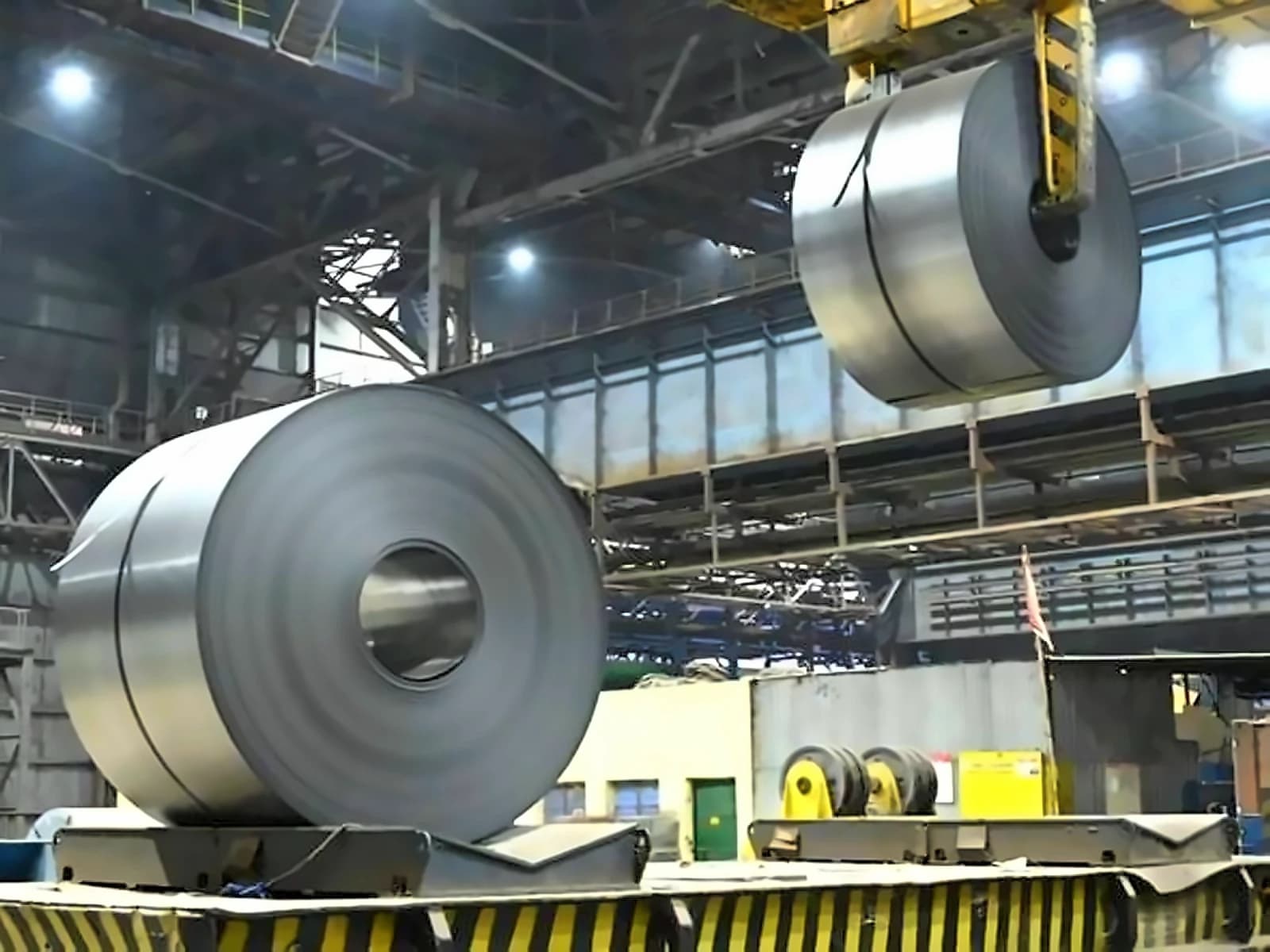
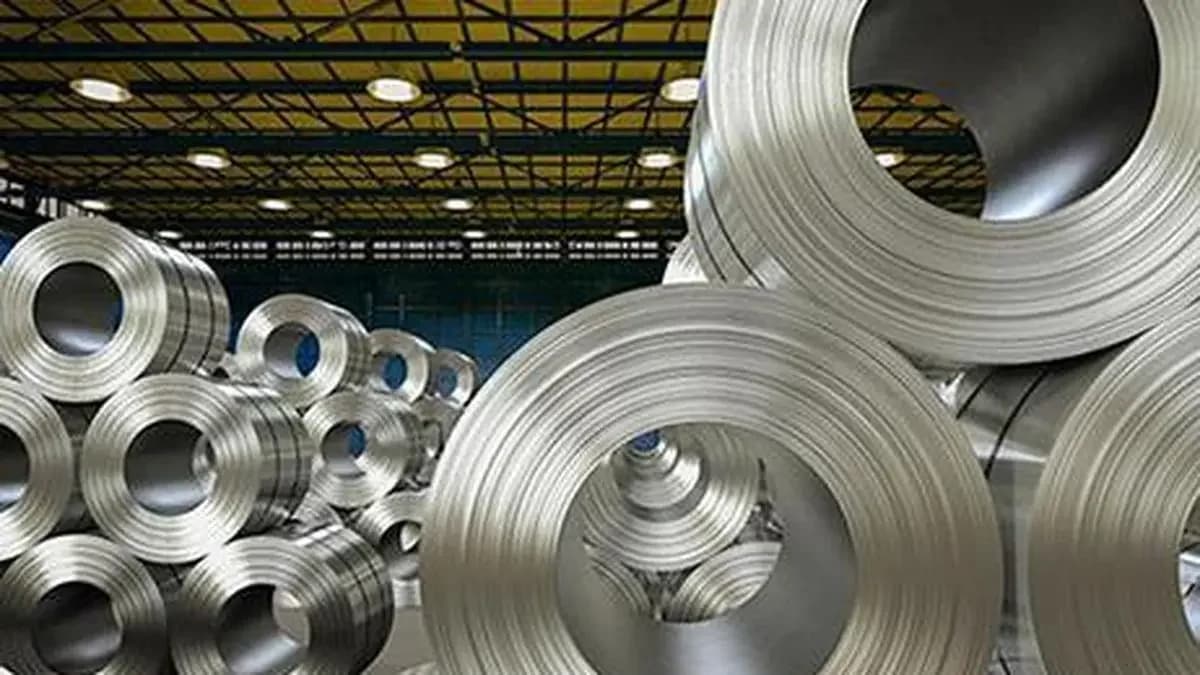
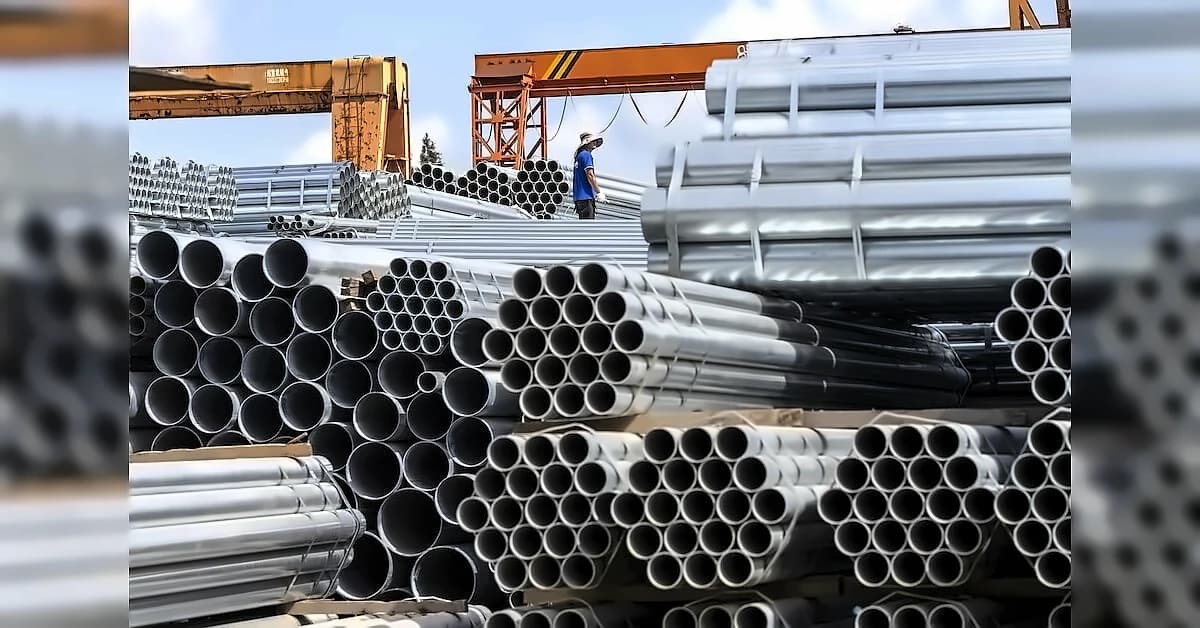
The impact of the revised regime varies across product categories, with Crisil noting that stainless cold-rolled sheets and strips face the steepest reduction in quota allocation, at 69%, followed by non-alloy and other alloy cold-rolled sheets, which face a 59% decline. Despite new channels for competition, lower quota allocations and intense competition in global markets, particularly amid weak steel prices outside the EU, are expected to weigh on India's exports this financial year. The EU remains a strategically important market for India's steel industry, particularly for exports of hot-rolled coils (HRC), cold-rolled coils (CRC) and galvanised steel products.
Crisil cautioned that weaker exports to Europe could increase steel availability in the domestic market, putting pressure on prices and profitability. The report noted that a similar trend was seen in FY23, when exports fell sharply following the imposition of export duties and weaker global demand, leading to a decline in average domestic hot-rolled coil prices. With export realisations under pressure, steelmakers are likely to focus more on the domestic market, as the newly introduced free trade agreement country-specific quota (FTA-CSQ) and FTA-others quota categories under the India-EU FTA may provide some relief, although the extent to which these provisions would help remains to be seen.