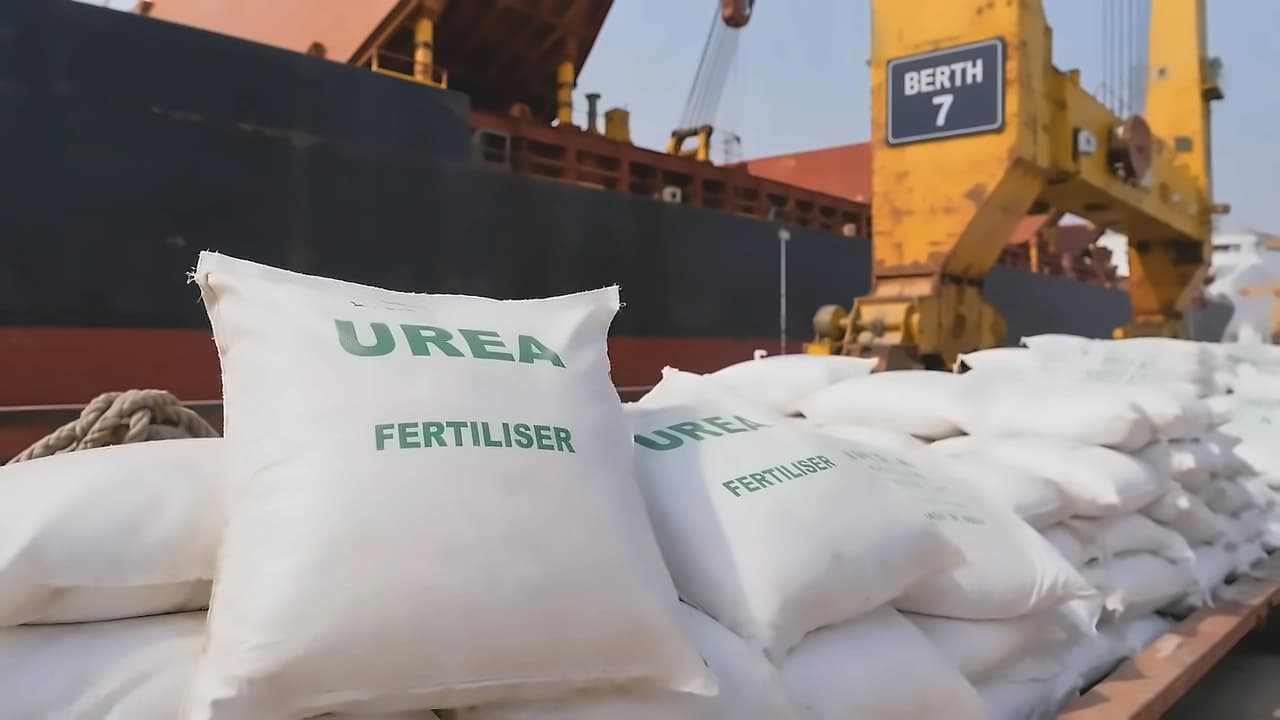
India has issued a tender to purchase 1.7 million tons of urea from global suppliers ahead of the monsoon sowing season, as reported by Business Standard and The Economic Times. National Fertilizers Ltd., a state-run producer, will procure 900,000 tons through the country's west coast and the remaining volume via the east coast. The shipments are scheduled to leave loading ports by July 20, according to a notice posted on the company's website on Wednesday. This represents the second tender since the start of the US-Israeli conflict with Iran, highlighting the ongoing supply chain disruptions affecting global fertilizer markets.

The urea purchase plan represents the second tender since the start of the US-Israeli conflict with Iran, as reported by Business Standard. Urea production in the world's largest importer depends heavily on natural gas, much of which is imported from the Middle East and used to produce ammonia, a key feedstock. Tighter LNG supplies following the effective closure of the Strait of Hormuz forced some South Asian producers to shut plants in March, curbing output significantly. As per The Economic Times, this move by one of the world's largest exporters signals domestic supply confidence, potentially easing the surge in crop nutrient prices for international buyers.
Global urea prices have surged since the start of the conflict, with nearly 45% of global supplies transiting through the Persian Gulf, according to Business Standard. India bought 2.5 million tons in its previous tender at prices nearly double pre-conflict levels. The latest tender comes as the Middle East conflict continues to disrupt gas supplies for domestic urea output, with the decision following earlier export bans and potentially offering relief to international buyers grappling with supply disruptions.
India requires about 39 million tons of fertilizer for crops grown during the June-September rainy season, as reported by the fertilizer ministry. Current inventories stand at about 20 million tons, creating a significant supply gap that necessitates the current import tender. Plantings of key crops including rice, corn and soybeans are set to begin next month, making timely urea availability crucial for the upcoming sowing season. As per The Economic Times, the Centre is committed to ensure that there are sufficient fertilizer stocks available at affordable rates to farmers.