Officials from India's Ministry of Mines held preliminary discussions with Zambian officials on August 26, marking the resumption of talks between the two countries on copper and critical mineral investments. According to reports from Reuters, the discussions were held as New Delhi seeks overseas sources of raw materials to meet rising demand from its rapidly growing economy. Notably, the recent discussions did not touch upon a stalled project that had previously halted the talks, indicating a fresh approach to bilateral mineral cooperation. As confirmed by two sources familiar with the talks, the discussions were confidential and focused on exploring investment opportunities in copper and other critical minerals.
The current talks come after discussions between India and Zambia had stalled in April 2026 due to a lack of assurances from Lusaka on mining rights for an area of 9,000 square kilometres awarded to India last year. As reported by Reuters, the stalled project had been a key factor preventing the resumption of formal negotiations. India's Ministry of Mines did not respond to a Reuters request for comment, while a spokesperson for Zambia's Ministry of Mines said they could not confirm anything for now. The latest reports confirm that the two sides did not discuss this stalled project during the recent August 26 discussions.
India has been actively pursuing critical mineral acquisitions through multiple channels, with Khanij Bidesh India Ltd, India's main vehicle for securing critical mineral supplies overseas, evaluating investment opportunities in Australia, Brazil, Canada, Russia and Indonesia. According to Reuters, the company is also in talks about a project in Malawi. A spokesperson for the Federation of Indian Mineral Industries emphasized that "Indian companies should primarily be encouraged to pursue brownfield and near-production projects, along with long-term offtake arrangements." This shows India's aggressive strategy to secure mineral resources from different parts of the world, with Africa, especially the Democratic Republic of Congo and Zambia, positioned to play an important role in meeting India's growing copper and cobalt requirements.
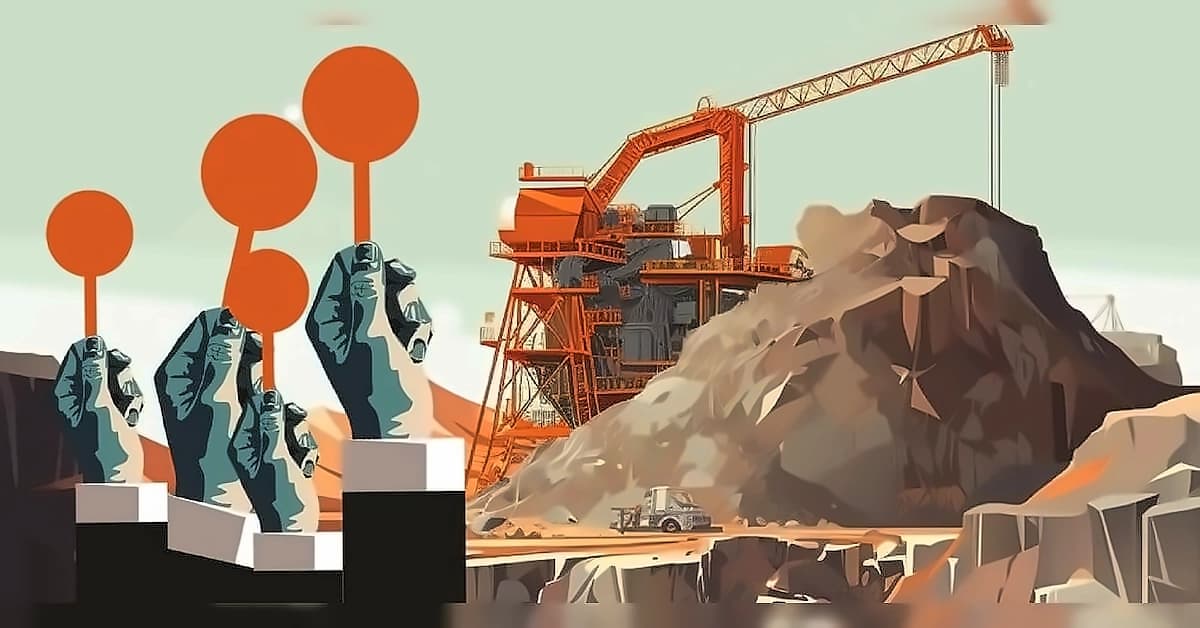
India's strategic focus on critical mineral acquisition is driven by its position as the world's second-biggest buyer of refined copper, with copper imports having risen sharply since the 2018 closure of Vedanta's Sterlite Copper smelter. As reported by Reuters, the government has indicated that India may have to import 91% to 97% of its copper concentrates by 2047. This projection underscores the importance of securing stable mineral supplies from countries like Zambia. The Federation of Indian Mineral Industries spokesperson noted that "Africa, and the Democratic Republic of Congo and Zambia in particular, can play an important role in meeting India's growing requirements for copper and cobalt."