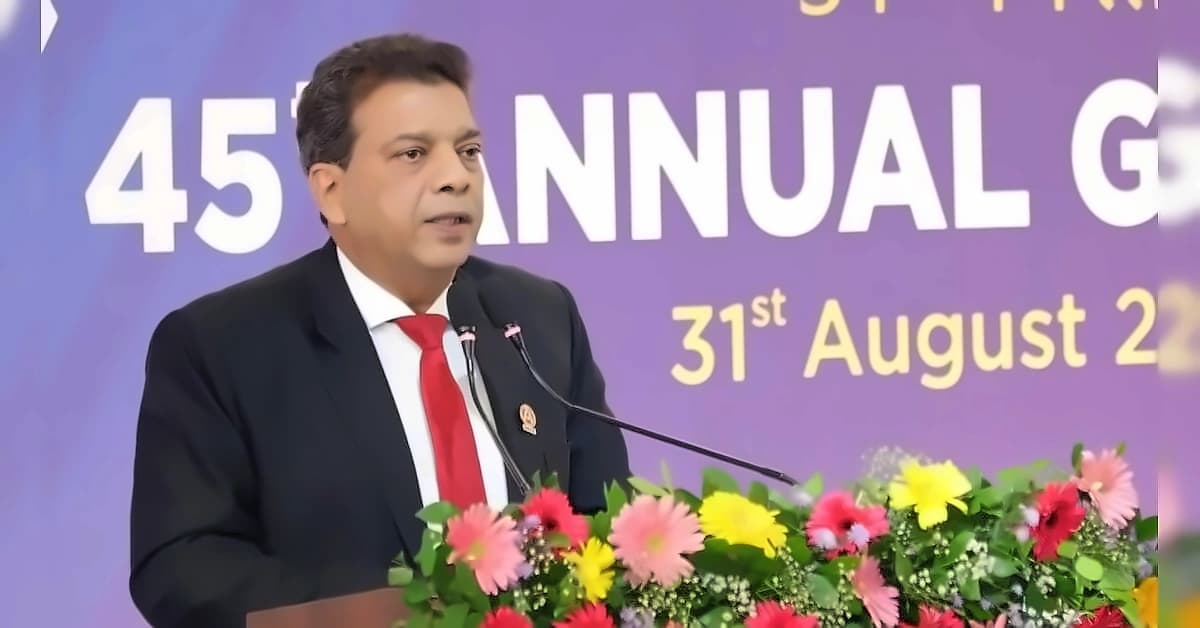
Hindalco Managing Director Satish Pai announced that India will eliminate its refined copper import dependency within the next two years. According to reports from Business Standard, Pai made this statement during a media interaction following the company's 2025-26 (FY26) earnings announcement on Monday. The timeline comes as Prime Minister Narendra Modi earlier this month raised concerns over rising copper imports, with India's copper import bill rising dramatically from ₹22,856 crore in FY17 to ₹1.03 trillion in FY26 until February, marking an increase of more than 350 per cent in less than a decade.
According to Business Standard reports, Pai identified several key projects that will help bridge India's domestic supply gap. The commissioning of Adani Group's Gujarat copper plant, Hindalco's own expansion projects, and a new copper recycling facility are expected to significantly reduce import dependence. Hindalco is setting up a 50-kilotonne copper recycling plant and expanding its smelting operations through its Copper-5 project, a brownfield expansion initiative in Gujarat for copper cathode production, for which the company recently completed the public hearing process. As reported by ETAuto, Pai confirmed that the company won a copper block more than a year ago and is now at an advanced stage of exploration, with plans to actively bid for additional copper blocks as they become available. Pai emphasized that within the next two years, India, like in aluminium, is likely to reduce its dependence on imported copper, with the company actively pursuing exploration opportunities for critical minerals like copper, nickel, and lithium.
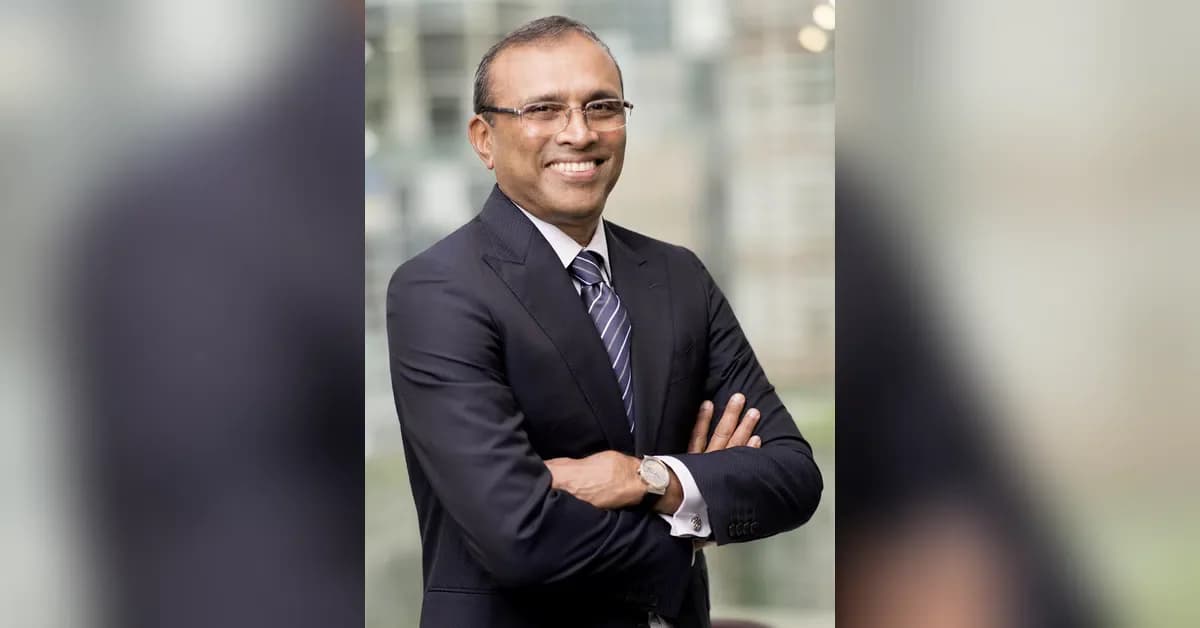
As reported by Business Standard, Hindalco's domestic copper exploration efforts in the Minzari copper block in Maharashtra have shown encouraging signs, marking one of the clearest indications yet of the company's intent to secure long-term copper ore supplies within India. The company acquired the block through auction in 2023 and is participating in additional exploration licence auctions for domestic copper ore blocks. While India may become self-sufficient in refined copper, Pai acknowledged that the country would continue to rely on imported copper concentrate for the foreseeable future, though Hindalco aims to increase domestic ore sourcing to 20-25 per cent of requirements within five years, up from around 10 per cent currently. Pai further noted that the government is actively offering exploration blocks for critical minerals such as copper, nickel and lithium, and the company is pursuing opportunities in these areas.
According to ETAuto, Hindalco's aluminium exports to Japan, South Korea and Taiwan have marginally increased after the company filled supply gaps created by the West Asia crisis. Nearly 70 per cent of the company's aluminium is absorbed by the robust domestic market while exports account for 25-30 per cent. Pai explained that the company is actively ramping up its flat rolled products (FRP) aluminium manufacturing unit at the Aditya Aluminium complex in Sambalpur district, with expectations that the can shortage in India will be a distant memory by the end of this year. The company is also actively pursuing exploration opportunities for critical minerals like copper, nickel, and lithium, aiming to reduce India's import dependence across multiple mineral categories. As reported by Outlook Business, Pai confirmed that 90 per cent of Hindalco's aluminium exports go to Japan, Korea and Taiwan, with the company not exporting to the Middle East as it was a net exporter of aluminium, with 2.5 million tonnes of Middle East aluminium going off the market contributing to high aluminium prices globally.
According to Business Standard, Hindalco's copper business reported record quarterly earnings before interest, taxes, depreciation and amortisation (Ebitda) of ₹907 crore, up 48 per cent year-on-year in the January-March quarter. However, full-year Ebitda declined 7 per cent to ₹2,809 crore. Despite global copper smelting economics remaining under pressure due to sharply lower treatment and refining charges, Pai expressed confidence in the company's diversified earnings profile. He stated that the company can continue generating reasonable returns even when TC/RCs are negative, with profitability increasingly supported by downstream copper products and sulphuric acid by-products. As reported by ETAuto, the company has secured long-term copper concentrate contracts for the next five years and remains confident of sustaining operations despite weak global TC/RC conditions.