India and the UAE signed framework agreements worth $5 billion in investments across multiple sectors during Prime Minister Narendra Modi's visit to Abu Dhabi on May 15th. According to Mint News, the agreements include a strategic defense partnership framework aimed at strengthening security cooperation between the two nations. The energy sector deals focus on a memorandum of understanding on Strategic Petroleum Reserves and an agreement on liquefied petroleum gas (LPG) supply. Modi met with UAE President Sheikh Mohammed bin Zayed Al Nahyan during delegation-level talks that discussed bilateral ties, energy cooperation, and regional issues. As per Mint News, this visit comes just months after Sheikh Mohammed's short visit to India earlier this year, highlighting the strengthening bilateral relationship. "This UAE visit also saw the conclusion of key agreements across vital areas such as energy, defence, infrastructure, shipping and advanced technology, giving fresh impetus to the India-UAE Comprehensive Strategic Partnership," PM Modi said on social media. "In another important development, UAE announced investments worth $5 billion in India. This will further deepen economic ties," he added.
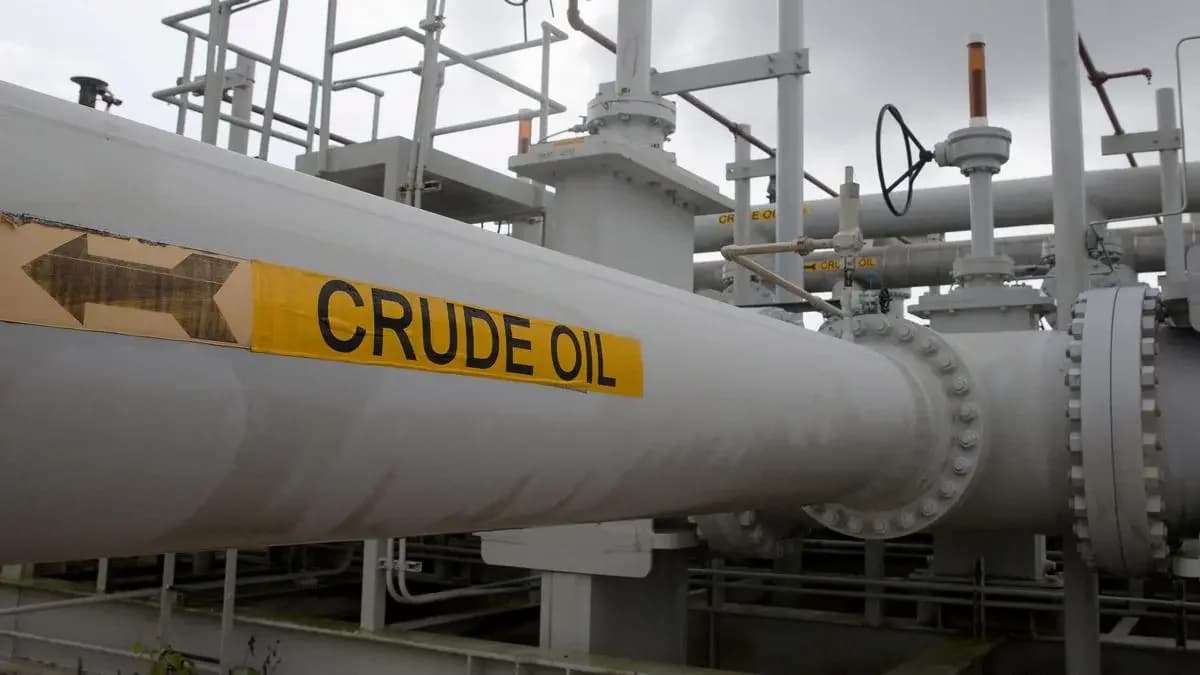
The most significant development is the major strategic energy agreement under which Abu Dhabi will store up to 30 million barrels of crude oil in India's Strategic Petroleum Reserve. According to The Times of India, this includes potential ADNOC crude oil storage in India's Strategic Petroleum Reserves up to 30 million barrels, with participation in facilities in Vishakhapatnam, Andhra Pradesh; and the development of reserve facilities in Chandikol, Odisha. The UAE will also provide potential storage of crude oil in Fujairah, UAE, to form part of the Indian strategic petroleum reserve. The UAE's Abu Dhabi National Oil Company previously entered into an agreement to store over 5 million barrels of crude oil reserves in ISPRL's facility in Mangaluru, with India having the 'first right of refusal' in the event of a severe global supply shock. The UAE recently exited from OPEC, making it free from oil cartel production limits and enabling increased crude oil production for export to India.
Crude oil prices have surged significantly due to Middle East tensions, with India's imported crude oil averaging USD 113-114 per barrel, representing a significant surge from USD 69 per barrel in February before the war in West Asia broke out. Global crude oil prices have surged more than 50 per cent since US-Israeli strikes on Iran on February 28 and Tehran's subsequent retaliation disrupted energy flows through the Strait of Hormuz. The Informal Group of Ministers (IGoM) was informed on May 11 that India has 60 days of crude oil, 60 days of Natural Gas and 45 days of LPG rolling stock, with the country maintaining security and no shortage of petroleum products even as most other nations have taken emergency measures to reduce domestic consumption. Indian state refiners raised retail prices for gasoline and diesel for the first fuel price hike in four years, with the hike amounting to over 3% and necessitated by the global crude oil price surge that resulted in losses for India's refiners. However, recent crude trade flows show that India's imports from the UAE during late April and May have already recovered to levels broadly comparable to what it was importing prior to the conflict escalation, highlighting how closely both countries have coordinated despite the challenging market environment.
The LPG supply agreement is equally significant as India's LPG demand continues to rise steadily due to residential consumption growth, urbanization, and government-led clean cooking fuel initiatives. According to The Times of India, India remains structurally dependent on LPG imports despite increasing domestic refinery and gas processing output, making securing long-term LPG supply arrangements with the UAE crucial for energy security. "Securing long-term LPG supply arrangements with the UAE can help India reduce reliance on volatile spot cargo markets, improve supply visibility, and enhance affordability and availability for domestic consumers," says Sourav Mitra, Partner - Oil & Gas, Grant Thornton Bharat. The partnership includes a Strategic Collaboration Agreement between Indian Oil Limited (IOCL) and ADNOC on supplies of LPG, exploring potential opportunities in the sale and purchase of LPG, including long-term supply arrangements between ADNOC Gas Limited and IOCL. Stable long-term contracts can also help India better manage seasonal demand spikes and reduce exposure to sharp price swings in international LPG benchmarks.
India's total emergency storage capacity is substantial, with Indian Strategic Petroleum Reserve Limited (ISPRL) holding 5.33 Million Metric Tonnes (MMT) at 3 locations – Vishakhapatnam, Mangaluru and Padur. In the event of a total supply blockade, this reserve can meet India's massive fuel requirements for approximately 9 days. Combined with Indian Oil Marketing Companies' commercial reserves, India's total emergency storage can theoretically sustain the nation for roughly 74 days. The agreements represent "monumental implications for India" according to Sourav Mitra, as they enable a shift from immediate procurement to long-term risk management, where energy security is built through buffers and resilience. "Larger and more collaborative reserve arrangements can reduce exposure to short-term volatility, and provide policymakers with more space to respond during crises," he explains. The UAE's geographical proximity to India makes supply available at short notice, and its recent move from OPEC and OPEC+ will allow increased crude oil production for export to India, further strengthening the strategic partnership.