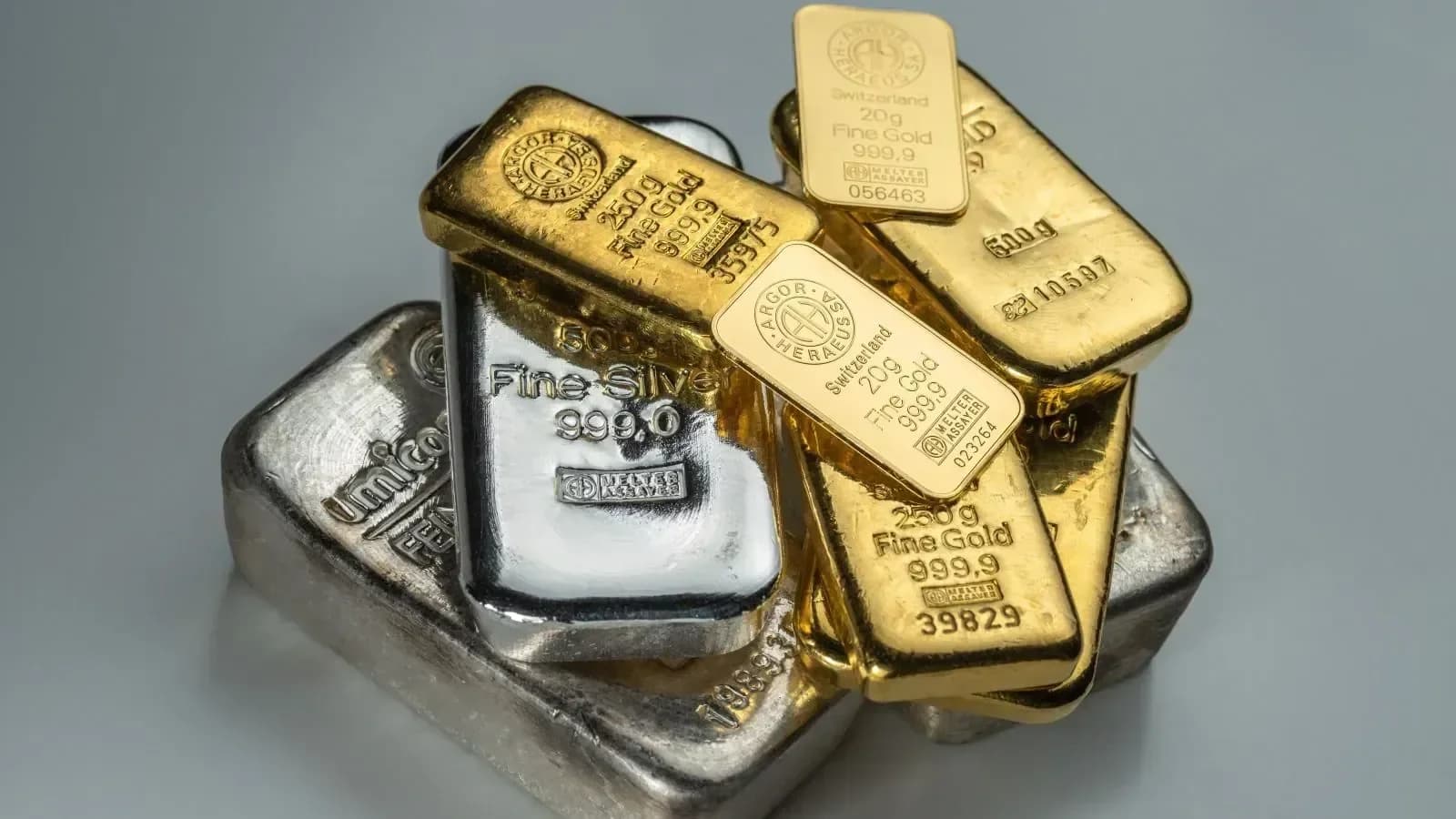
The Multi Commodity Exchange of India (MCX) has announced the launch of Silver 100 100 gram futures contracts from June 1, 2026, across multiple expiries as part of its expanded precious metals segment. This new contract launch comes as India continues to tighten oversight and raise duties on gold and silver imports, with the exchange positioning itself to capitalize on the growing domestic demand for silver trading instruments. The launch represents MCX's strategic expansion into the silver futures market, providing traders with enhanced opportunities to participate in silver price movements through standardized contracts.
In the latest trading session, MCX silver contracts for July 2026 delivery climbed ₹9,964, or 3.8%, to ₹2.71 lakh per kilogram, while gold futures for June 2026 delivery rose ₹6,017, or 3.94%, to ₹1.58 lakh per 10 grams. According to LKP Securities, the rally was largely influenced by the recent 6% import duty hike, which significantly lifted domestic prices despite weakness in international markets. The strong performance comes as investors closely track Chinese economic data, US housing numbers, PMI data, weekly jobless claims and minutes of the FOMC meeting. In contrast, international bullion prices remained under pressure last week.
The Indian government has implemented stricter import controls by moving selected silver bars from the 'free' import category to the 'restricted' category, requiring importers to obtain approval or licences before bringing them into the country. As per ElsKynet, this latest notification represents part of efforts to reduce pressure on India's import bill and support the rupee. The Directorate General of Foreign Trade (DGFT) has issued a notification amending the import policy for specific categories of silver covered under Chapter 71 of the Indian Trade Classification (ITC) Harmonised System (HS) 2022 import policy schedule. Earlier, on May 13, the Centre had raised import duties on gold and silver from 6% to 15%, with including the 3% IGST, the overall effective duty now exceeds 18%. The move comes shortly after the government raised customs duty on precious metals from 6% to 15% on May 13, a step aimed at regulating imports and managing trade and forex pressures.
The Multi Commodity Exchange of India (MCX) has significantly revised its 'MCX Good Delivery Norms for BIS-Standard Gold/Silver' in a circular dated May 17, 2026, aimed at enabling more domestic silver refiners to participate in exchange deliveries. Under the revised norms, silver refiners are exempt from BIS accreditation requirements during the empanelment process, though refiners must obtain a valid BIS licence within 12 months after BIS finalises the accreditation process for domestic silver refineries. The exchange has invited eligible domestic silver refiners to apply for empanelment, with the move aligned with the government's 'Aatmanirbhar' vision to enable delivery of gold and silver refined in India. With the new Silver 100 contracts launching from June 1, 2026, MCX is positioning itself to offer comprehensive silver trading options across different contract specifications.
While MCX has relaxed BIS licence requirements, the broader compliance framework remains stringent. Applicants must meet minimum net worth of ₹10 crore, maintain a minimum three-year refining track record, produce average yearly refined production of at least 3 tonnes, hold valid NABL accreditation, and comply with responsible sourcing aligned with OECD guidelines. Refiners will undergo technical qualification audits and financial audits covering refining standards, assaying capability, BIS compliance, balance sheet verification, working capital position and regulatory compliance. MCX has mandated that silver bars delivered through MCX contracts must meet a fineness level of 999 parts per thousand or above, with no negative tolerance allowed on declared silver content. According to Jateen Trivedi, VP Research Analyst at LKP Securities, the silver import restriction doesn't mean India has shut the door; it means the entry is now guarded. Supply isn't stopping, it's being channelled only through nominated agencies like RBI banks, DGFT-approved entities, jewellers via the bullion exchange.
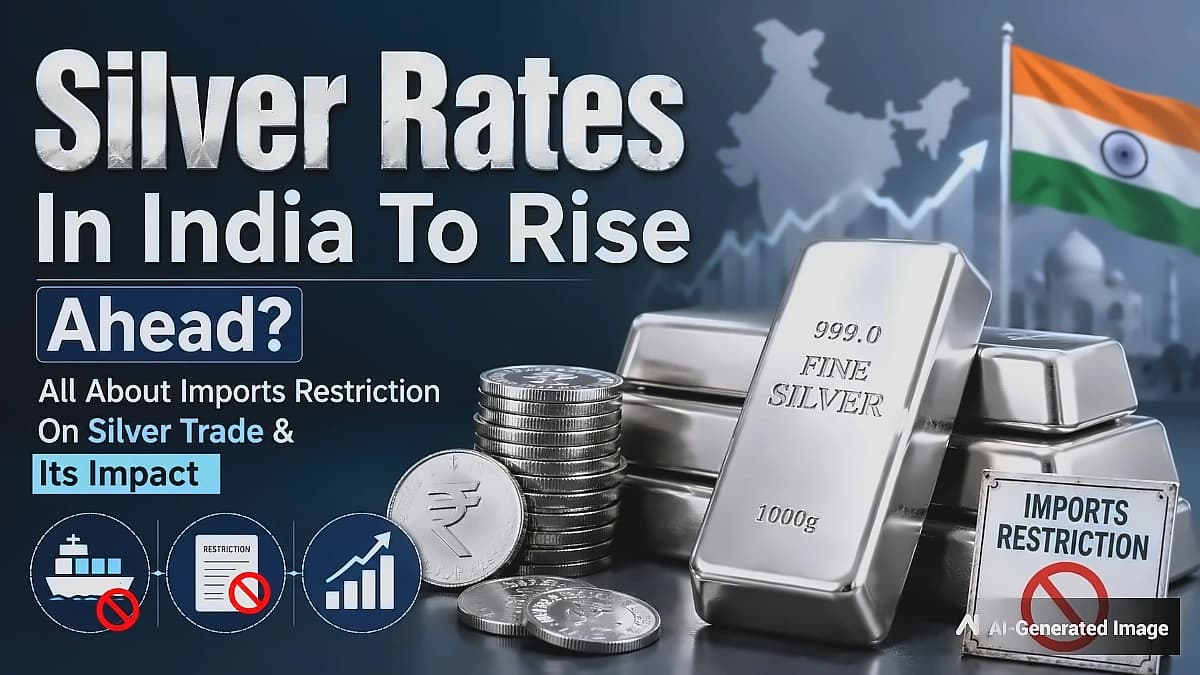
According to LKP Securities, Trivedi highlighted that two policy moves in three days point to forex management, with restricting silver imports easing immediate dollar outflow and reducing pressure on reserves. The exchange noted that it already accepts bullion bars from London Bullion Market Association-approved refiners and select UAE good delivery refiners for deliveries on its platform. The revised framework places strong emphasis on responsible sourcing and supply-chain traceability, with refiners required to track sourcing risks, maintain transaction records for at least three years, ensure payments move through official banking channels and comply with anti-money laundering rules. MCX emphasized that while consumers will see higher domestic prices and wider spreads, the bigger play is about protecting the external account, with silver being just the instrument while forex is the driver. As reported by The Times of India, officials have not yet provided detailed reasons for the latest restriction, but such measures are typically used to: curb excessive precious metal imports, manage the current account deficit, stabilise foreign exchange outflows and monitor trade practices involving bullion-linked products.