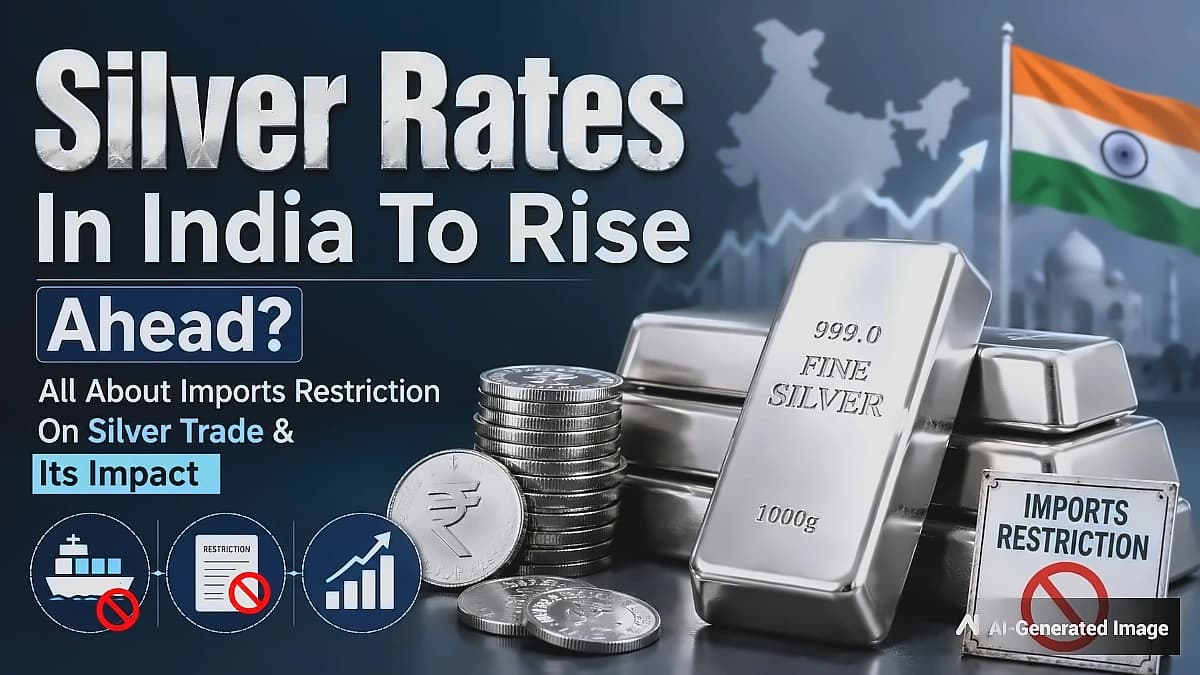
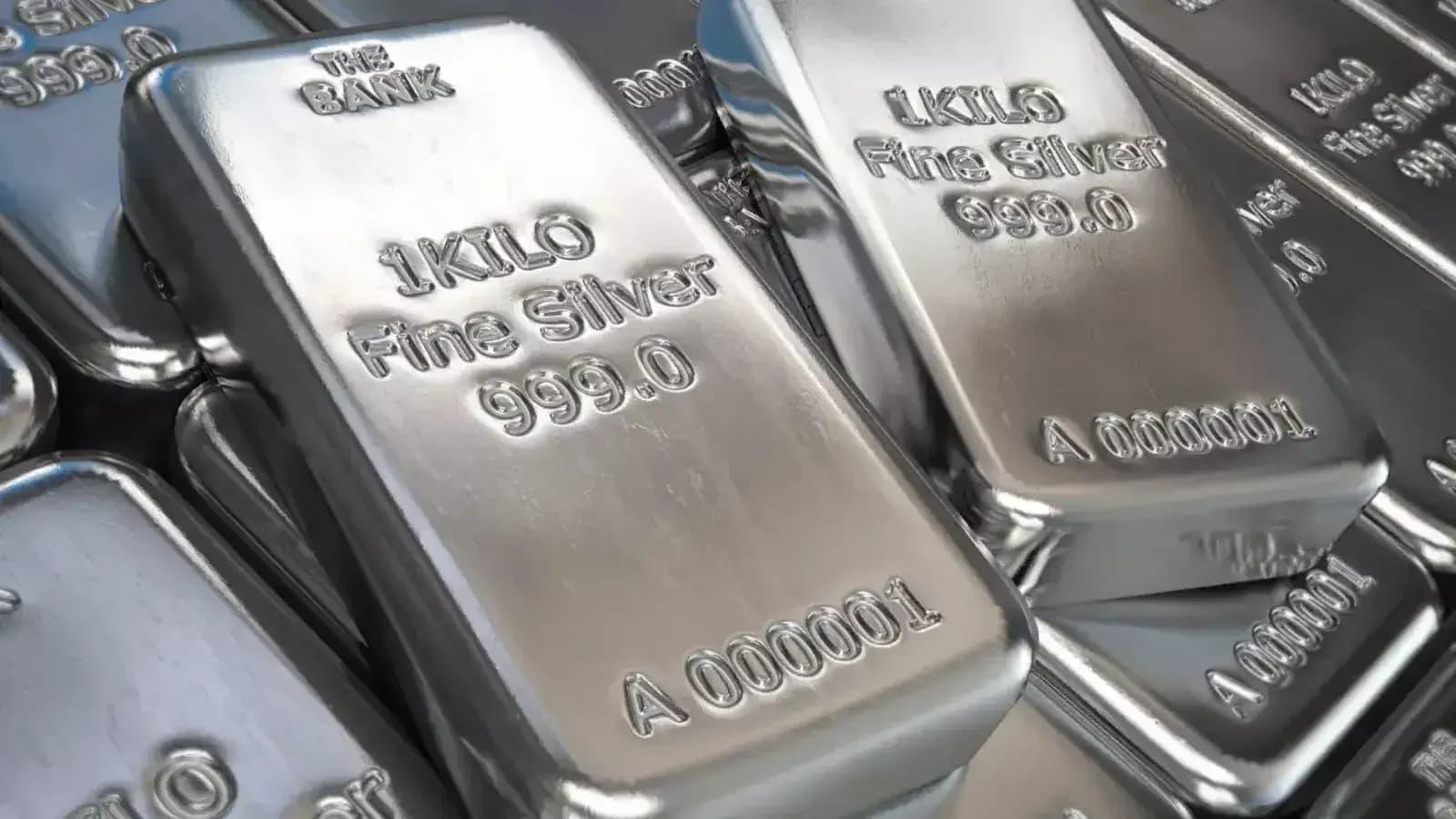
The government has reportedly imposed a 100-kilogram limit on gold imports, marking a significant shift from the previous policy of raising import duty to 15%. According to reports from DAR FOCUS, this new restriction has led to a sharp fall in gold prices in the domestic market. The policy change represents a more restrictive approach than the earlier measures that included raising customs duty on gold and silver imports to 15% from 6%, and on platinum to 15.4% from 6.4%. On Saturday, the government had notified that imports of bars containing silver up to 99% would now be in the restricted category if meant for domestic consumption, though silver imported for processing and value-added exports such as jewellery would continue to be unrestricted.
As of the latest developments, MCX gold futures for 5 June delivery were trading at ₹1,62,535 per 10 grams, representing a substantial 5.8% increase before the new import restrictions took effect. Silver futures for 3 July delivery reached ₹2,97,016 per kg, marking a 6.4% surge. However, following the announcement of the 100kg import limit, gold prices have experienced a sharp fall in the domestic market. According to DAR FOCUS, the developments are drawing strong attention from investors and bullion markets, with the market seeing a sharp reaction to the new import restrictions.
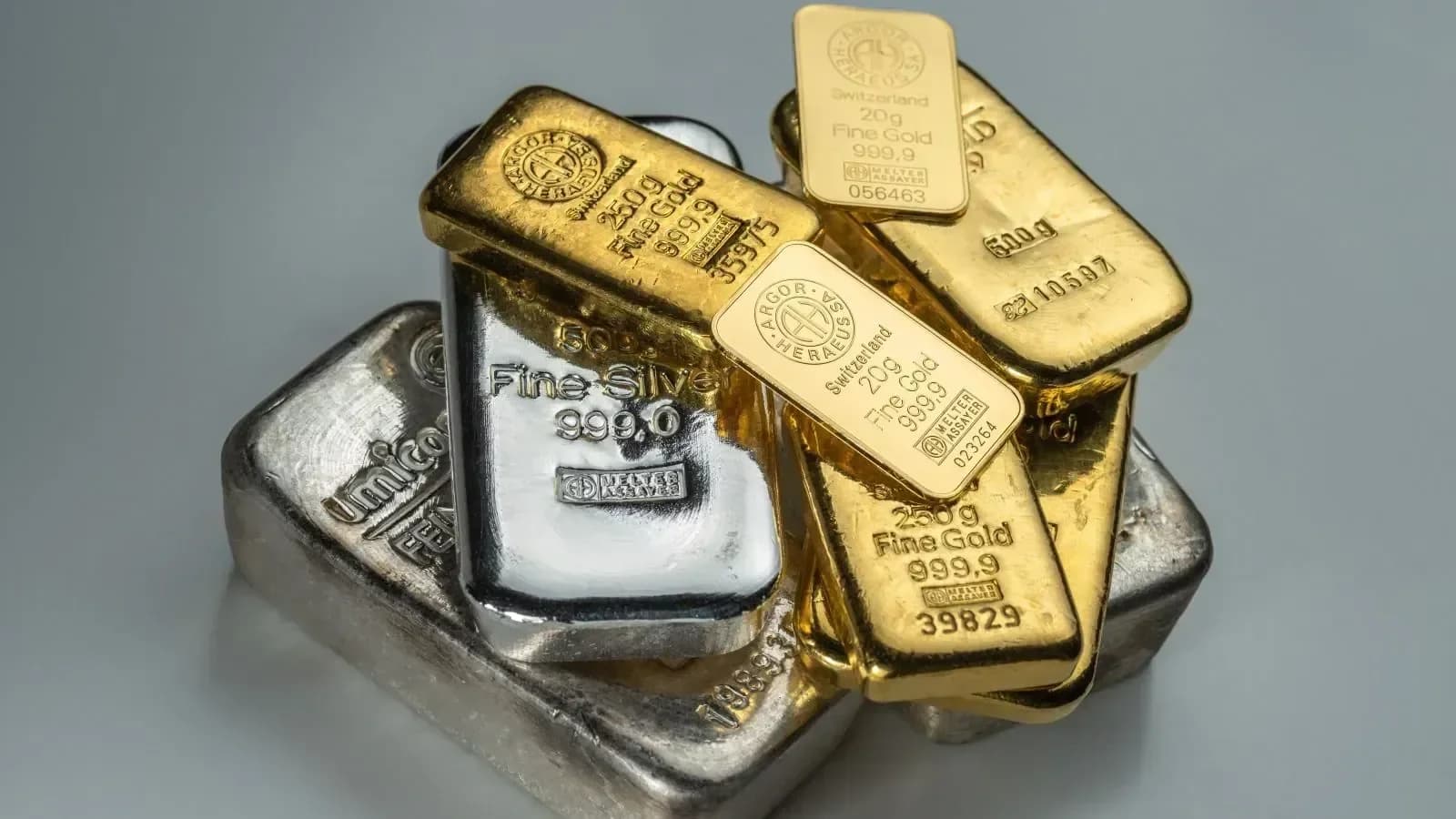
Financial experts are increasingly recommending alternatives like digital gold and Gold ETFs over physical gold investments due to the new import restrictions. As reported by DAR FOCUS, these alternatives offer convenient long-term investment options for investors seeking exposure to precious metals without the complications of physical import restrictions. The recommendation comes as the government's sequence of policy measures indicates intent to curb non-essential precious metal imports, with Viraj Didwania from Foresight Bullion noting these measures are good for the country and help conserve foreign exchange. Industry participants anticipate domestic prices could trade at a premium of $1.5 to $2 per ounce when markets reopen, as reported by Chirag Thakkar, director at Amrapali Gujarat.
The government's import restrictions are expected to tighten local availability and support higher prices, with market participants holding inventories likely to seek higher premiums as sourcing fresh silver for investment purposes becomes difficult. Many stockists are reluctant to sell immediately, anticipating higher prices ahead. India produces silver primarily as a by-product of zinc production, with four domestic refineries currently holding LBMA accreditation and capable of manufacturing bars eligible for ETF holdings. However, scaling up such supply could take time, and until such supply chains stabilise, silver exchange-traded funds may face sourcing challenges if investor demand rises sharply. The solar sector, which is a major consumer of silver paste, is expected to continue imports without disruption as India currently imports around 90% of its silver paste requirement, with domestic production accounting for less than 10%.
MCX gold futures have demonstrated strong technical breakout patterns, moving sharply above the key resistance zone of ₹154,934 on hourly charts. As reported by Upstox News Desk, the price is trading well above both the 20 and 50 moving averages, confirming bullish momentum. The ADX indicator stands above 40, indicating a strong trending move, though the risk-reward ratio for new long positions has become unfavorable following the sharp rise. The technical analysis suggests that while current trends show strength, investors should exercise caution given the recent sharp price movements and historical patterns of smuggling activity during high-duty periods. The data proves that once duties are reduced, as seen when they were cut to 6% in July 2024, smuggling incentives disappear and market dynamics stabilize.