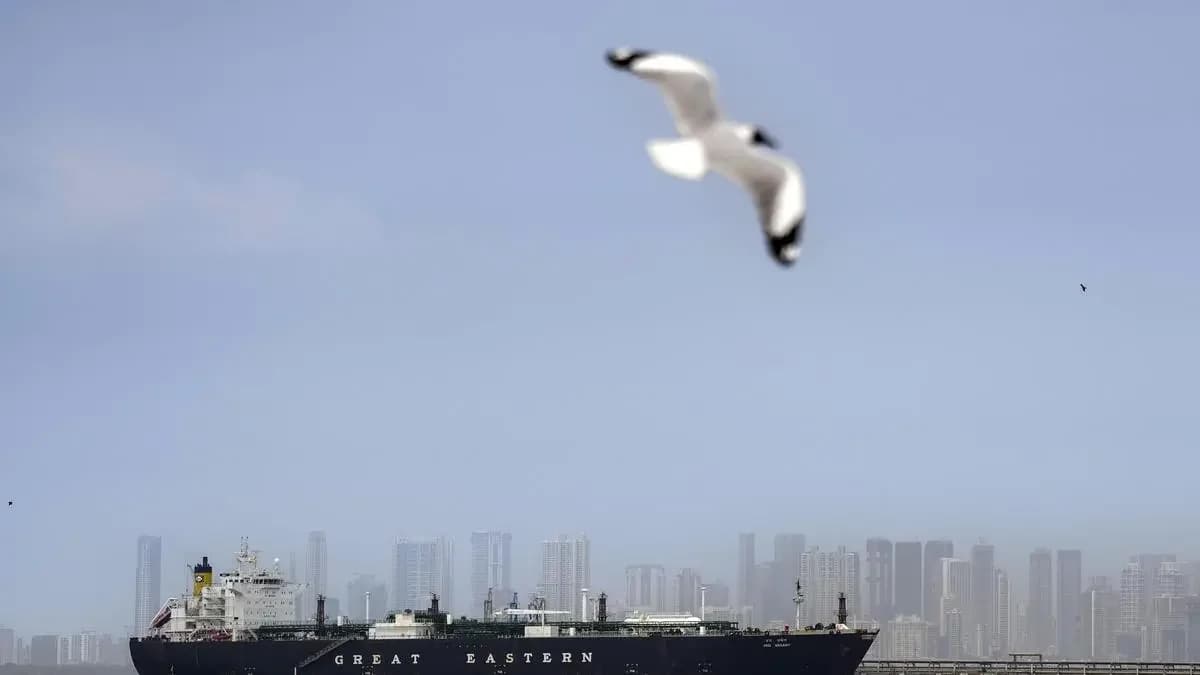
Indian refiners are scaling back purchases of Russian crude as Ukrainian attacks disrupt flows from the nation's top supplier. According to Kpler data, Russian crude imports are expected to fall to about 2 million barrels per day this month, down from a high of around 2.8 million barrels in July. Sumit Ritolia, senior manager at Kpler, explained that the decline reflects "some normalization after very strong crude-buying in recent months, lower Russian export availability and increasing competition from China." The global crude market is grappling with disruptions caused by conflicts between Moscow and Kyiv, as well as in West Asia, with Russia becoming India's dominant supplier after the war in Ukraine erupted in 2022. Flows from Russia to India are now expected to normalize above the 2-million-barrel-a-day level in the coming months, as reported by Business Standard.
India has dramatically increased its purchases of liquefied petroleum gas from the United States as geopolitical tensions disrupt traditional Gulf suppliers. According to data from maritime intelligence firm Kpler, India imported about 0.62 million tonnes of LPG from the United States in August, in addition to 0.89 million tonnes in July, accounting for more than 73% of the country's LPG imports. The July US volume was almost equal to the highest-ever monthly LPG import from the United Arab Emirates, India's traditional supplier, of 0.891 million tonnes in October 2025. This shift represents a significant departure from India's previous reliance on Middle Eastern suppliers, with UAE LPG imports falling to about 140,000 tonnes in August, while Qatar supplied around 60,000 tonnes, as reported by Kpler. The disruptions have been particularly severe, with Saudi Arabia supplying no LPG in July or August, highlighting the effective closure of the Strait of Hormuz after the Iran-US conflict.
Indian refiners are actively seeking alternative crude sources as Russian flows decline. Indian Oil Corp., the nation's largest refiner, recently issued tenders for supply from as far away as the Americas — a rare move — as well as another that mainly sought crudes from the Persian Gulf. Industry peers Hindustan Petroleum Corp. and Mangalore Refinery & Petrochemicals Ltd. also made snap purchases of non-Russian crude this week. Over the past four weeks, overseas shipments from Russia have fallen to about 3.5 million barrels per day from a high of over 4 million barrels per day in July, according to tanker-movement data compiled by Bloomberg. India was also competing with China for cut-price barrels, with October-loading cargoes of Sokol — which ship from Russia's east — bought unusually early, pointing to stronger forward demand and rising interest in available grades. As per The Hindu BusinessLine, India and China usually don't compete with each other for western and eastern Russian oil varieties, respectively, but the tightening market may shift that stance.
The Indian government has set ambitious production targets for oil companies to increase cooking gas output amid ongoing Middle East tensions. As per latest reports, companies are required to maintain adequate infrastructure for storing and transporting liquefied petroleum gas (LPG), either directly or through railways and road tankers, to meet specified quantities. The federal government will update these targets every January and July to reflect new production and additional output from existing refineries. India was previously buying about 90% of its cooking gas imports from the Middle East before the war on Iran disrupted supplies from March due to the blockade of the Strait of Hormuz.
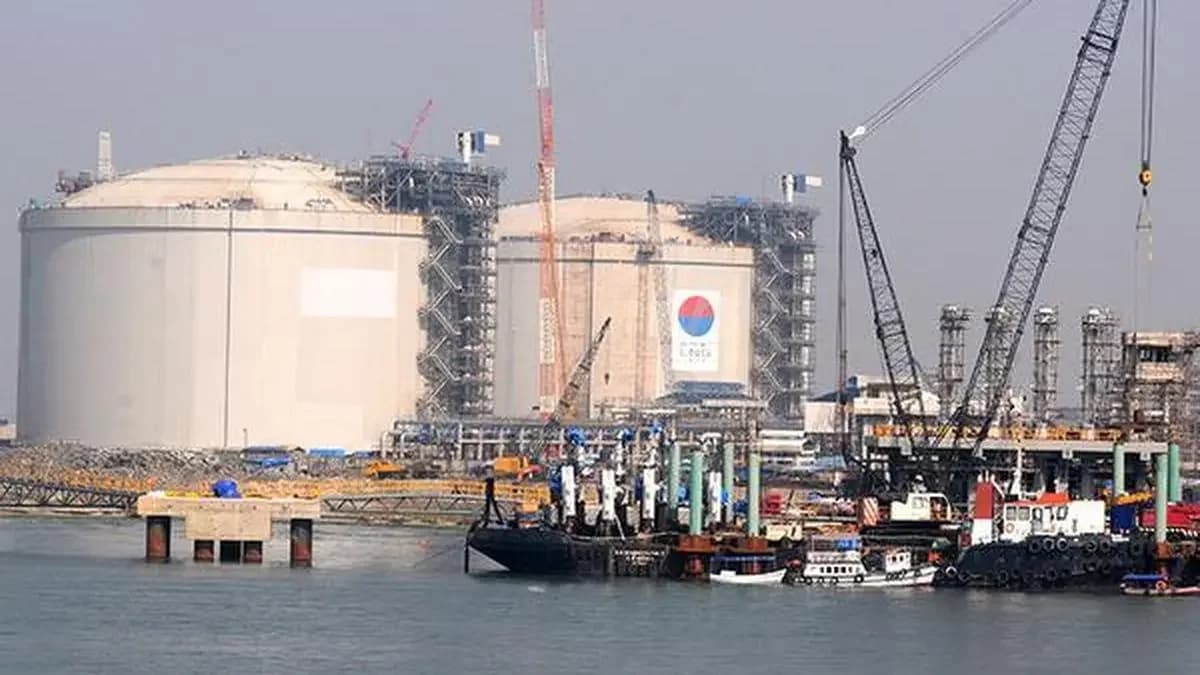
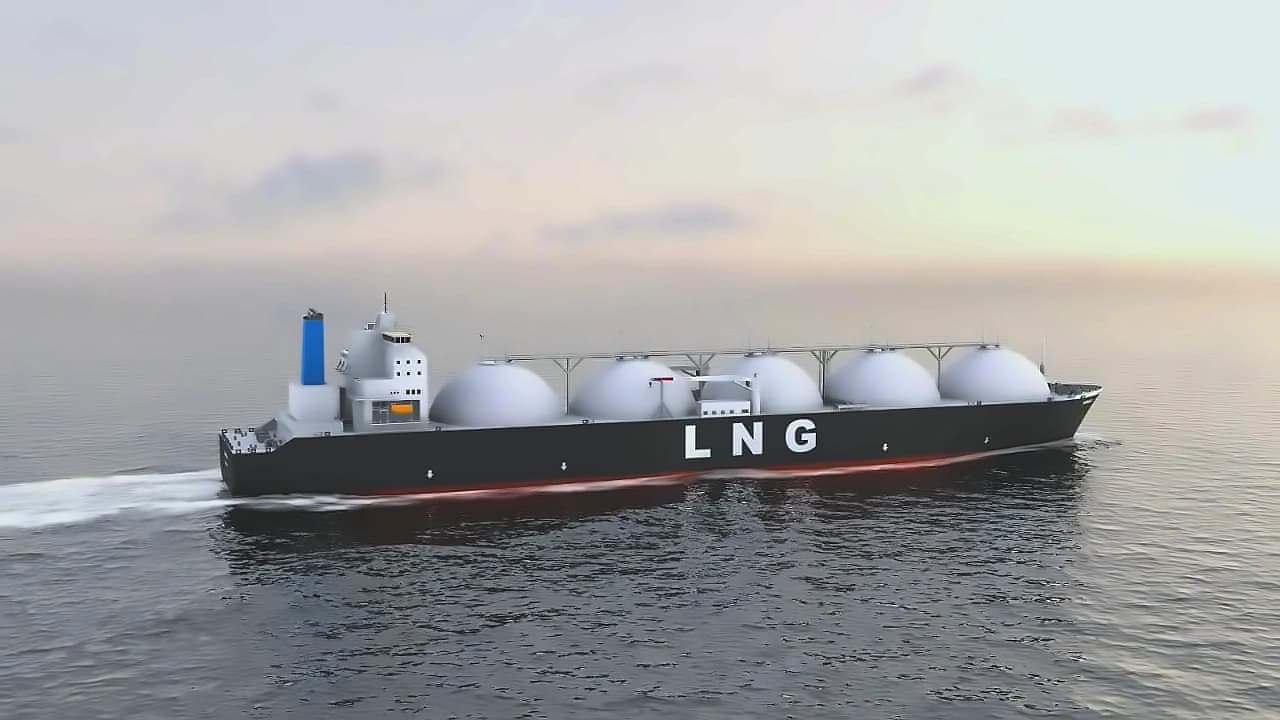
State-backed energy companies in India are paying some of the highest prices in years for liquefied natural gas on the spot market as the Iran war continues to disrupt supplies. According to reports from Bloomberg, Gail India Ltd., a state-run gas company, recently paid more than $23 per million British thermal units for a cargo to be delivered in September. India's Gujarat State Petroleum Corp. paid in the mid-$23 range per mmbtu for a September cargo, marking the most expensive LNG cargoes imported into the country since 2022. As per NDTV, these are the most expensive LNG cargoes imported into India since 2022, with the deals not being public.
The increased reliance on more distant suppliers is raising India's import costs significantly. As Ritolia from Kpler explained, "there is clearly an additional cost associated with replacing nearby Middle Eastern supply with cargoes from the US and other more distant origins. Freight is higher because of the significantly longer voyage, while tighter global availability has also raised the underlying commodity cost." He noted that India is effectively paying a premium for supply security and diversification, with the increase reflecting a combination of higher international prices, tighter Middle Eastern availability, freight and insurance costs, and longer supply routes. This represents a fundamental shift in India's energy procurement strategy as the country adapts to geopolitical disruptions.