India has emerged as a pivotal fuel supplier following the worst oil crisis in a generation, overtaking Saudi Arabia and the United Arab Emirates to become the top supplier of petrol, diesel and jet fuel to Kenya. According to energy economist Dr. Anas Alhajji at Elara Capital's Ashwamedh — Elara India Dialogue 2026, India was the only economy in Asia that fully recovered its oil imports after the shock and resumed exporting. While other big Asian economies stayed on the back foot, India kept moving forward, achieving what Alhajji describes as the 'refinery to the world' strategy that Indian policy has been pursuing for years. The scale of what India pulled off comes into focus against the backdrop of the crisis itself, where the country turned itself into a supplier the rest of the world could buy from.
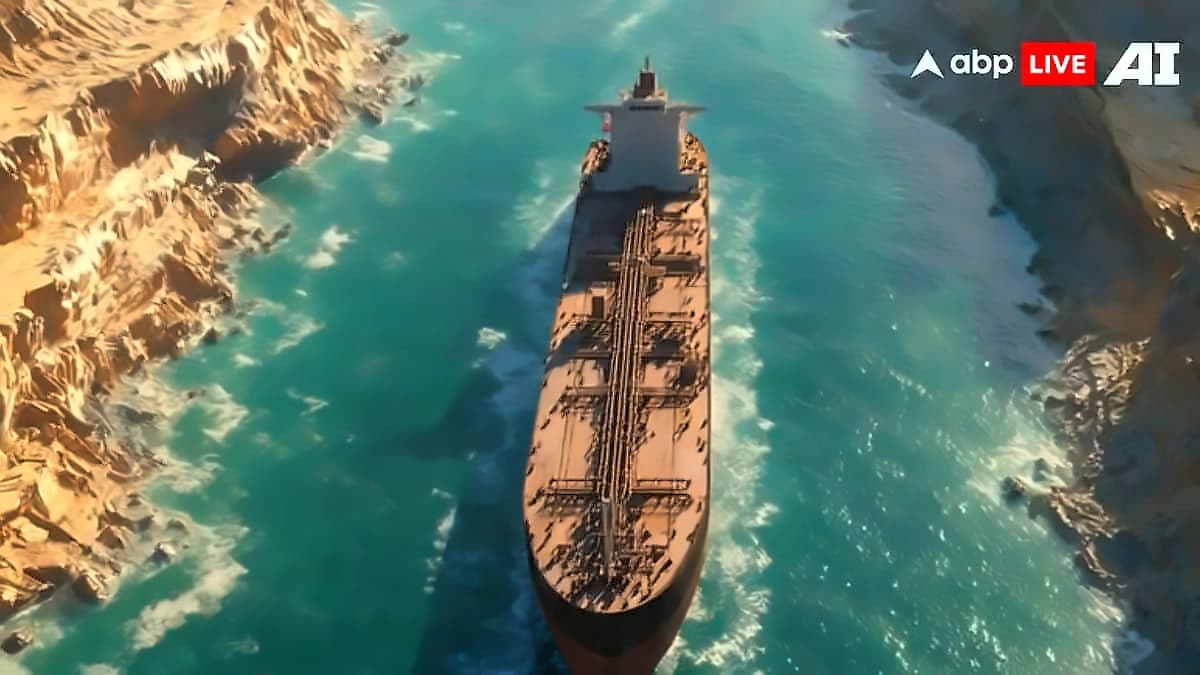
The crisis centered around the Strait of Hormuz, a narrow Gulf passage that carries roughly a fifth of the world's oil. As reported by Alhajji, the strait has been largely blocked since late February after a war with Iran shut it down, creating what he calls 'the biggest crisis of our lifetime'. The blockage affected not just oil but also helium for chip factories, fertilizer, and methanol used in cleaner fuels, all of which move through the same chokepoint. When it jams, prices jump and shortages spread far beyond the petrol pump, making the crisis a global supply disruption rather than just an oil problem. India kept its refineries running at full tilt and topped up its emergency stocks while the rest of the world struggled.
India's fuel exports to Africa climbed to their highest level ever during this period, demonstrating the country's ability to capitalize on the global supply disruption. According to Alhajji's analysis, this performance comes against the backdrop of the crisis itself, where the blocked strait has allowed India to profit by selling fuel to the rest of the world. The scale of India's achievement is particularly significant given the global nature of the oil supply disruption and the strategic importance of maintaining fuel availability during such crises.
Despite India's success, the country faces significant vulnerabilities in its energy supply chain. As reported by Alhajji, India leans heavily on Gulf sources for its fuel requirements, and the crisis has battered the Gulf economies it depends on. More critically, India's fertilizer plants run on Gulf gas, and a large share of global fertilizer trade moves through Hormuz, creating a paradox where the same blocked strait that has made India look strong also threatens it from another direction: India's fertilizer plants need that route open to grow its food. The much-hyped alternatives to Gulf oil, including US deals for Venezuelan oil, are found to be built around figures that describe oil still in the ground rather than actual pumpable volumes, with the realistic volume being a fraction of the headline figures and the crude itself being the wrong type for making petrol.
According to Alhajji's assessment, this kind of crisis is not a one-off event, and countries that come out ahead next time will be those that keep refining capacity running, diversify their supplier base, and store emergency oil well away from danger points. India has largely achieved this on instinct so far, but the task now is to turn that instinct into a planned strategy before the next shock tests it. The strait will eventually reopen, but the advantage India has stumbled into will not wait around forever, requiring systematic preparation for future energy supply challenges. The takeaway is that chokepoints like Hormuz can be squeezed again, and will be, making preparedness essential for maintaining India's strategic fuel advantage.