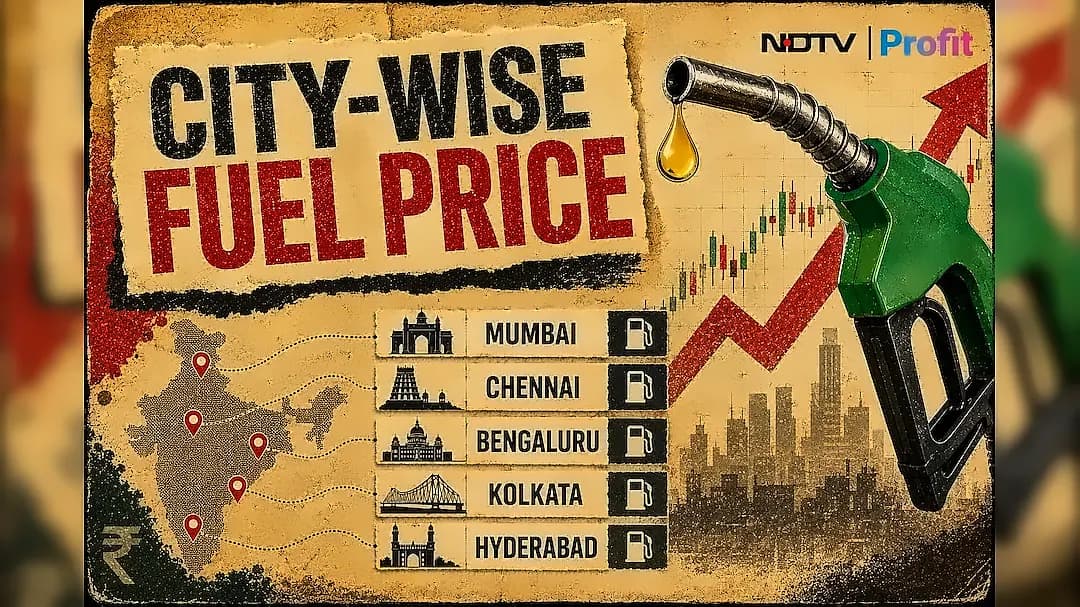
India's state-run oil marketing companies have incurred an estimated ₹30,000 crore in under-recoveries every month since mid-March as they maintained fuel supplies without raising retail prices during the Middle East crisis. According to sources with direct knowledge of the matter, Indian Oil Corporation Ltd (IOC), Bharat Petroleum Corporation Ltd (BPCL) and Hindustan Petroleum Corporation Ltd (HPCL) have kept petrol, diesel, LPG, aviation turbine fuel and other petroleum products flowing without price increases despite facing a more than 50 per cent surge in input costs. This loss would have been nearly ₹62,500 crore without government intervention, as the Centre cut excise duty on petrol and diesel by ₹10 per litre each. The under-recoveries - the gap between input costs and realised retail prices - rose sharply in March/April before tapering a bit, with daily under-recoveries during April estimated at about ₹18 per litre on petrol and ₹25 per litre on diesel, translating into average losses of ₹700-1,000 crore a day for OMCs. As per The Times of India, officials acknowledged that "oil companies are purchasing costlier oil and gas from the global market, but selling fuel at lower prices. It is impacting their finances."
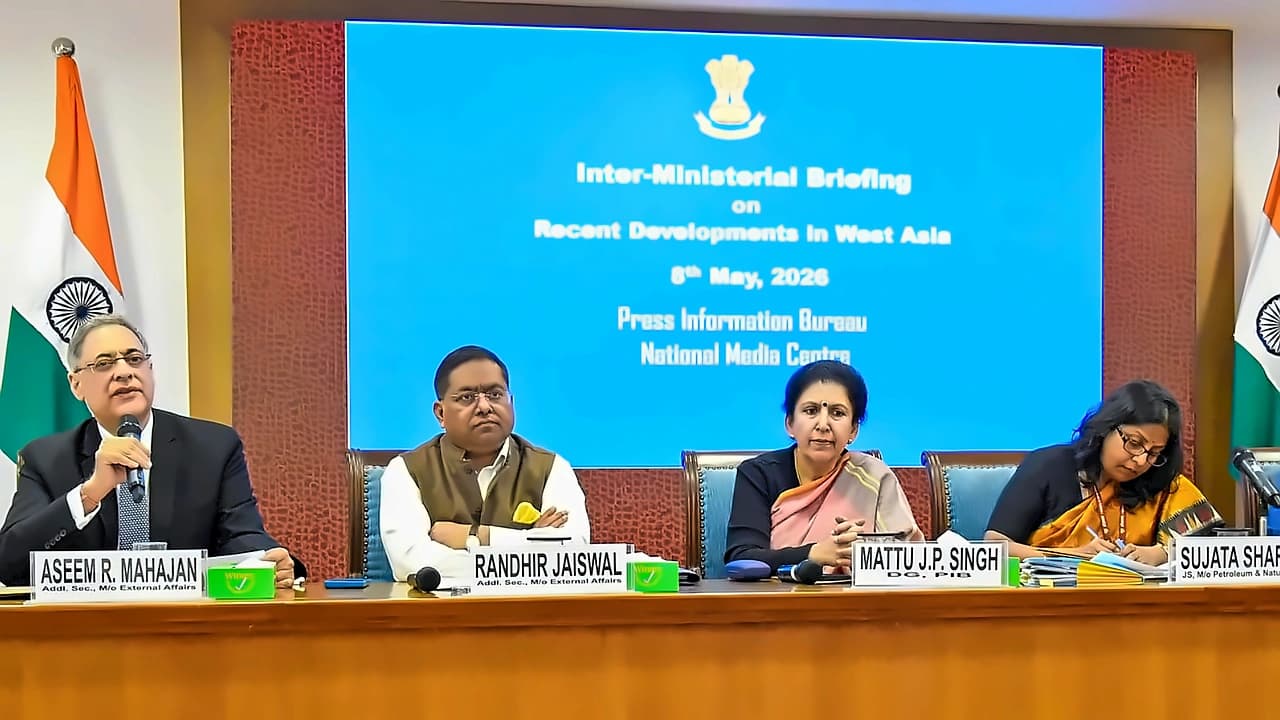
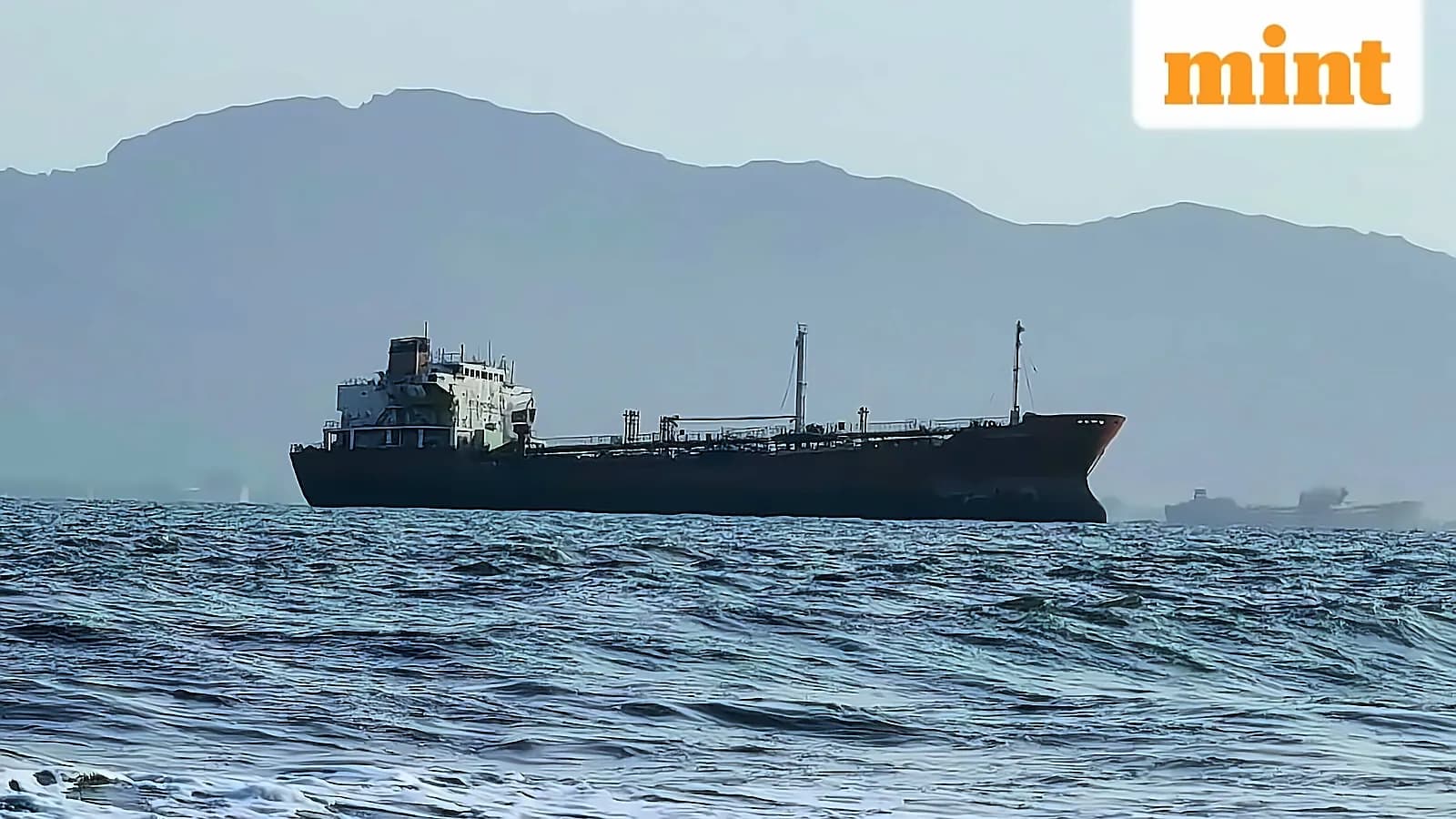
The Centre announced on Friday that India has successfully maintained stable fuel supplies and uninterrupted maritime operations despite the ongoing Middle East crisis. According to reports from The Times of India, this achievement comes as the conflict has sharply disrupted global energy markets and shipping routes through the Strait of Hormuz. The war disrupted India's import of 40 per cent of crude oil, 90 per cent cooking gas LPG and 65 per cent natural gas, but state-owned oil companies have maintained uninterrupted fuel supplies with no rationing or shortage at any point in the last 10 weeks. The companies' supply networks were stretched to the limit as panic buying triggered sharp spikes in demand after the war disrupted traffic through the Strait of Hormuz. As per The Times of India, tanker movement was disrupted and the companies faced additional costs from emergency crude sourcing, higher freight charges due to vessel diversions, elevated marine insurance premiums and refinery optimisation expenses.
The government's intervention included excise duty reductions and absorption of part of the fuel cost burden. The Centre's effective absorption at peak crude prices was estimated at around ₹24 per litre for petrol and ₹30 per litre for diesel. The special additional excise duty on petrol was cut to ₹3 per litre from ₹13, while excise duty on diesel was reduced to zero from ₹10 per litre. At a news briefing on West Asia developments, Sujata Sharma, Joint Secretary in the Ministry of Petroleum and Natural Gas, confirmed that the government has taken a hit of ₹14,000 crore a month in cutting the excise duty. Retail fuel prices in India have remained unchanged since February 28 despite the sharp rise in global crude prices. The February 28 strikes by the United States and Israel on Iran triggered a sharp escalation in West Asia tensions, with crude oil prices which were around USD 70 per barrel two months ago, now at USD 120. The cost of crude has been averaging $105.4 a barrel so far in May, with Brent crude hovering at nearly $100 a barrel on Friday, while the Indian oil basket was priced at $99.69 a barrel. As per The Times of India, officials warned that "losses were not sustainable indefinitely, especially amid projections that prices would remain elevated for at least four months even if a permanent ceasefire was announced now."
The escalating geopolitical tensions surrounding Iran are creating profound implications for India's economic stability, with crude oil prices directly threatening the Current Account Deficit (CAD) and exacerbating inflationary pressures. As per recent analysis, India's heavy reliance on imported crude oil, accounting for approximately 85% of total consumption, makes it particularly vulnerable to global energy price volatility. The surge in oil prices directly pressures India's CAD, a key indicator of external financial health, as the nation spends more on imports than it earns from exports. Additionally, elevated crude prices serve as a potent catalyst for domestic inflation, with rising fuel costs permeating through the entire supply chain and increasing the cost of nearly all goods and services. This inflationary spiral directly impacts the Reserve Bank of India's (RBI) monetary policy stance, as the central bank faces a difficult dilemma between combatting inflation through high interest rates or cutting rates to stimulate economic growth. For Indian markets, sustained high crude prices act as a significant drag, effectively functioning as a tax on consumption and squeezing corporate margins, particularly for companies with substantial energy-related operating expenses. Former BPCL CMD G Krishanakumar noted that "India is going to remain a fossil fuel-dependent economy till a very strong renewable energy base is created."