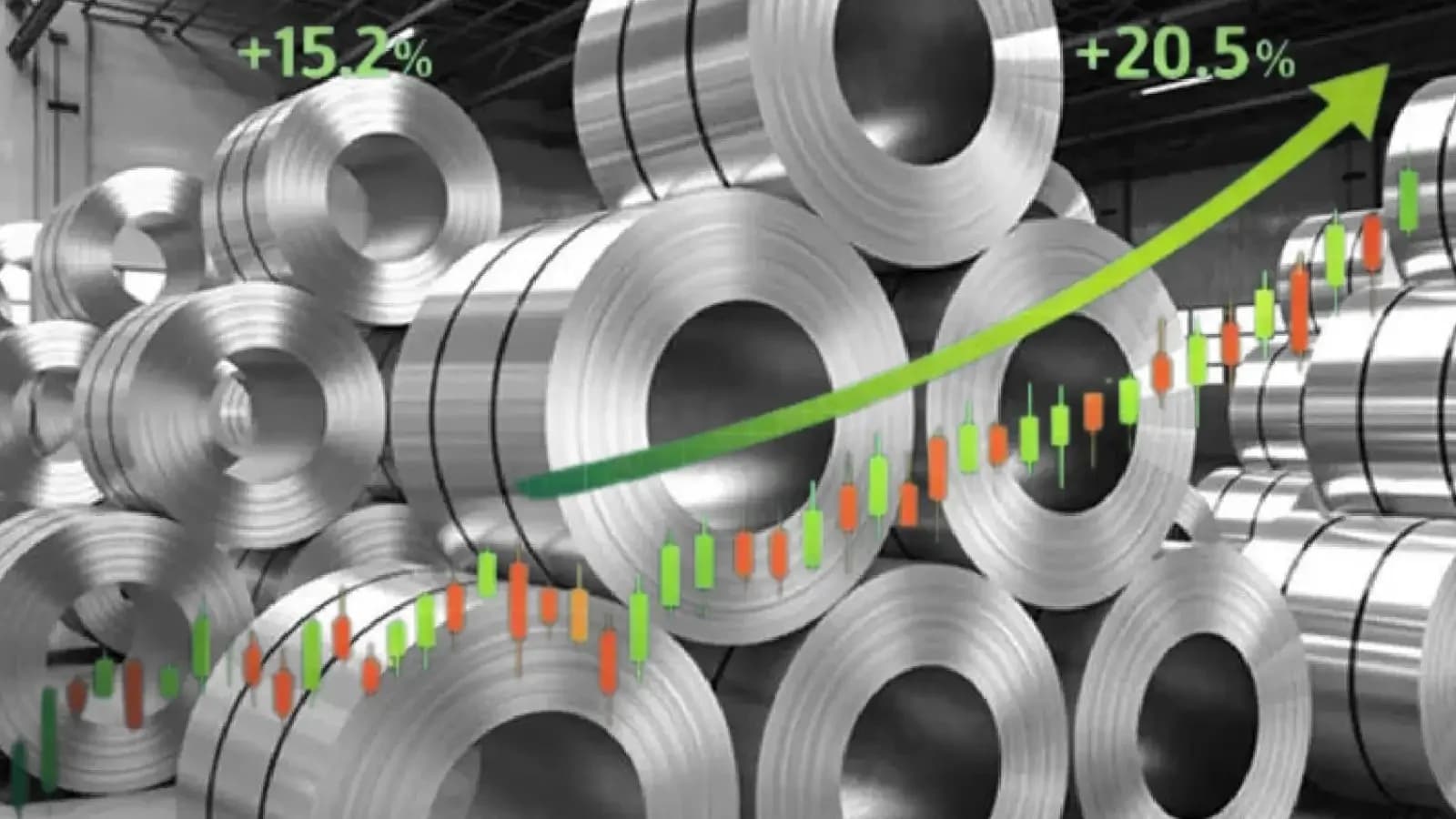
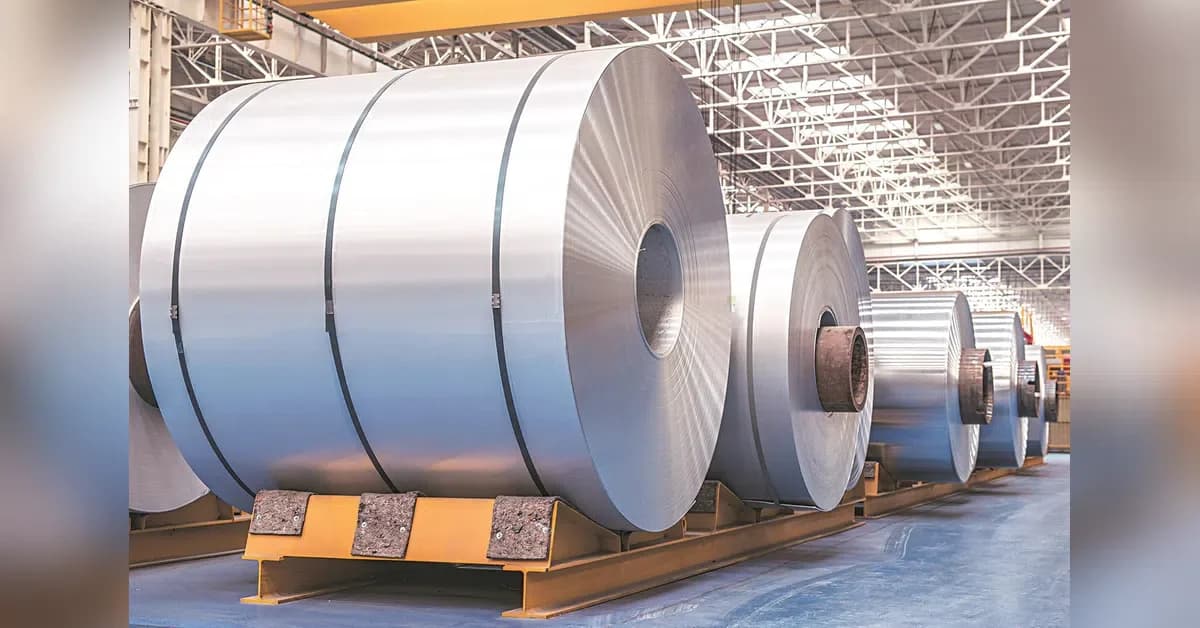
India has officially secured its position as the fastest-growing major steel producer globally, with crude steel production surging 11% year-on-year in March 2026, according to Goldman Sachs' latest Global Steel Market Barometer report. This acceleration from 10% year-to-date growth and 7% in February demonstrates India's strengthening position as a critical demand and production hub in the global steel ecosystem. The report highlights that India's steel sector continues to outperform most major global markets despite mixed trends across international steel industries. This performance stands out particularly against Japan and the Black Sea regions, which saw crude steel production decline by 4% and 3% year-on-year respectively, as reported by The Hindu BusinessLine.
India's technology sector is experiencing a dramatic transformation that could reshape its global investment profile. The I.T. sector's weight in the Nifty has dropped to just 8% today, down from 17% in 2022, according to Fully Opinionated analysis. This represents a 50% decline in market weight over four years as India's traditional back-office services model faces disruption from the artificial intelligence revolution. As Bloomberg reports, "India missed out on A.I. and now its run as market darling may be over," as global investors now chase chip manufacturing, A.I. infrastructure, and foundation models - sectors where India largely lacks presence. The warning comes as India's stock market faces risk of dropping out of the world's top 5 for the first time in 3 years, highlighting the urgency for strategic positioning in the next-generation technology sectors.
Tata Steel delivered exceptional Q4 results with consolidated net profit surging 147% year-on-year to ₹2,965 crore in the March-ended quarter, compared with ₹1,200 crore in the previous year, as reported by The Economic Times. The strong performance was driven by robust India operations and improving European business performance. However, the company flagged rising cost pressures from West Asia tensions and ongoing regulatory challenges in Europe that are impacting its overseas business. This exceptional profit growth demonstrates the strength of Tata Steel's domestic operations amid the broader global steel market recovery.
Global steel prices experienced significant increases across major markets in April and early May 2026, with Brazil leading at 10% month-on-month growth, followed by Japan at 6.5% and China at 2.9%, according to Goldman Sachs' report. On a year-to-date basis, Brazil's HRC steel price performance was the strongest at +21%, followed by the US at +15%, with other regions showing price increases ranging from 6%-13%. As reported by ANI, long steel prices also firmed in April, with Brazil recording a 12% rise in rebar prices, followed by Europe at 6.9% and the Black Sea region at 6.1%. These price movements coincide with significant geopolitical tensions, including the conflict in the Middle East, which has disrupted shipping routes, raised freight costs, and tightened scrap availability, impacting supply chains and increasing costs for buyers.
On the supply side, China's steel production continued to decline 3.2% year-on-year in the first two weeks of May, as reported by Goldman Sachs, with the report noting that while the anti-inflation effort and long-term capacity cut plan for the Chinese steel sector remain intact, there is delayed execution in 2026E in terms of both capacity and production discipline. China produced 87.0 million tonnes in March 2026, down 6.3% from the prior year. Despite these production issues, infrastructure investment in China has grown significantly by 8.9% year-on-year in the first quarter of 2026, providing crucial support for steel demand, especially as the property market remains weak. The World Steel Association predicts Chinese steel output to drop 1.5% year-on-year in 2026, though this contraction is slowing.
India's consistent growth in crude steel production is increasingly positioning the country as one of the most important drivers of future global steel demand, with industry experts citing strong infrastructure pipeline, expanding manufacturing activity, and robust domestic consumption as key drivers. The findings come as India continues to focus on large-scale infrastructure investments, urbanisation, automobile manufacturing and renewable energy projects, all expected to support long-term steel consumption growth. While China's delayed capacity cuts create ongoing supply pressure, potentially increasing price volatility, India's strategic pivot toward semiconductor manufacturing, exemplified by the Tata-ASML semiconductor deal signed in the Netherlands, represents the first real response to the AI infrastructure challenge. The World Steel Association predicts global demand will stabilize in 2026 with a modest 0.3% rise, followed by stronger 2.2% growth in 2027, suggesting a move from adjustment toward modest recovery.