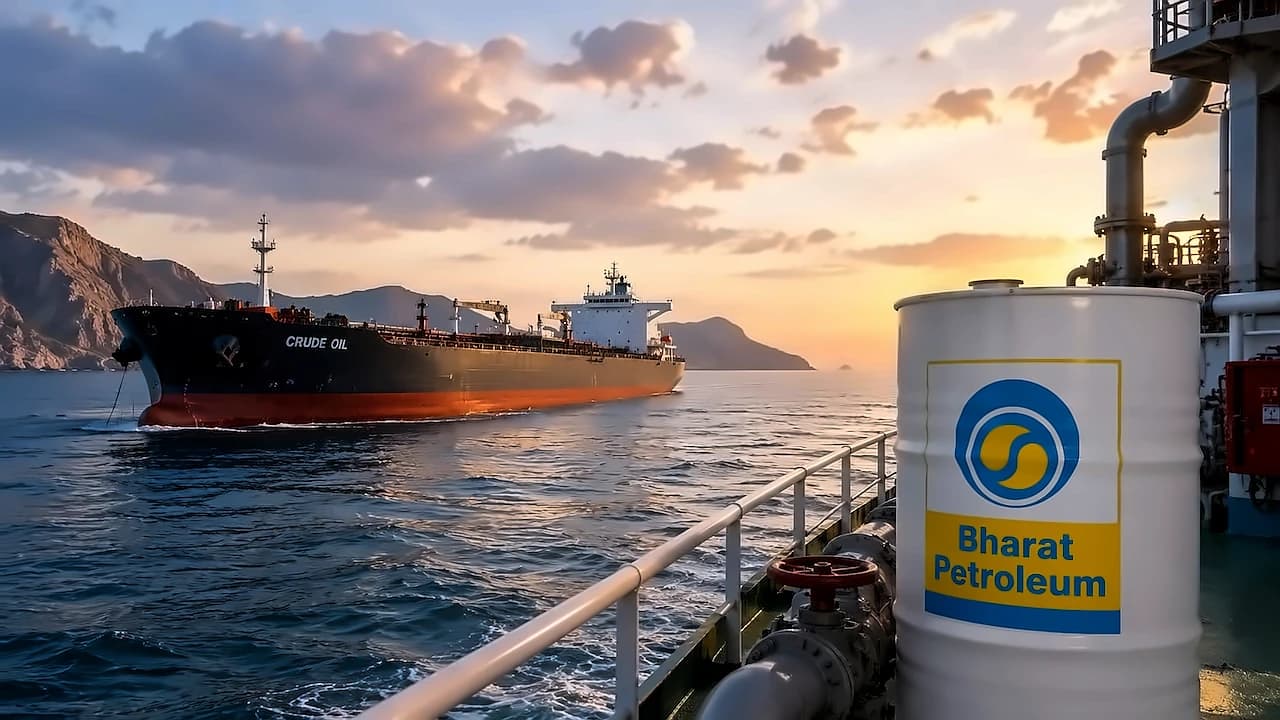
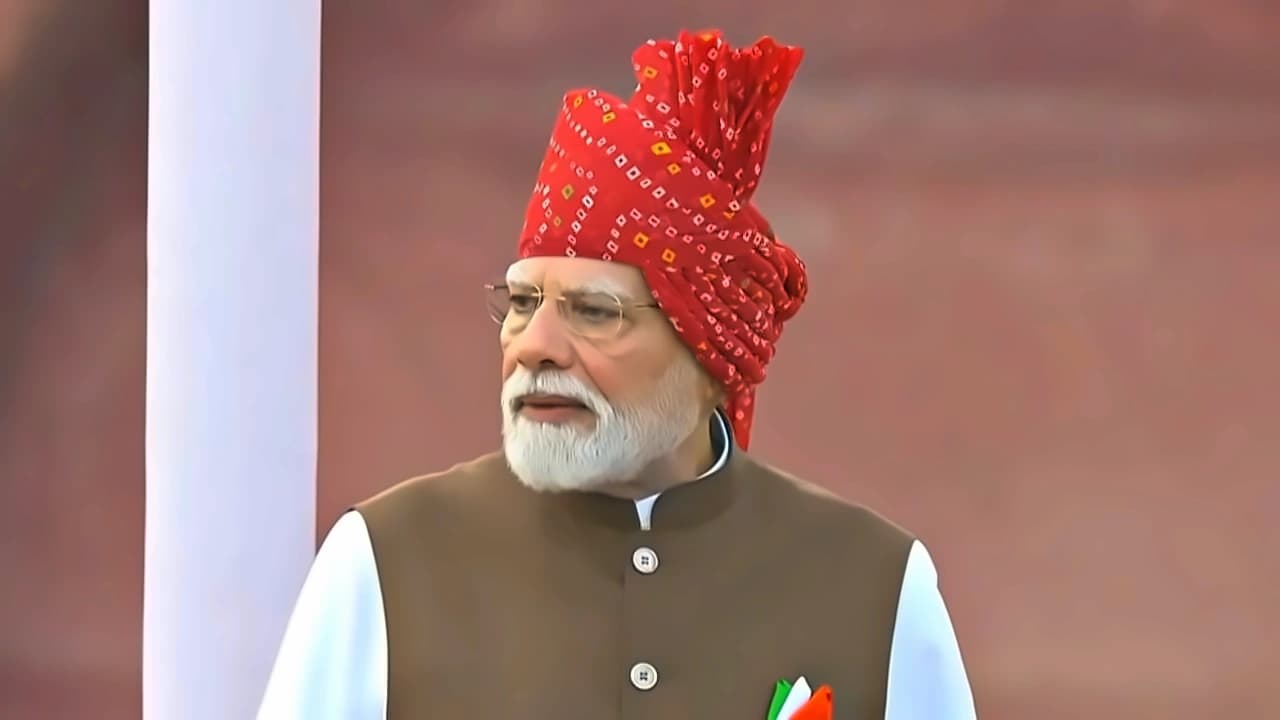
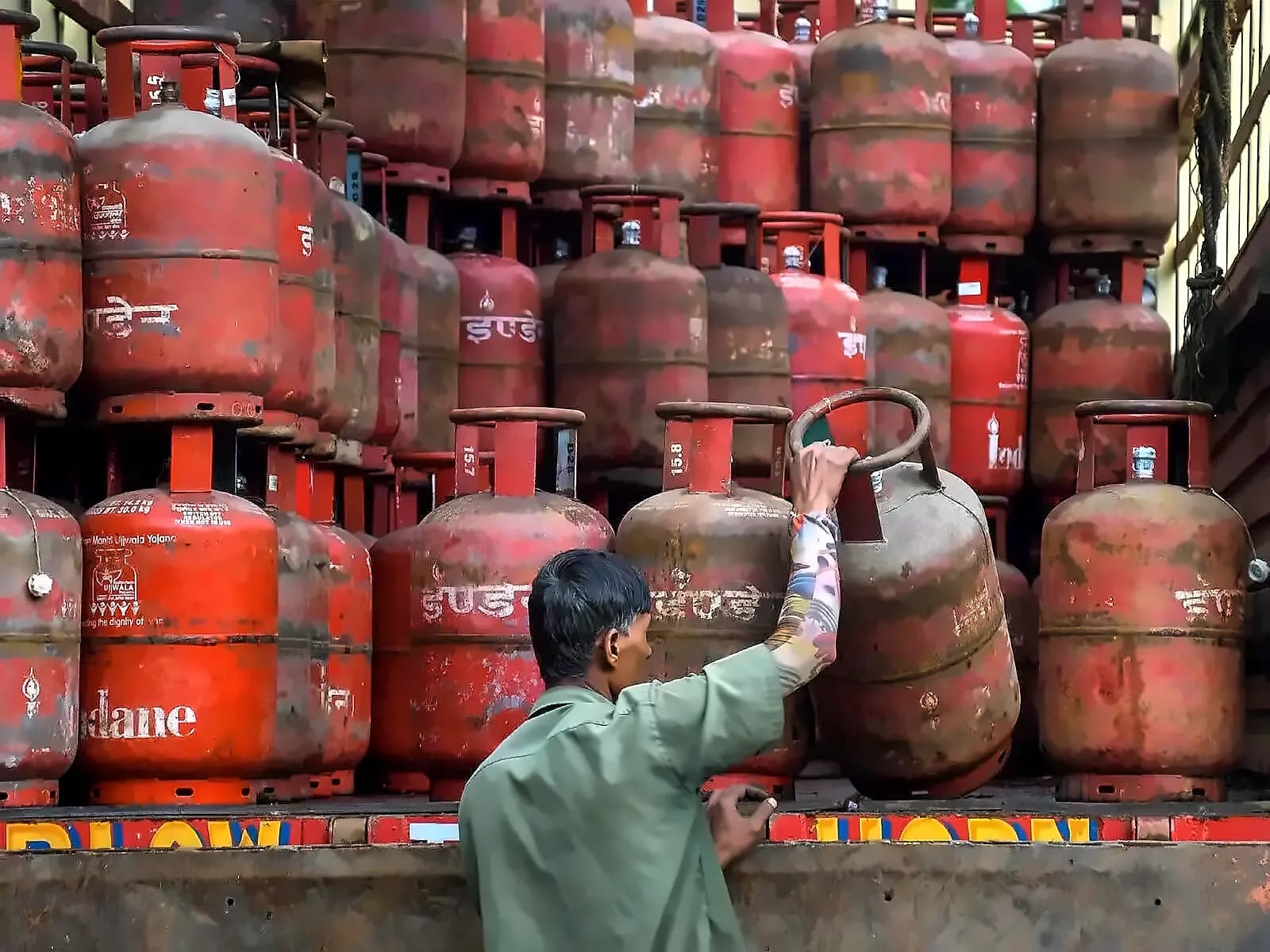
India has secured a significant energy partnership with the UAE following Prime Minister Modi's recent visit, with the Gulf nation agreeing to store up to 30 million barrels in India's Strategic Petroleum Reserve. As reported by Goanewshub, this landmark agreement represents a major boost to India's energy security infrastructure and demonstrates the strengthening bilateral energy cooperation between the two nations. The UAE's commitment to store crude oil in India's strategic reserves provides crucial backup capacity for the country's energy security, particularly as India continues its massive underwater survey initiative to reduce import dependence.
The Modi government has launched a massive underwater survey across lakhs of kilometers along the East Coast and Andaman region to tap hidden oil and gas reserves. According to recent reports, the survey covers Bengal & Mahanadi Basins: 45,000 LKM survey, Andaman Basin: 43,000 LKM survey (promising gas targets), and Cauvery Basin: 30,000 LKM survey. This initiative aims to significantly reduce India's 85% crude oil import dependence and boost overall energy security. The survey represents a comprehensive effort to identify and develop domestic hydrocarbon resources that could transform India's energy landscape.
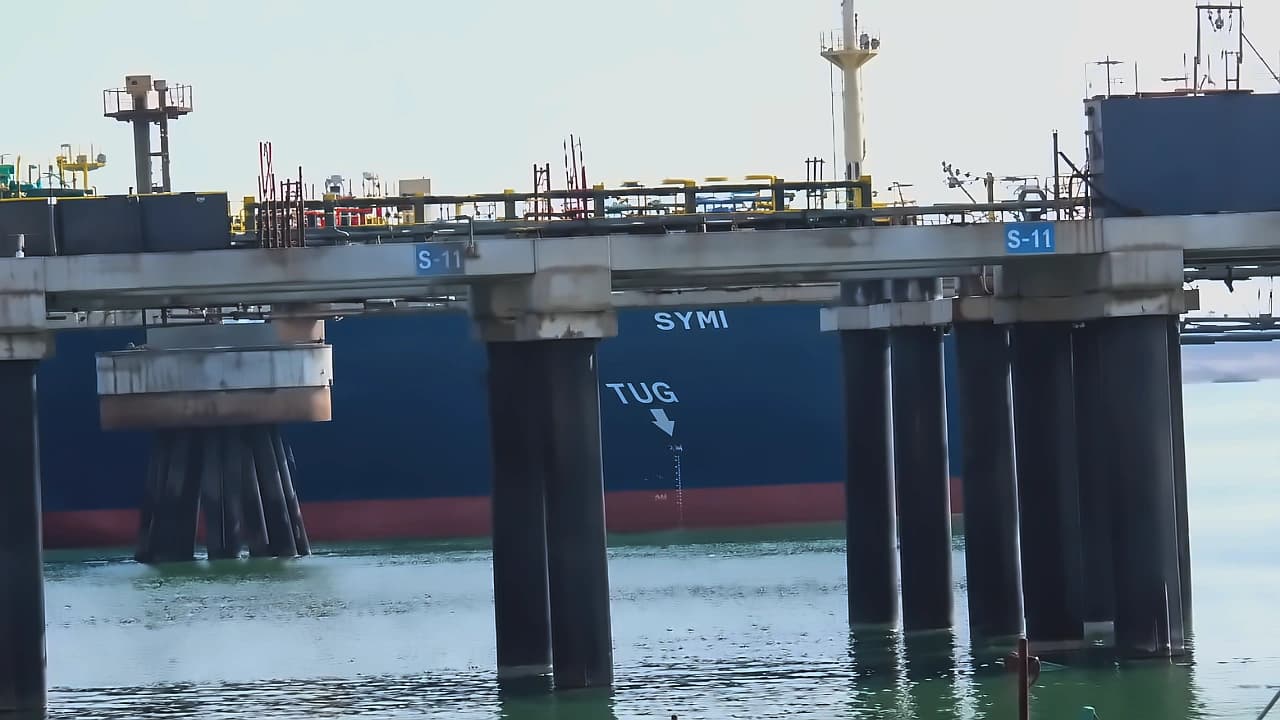
The Marshall Islands-flagged tanker Symi, an LPG carrier transporting nearly 20,000 tonnes of liquid propane and butane, has safely docked at Deendayal Port in Kandla. According to reports, the vessel crossed the Strait of Hormuz on May 13, marking another crucial movement of energy supplies through the key maritime route amid the ongoing Middle East crisis. The vessel has 21 crew members onboard, with eight Ukrainians and 13 Filipinos.
As reported by officials, Symi was the 11th LPG tanker to cross the Strait of Hormuz in the current monitored operations. These safe passages were made possible through close coordination between DG Shipping and the ministries of external affairs, defence, and petroleum and natural gas. The vessel's arrival demonstrates continued maritime energy supply operations despite ongoing geopolitical tensions in the region.
These shipments come at a time when global energy supplies have been under pressure due to the ongoing Middle East conflict. According to data from commodities analytics firm Kpler, India's crude reserves have shrunk sharply in recent months as the Strait of Hormuz has continued to see disruptions for over 75 days. The conflict began in February, with stockpiles dropping by nearly 15% during this period. The underwater survey initiative aims to address these supply chain vulnerabilities through domestic resource development, while the UAE storage agreement provides additional security measures. Data from Kpler estimates that India's total crude stockpile, including strategic petroleum reserves, refinery holdings and commercial storage, has fallen to 91 million barrels from 107 million barrels recorded at the end of February.