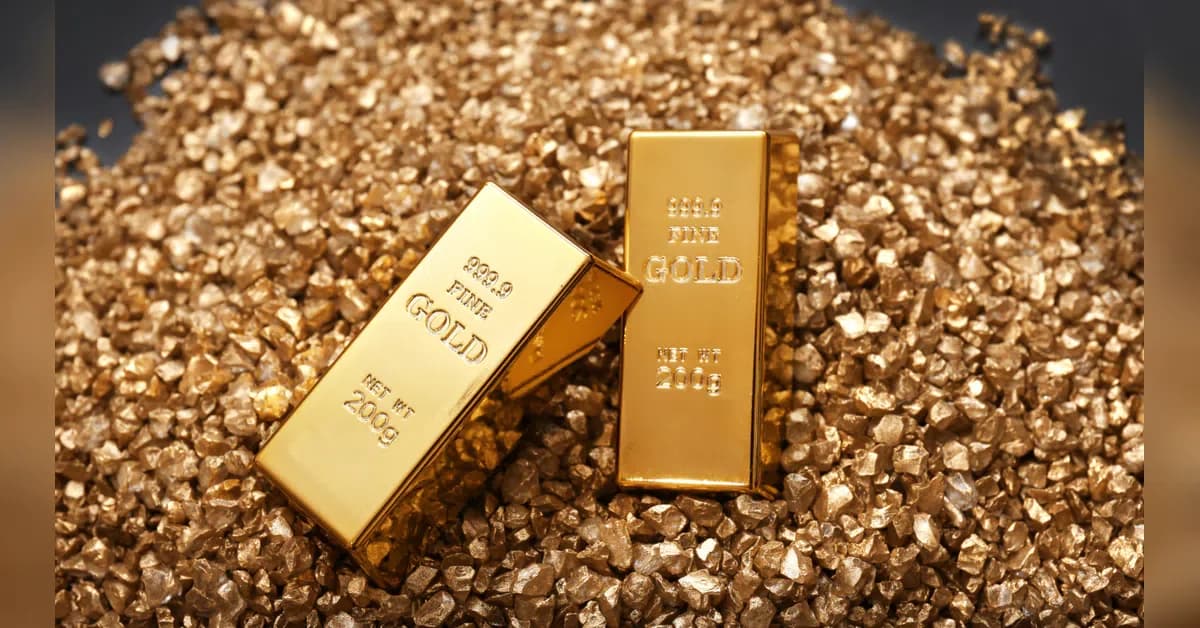
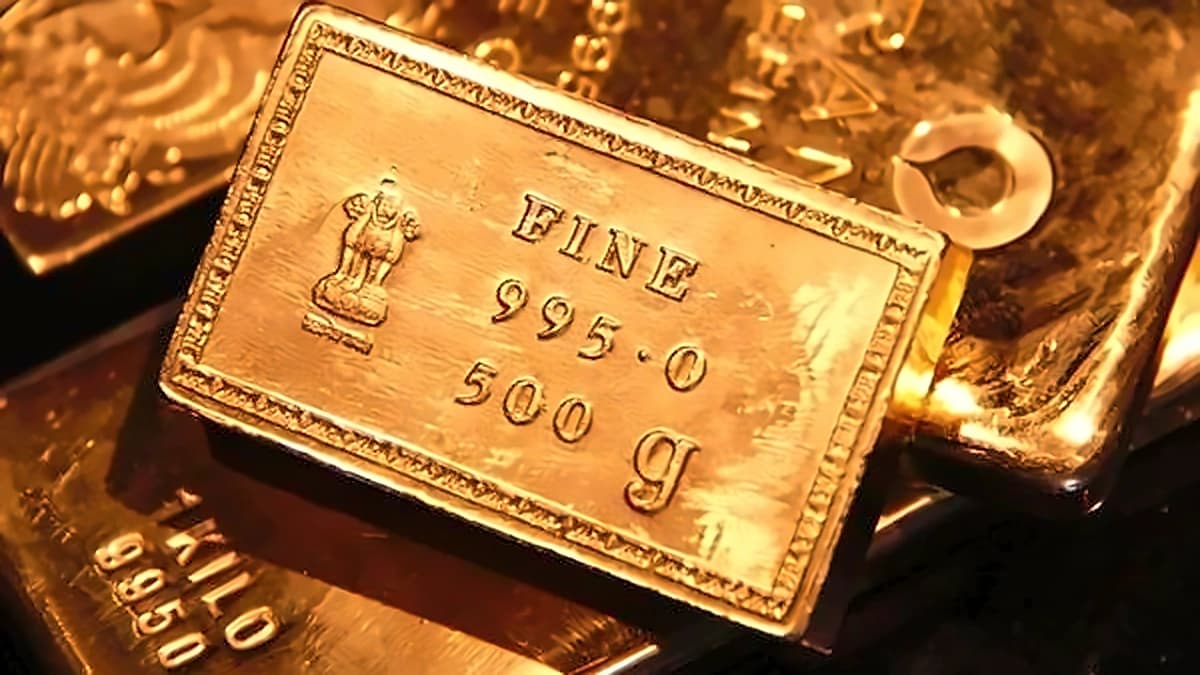
Physical gold demand in India improved modestly this week as a decline in prices encouraged some jewellery purchases, according to The Hindu BusinessLine and Business Standard. Gold prices in India dropped to their lowest since April 2 at ₹146,444 per 10 grams on Thursday, and were down 1.5% for the week so far. The correction prompted some buyers who had been waiting on the sidelines to return to the market. As reported by The Hindu BusinessLine, Chanda Venkatesh, Managing Director of Hyderabad-based bullion merchant CapsGold, noted that the recent price correction has brought back some buyers, particularly those purchasing jewellery. Jewelry shop owners in different parts of India have reported a noticeable increase in customer interest, with people once again looking at gold necklaces, rings, bracelets, and other ornaments. Many families planning weddings, celebrations, and special occasions who had postponed purchases because they hoped prices would come down are now returning to the market.
The improvement in demand was also reflected in dealer discounts, with gold offered at discounts of up to $35 an ounce over official domestic prices, compared with discounts of as much as $87 an ounce a week earlier, according to The Hindu BusinessLine and Business Standard. However, trade participants said buying activity remains cautious despite some restocking by jewellers. A Mumbai-based bullion dealer quoted by The Hindu BusinessLine said purchases are still measured as retailers remain uncertain about consumer demand in the coming months. The discount structure reflects the current market dynamics where buyers are returning to the market after the recent price correction. For many weeks, high gold prices made people think twice before spending money on jewelry and gold investments, but now that gold has become a little more affordable, many of those buyers are returning to the market.
India, the world's second-largest gold consumer, last month increased import duties on gold and silver to 15% from 6% as part of measures aimed at reducing pressure on foreign exchange reserves amid elevated crude oil prices, as reported by The Hindu BusinessLine and Business Standard. Higher import duties and a sharp rise in domestic prices also contributed to investor profit-booking. Additionally, physically backed gold exchange-traded funds (ETFs) in India recorded their first monthly net outflow in a year in May, according to The Hindu BusinessLine. The outflow reflects investor response to the policy changes and the sharp price increases that followed. However, the recent price correction is helping to bring back some buyers who had been waiting for more affordable prices.
In China, the world's largest gold consumer, premiums narrowed to between $1 and $5 an ounce over global benchmark prices, compared with premiums of $7 to $10 an ounce last week, according to The Hindu BusinessLine and Business Standard. Peter Fung, Head of Dealing at Wing Fung Precious Metals, told The Hindu BusinessLine that the $4,000 mark for gold was a good support level, and hence we can see some fresh buying interest. Meanwhile, China's central bank increased its gold reserves for a 19th consecutive month in May, according to data from the People's Bank of China cited by The Hindu BusinessLine. The narrowing of premiums usually means that demand and supply are becoming more balanced, with buyers becoming more cautious or enough gold being available to meet demand.
Elsewhere in Asia, gold traded between par and a $1.90 premium in Hong Kong, at a discount of about $0.50 in Japan, and between a discount of $0.50 and a premium of $2 in Singapore, as reported by The Hindu BusinessLine and Business Standard. Spot gold hit a more than six-month low of $4,022.29 on Thursday before closing higher, and is on track for a weekly loss. The mixed regional trading patterns reflect varied demand conditions across different markets, with India showing increased demand while China maintains premium pricing despite easing conditions. Many traders and market analysts are keeping a close watch on developments in both India and China because these two countries play a major role in global gold consumption. Their buying patterns can affect international prices and overall market trends. Experts believe future demand will depend on how prices move in the coming months, with seasonal events, weddings, and festivals expected to support demand throughout the year.