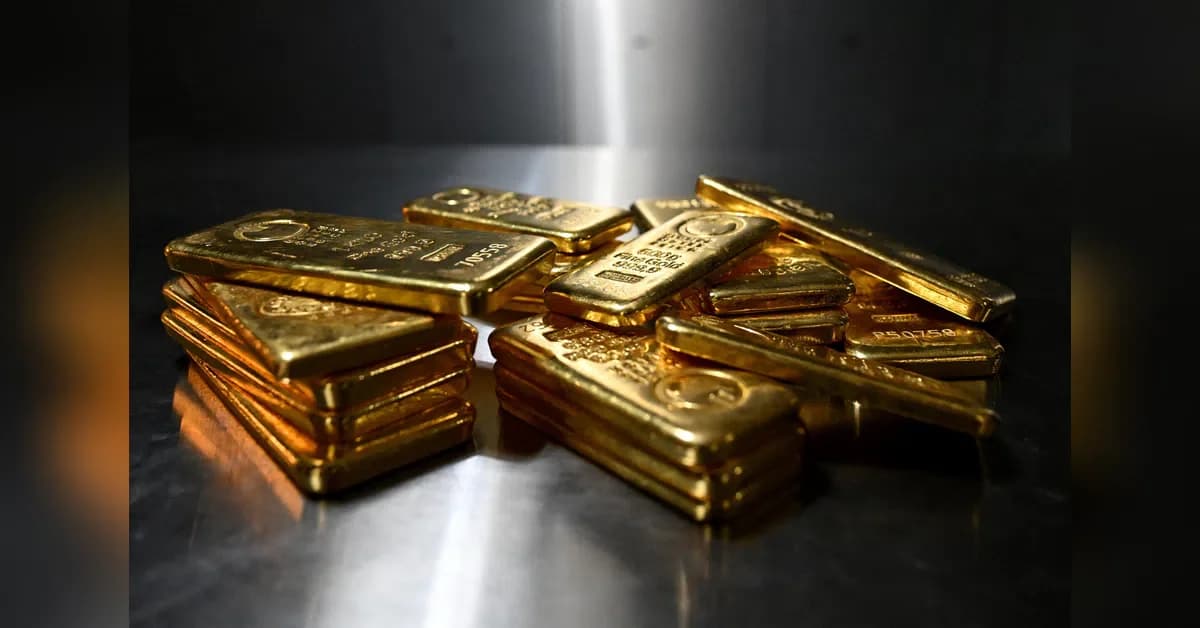
Gold prices increased 1% Wednesday as the oil market was pressured by hopes of a resolution in the Iran conflict, helping to ease inflation concerns and push U.S. Treasury yields down from recent highs. According to latest reports, gold spot rose 1.1%, to $4,531.9 per ounce at 14:10 pm ET, while U.S. Gold Futures for June Delivery settled at $4,535.30, up 0.1%. Earlier in the session, prices had fallen to their lowest levels in over seven weeks, but the recent recovery reflects changing market dynamics as investors respond to geopolitical developments.
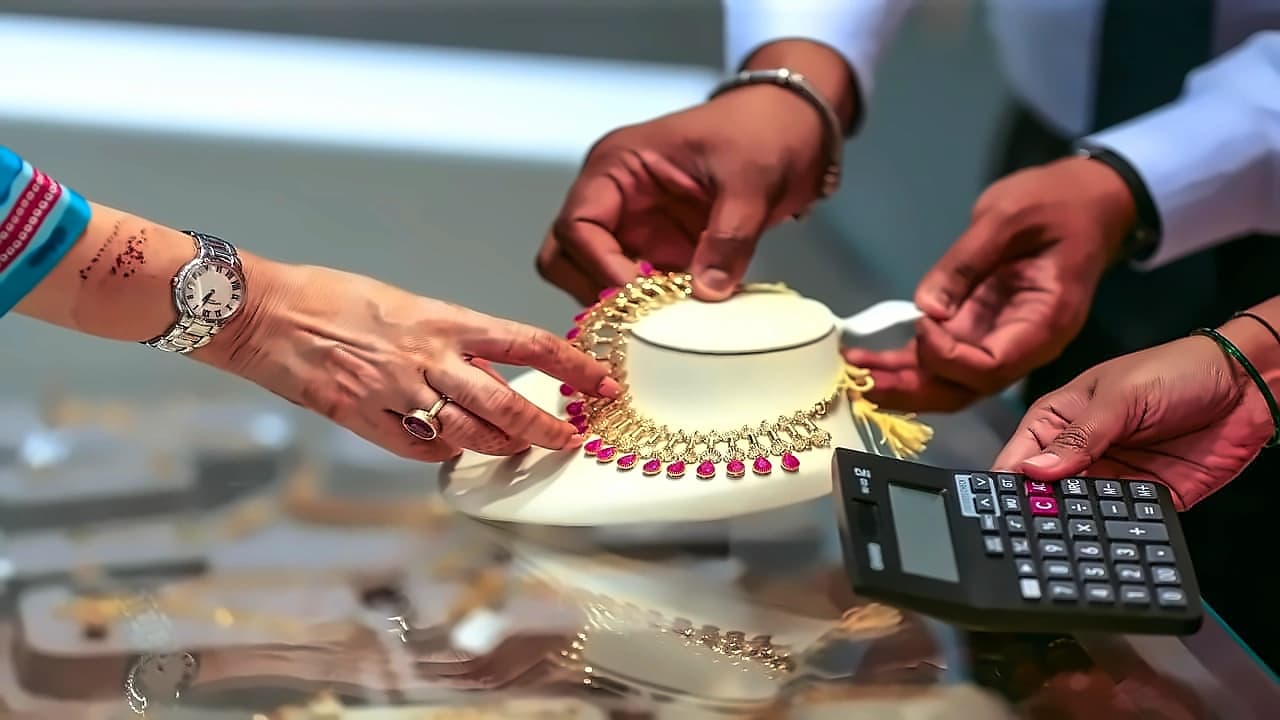
At Dariba Kalan, one of Delhi's oldest and busiest jewellery markets, the mood has turned cautious as customers walk into stores but many leave without buying. According to reports from Moneycontrol, customers are spending hours comparing prices, exchanging old jewellery or shifting to lighter designs. Gaurav Gupta, owner of Radhey Kishan Gopal Kishan Jewellers and treasurer of the Dariba Kalan Market Association, stated that demand for both jewellery and coins has gone down by over 50 percent and is expected to fall further as prices continue on their upward trajectory.
The slowdown at Dariba reflects a broader trend across India's jewellery industry after the government raised customs duty on gold imports to 15 percent from 6 percent last week, even as global prices continued to rally. As reported by Moneycontrol, on May 21, 24-carat gold price in Delhi climbed to nearly ₹1.58 lakh for 10 grams, intensifying concerns around affordability and discretionary spending. Almost two weeks after Prime Minister Narendra Modi urged citizens to postpone non-essential gold purchases amid geopolitical uncertainty and pressure on the economy, jewellers across the country are beginning to report softer footfalls and weaker conversion rates.
According to Senco Gold managing director and CEO Suvankar Sen, footfalls across the company's 190 stores have moderated as customers closely track price movements before making purchases. As reported by Moneycontrol, there has been some moderation in discretionary walk-ins, especially from consumers who are closely tracking price movements and waiting for stability before making larger purchases. The company is also seeing customers spending more time evaluating value, comparing designs, and exploring exchange options before finalising purchases. Need-based buying has increasingly replaced impulse purchases, even among customers buying gold as an investment.
Titan Company, which operates the Tanishq jewellery chain, is witnessing changing consumption patterns with its old-gold exchange programme gaining traction. According to Moneycontrol, over 4.4 lakh customers have exchanged more than 10,000 kg of gold under the programme in the last eight months. At Senco Gold, recycled and exchange-led purchases now contribute nearly 50 percent of the company's overall business. The surge in prices is also pushing customers towards lower-carat jewellery and lighter products, with the 18-kt, 14-kt and 9-kt segments seeing healthy traction.
Despite near-term pressure, jewellery retailers remain optimistic about structural demand, particularly with weddings and festivals continuing to anchor consumption. As reported by Moneycontrol, wedding demand itself remains resilient because these purchases are culturally significant and emotionally driven. Industry watchers said jewellery makers are likely to step up launches of lower-carat products to counter the demand slowdown and bring down ticket sizes for customers. This could include a sharper push into 18-carat, 14-carat and 9-carat jewellery, allowing consumers to continue buying gold-led products at more affordable price points.