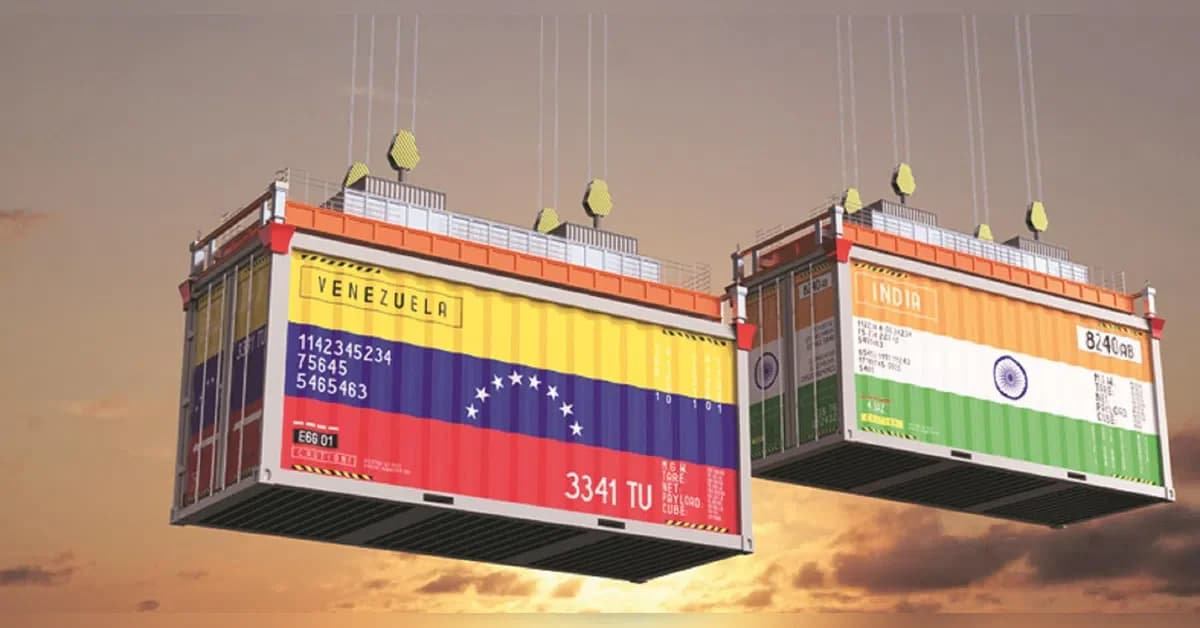
India is rapidly emerging as a crucial 'swing supplier' in global refined oil product markets, with Singapore becoming India's largest refined-product export destination at $4.3 billion, followed by Tanzania at $2.2 billion and the Netherlands at $2 billion. According to The Times of India, this transformation is primarily driven by the ongoing Middle East crisis, which has disrupted traditional supply chains and created new opportunities for Indian refiners. The country's oil-product exports now account for a much larger share of exports to several destinations, with Italy and Spain among the fastest-growing markets alongside Singapore and Tanzania overtaking traditional buyers.
India's refining sector is undergoing significant expansion, with refining capacity expected to increase from 258.1 million tonnes to about 309.5 million tonnes. As reported by The Times of India, India ranks as the fourth-largest refining centre globally after the US, China and Russia, with about 258.1 million tonnes of installed refining capacity across 23 refineries. The sector is undergoing a structural shift, with capacity expected to increase by 800 thousand barrels per stream day by 2028. The start-up of the Barmer refinery and upcoming upgrades at state-owned refineries will strengthen India's position as a major petroleum-product exporter.
India's refining export advantage remains closely tied to access to discounted Russian crude, though this advantage is narrowing significantly. According to The Times of India, Russian crude hit a record 50.83% of India's crude imports in July 2026, up from near zero before 2022. However, the discount that made these barrels attractive has narrowed sharply, from $77.7 per tonne in April 2026 to just $10.6 per tonne by June. At the refinery level, Russian crude accounts for around 35% of feedstock processed at the Jamnagar complex during the three months ending July 2026. The European Union's ban on refined products derived from Russian crude came into effect in January 2026, while a US Senate bill passed in August 2026 could authorize tariffs of up to 100% on major buyers of Russian energy.
India's global prominence as a supplier of refined fuel has grown rapidly, with the country being the largest supplier of refined fuels to the European Union during 2023-24, overtaking Saudi Arabia. According to The Times of India, among countries importing nearly $1 billion or more from India, Tanzania, Jordan and Sri Lanka saw strong growth driven largely by higher oil-product shipments amid supply disruptions. The country's complex refineries, deep bottom-of-the-barrel conversion capabilities, strategic location, and middle-distillate-focused production position it to become a major refined-product exporter. However, experts note that geopolitical tensions, an unfavorable US-India trade framework, and potential constraints on Russian crude supplies could hinder this growth.
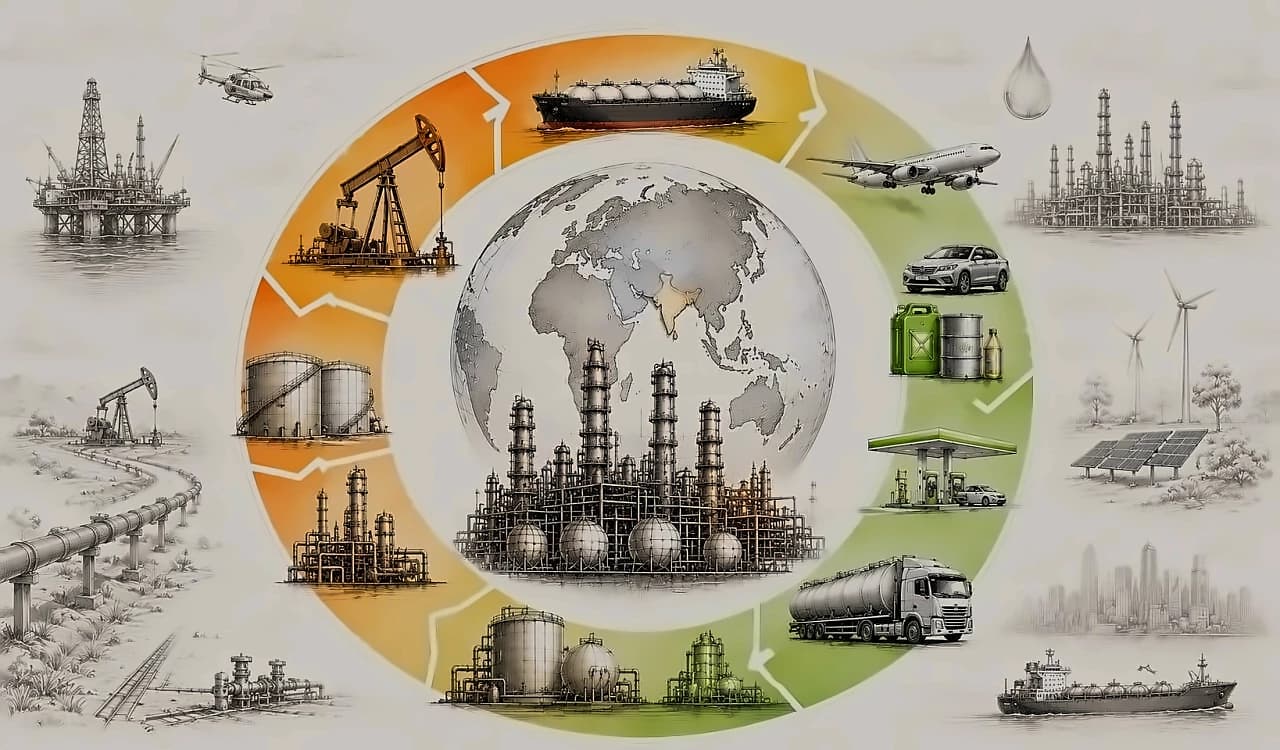
While India's emergence as a swing supplier is structural rather than cyclical, experts caution about sustainability factors. As reported by The Times of India, India's petroleum consumption is growing at around 3-4% annually and the country is expected to remain one of the largest contributors to global oil demand growth over the rest of this decade. However, domestic demand may constrain export expansion beyond certain levels. The operating environment remains highly dynamic, with geopolitical developments surrounding Russian energy trade, evolving sanctions regimes, and the phased rollout of new refining projects through 2027-28 all influencing market shares and export flows. India's unique position in the global refining landscape, dominant at the refinery level and increasingly influential at the national level, provides a strong foundation for continued growth in the reconfigured energy-trading system.