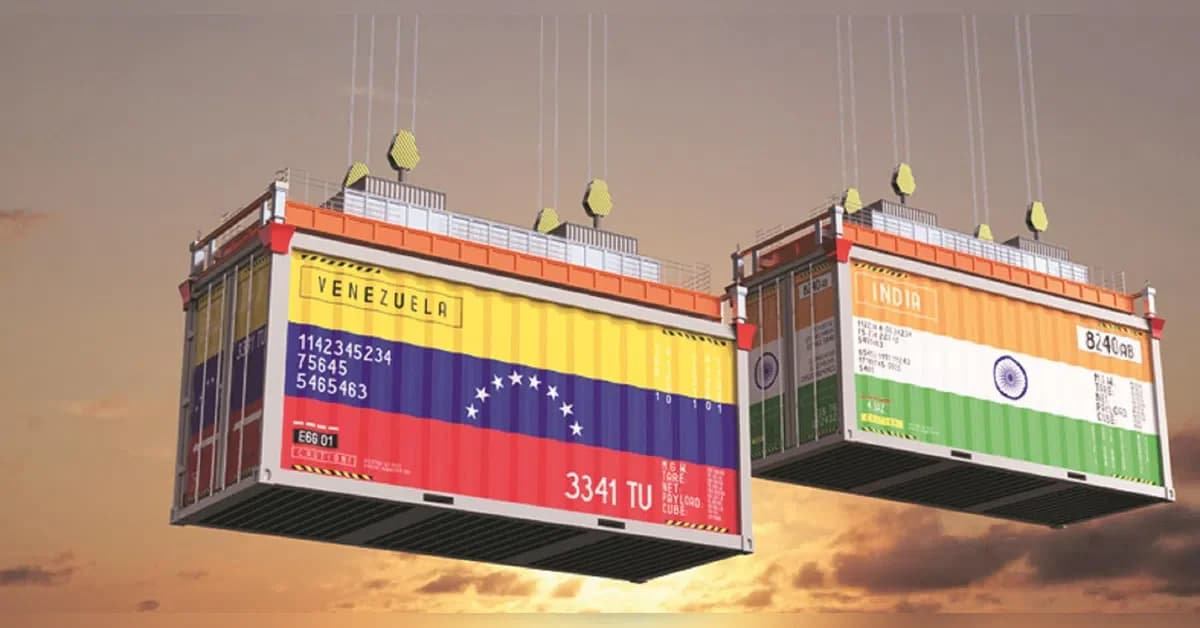
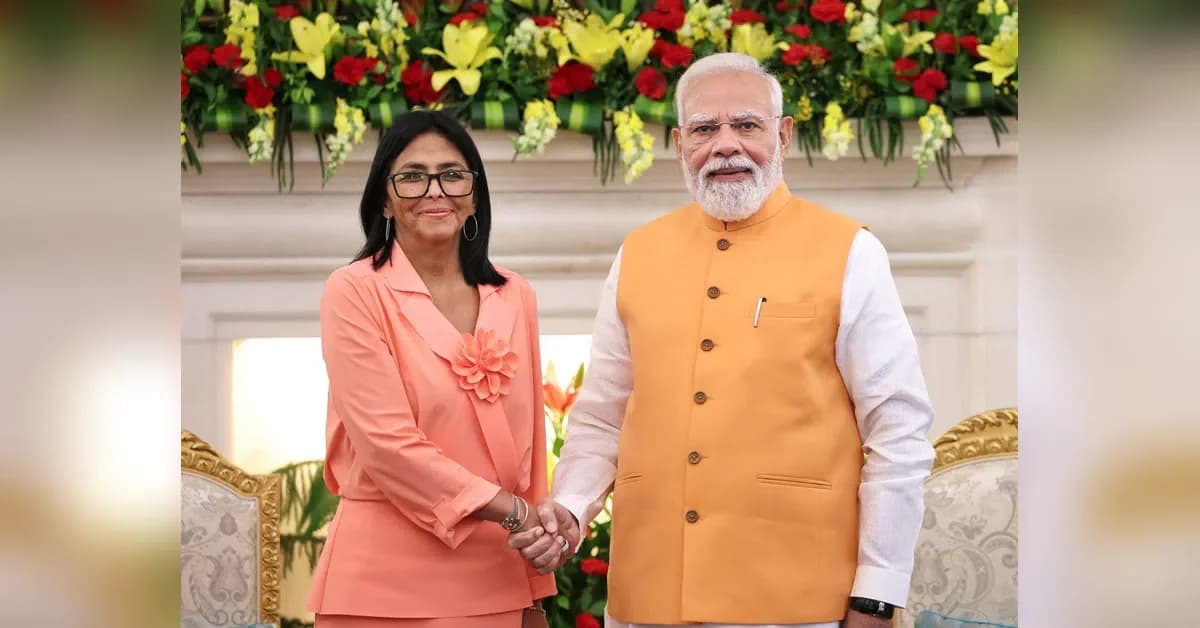
Venezuela has emerged as India's third-largest crude oil supplier in May 2026, marking a significant return to the bilateral energy relationship. According to energy trackers, this development is driven by rising purchases of discounted heavy crude, highlighting the continued importance of oil trade between the two nations. Prime Minister Narendra Modi's recent meeting with Venezuelan Vice-President Delcy Rodríguez has brought Venezuela back into India's energy conversation, representing a notable shift from the relationship's previous decline. The return comes as India continues to diversify its oil supply sources amid global market disruptions.
In 2013-14, India imported nearly $14 billion worth of goods from Venezuela, with crude petroleum accounting for almost the entire trade volume. Venezuela's dominance in India's crude imports was substantial, consistently ranking among the country's top suppliers through much of the 2010s. At its peak, Venezuela alone accounted for close to 10 per cent of India's total crude imports, establishing it as one of India's most significant oil partners during this period. This historical relationship provided India with substantial energy security during a period of growing global oil demand.
The relationship's dominance steadily weakened after 2016-17, with the sharp collapse occurring after 2020-21. According to reports, this decline was attributed to sanctions, political instability, and shipping disruptions that hit Venezuelan oil exports. The disruptions reduced Venezuela's share in India's total imports to almost negligible levels, marking a dramatic shift from the partnership's previous prominence in India's energy sector. This decline coincided with India's pivot toward other oil suppliers and its growing energy security concerns.
In the current supply crisis, Indian refiners have secured crude supply at least through August as they boost purchases from the United Arab Emirates, Africa, and Brazil. As supply from the Middle East crashes, India is buying growing volumes of crude from West African producers Nigeria and Angola, as well as from South American producers Brazil and Venezuela. This diversification strategy reflects India's adaptive approach to global oil supply disruptions and its continued reliance on multiple suppliers to ensure energy security. The strategy has been particularly important given the current geopolitical tensions affecting traditional oil suppliers.
External Affairs Minister Dr. Jaishankar has defended India's oil purchasing decisions, emphasizing that India buys oil based on cost and availability. According to recent reports, Jaishankar highlighted that in 2022, the US directly asked India to purchase Russian oil to stabilise the global oil market after Europe imposed sanctions against Russia. He criticized the West's contradictory policies, noting that Europe sells weapons used to attack India, while India has never endangered Europe. The minister's comments came during his visit to Finland, where he faced questions about India's stance on the Russia-Ukraine war. India has maintained this strategic approach while managing pressure from Western allies, demonstrating its commitment to securing energy supplies through multiple channels.