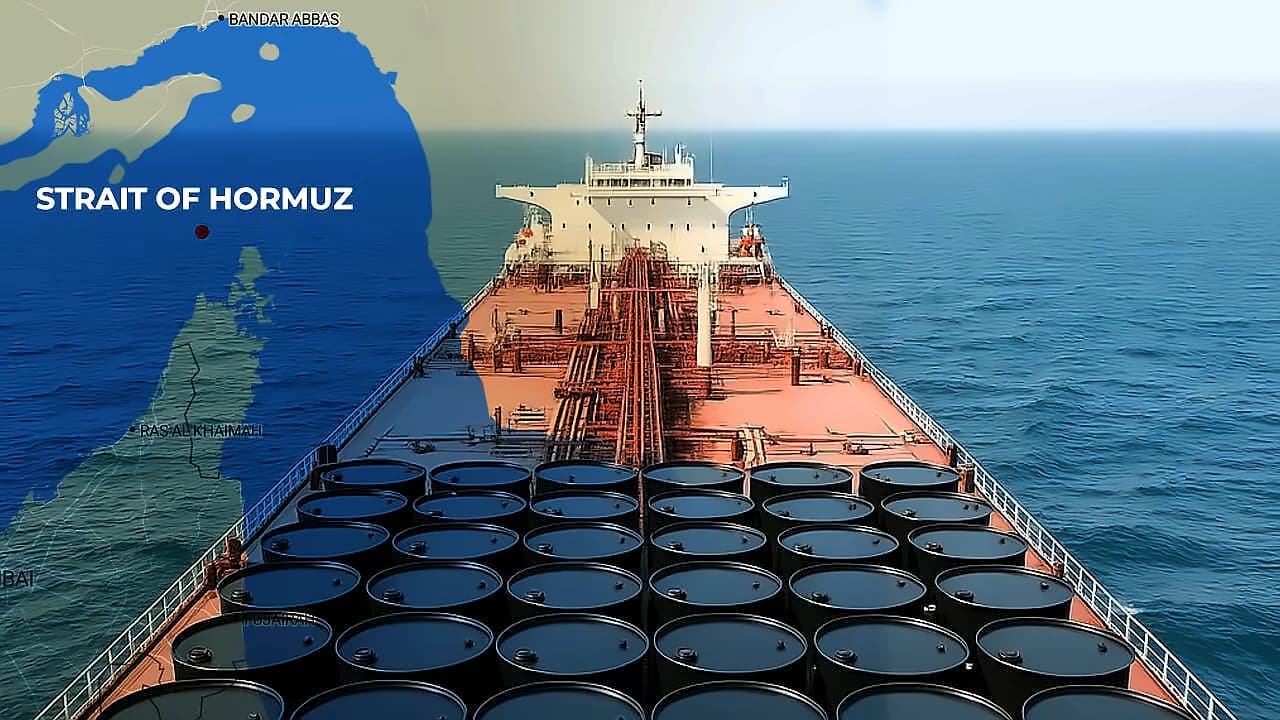
India's crude oil processing by refiners declined significantly in April, falling 8.9% to 5.23 million barrels per day (mbpd) or 21.39 million metric tonnes, according to provisional government data reviewed by Reuters. This represents the sharpest monthly drop since the Iran war began, as Hormuz disruptions squeezed Middle East supply and forced refineries to seek costlier Atlantic-basin crude. The decline reflects broader challenges facing the country's energy sector amid escalating geopolitical tensions and supply chain disruptions that have created significant operational pressures for Indian refiners.
On an annual basis, India's crude throughput showed a 2.2% decline compared to 21.86 million metric tonnes processed in April 2025, as reported by Reuters. The current figures reflect the impact of multiple operational challenges facing refiners, including supply disruptions and strategic shifts in crude sourcing patterns across the industry. The sustained year-over-year decline indicates persistent challenges in maintaining refining capacity despite market recovery efforts and the ongoing geopolitical tensions affecting global energy markets.
The decline came amid significant volatility in global energy markets following US strikes on Iran Monday night, which targeted missile launch sites and boats attempting to lay mines even as Iranian negotiators were in Doha discussing a potential ceasefire. As per Reuters analysis, this geopolitical tension has created supply chain disruptions that have directly impacted India's refining operations and crude sourcing strategies. Only a few dozen vessels are now transiting the Strait daily, compared with 125-140 previously, creating substantial operational challenges for energy-importing economies like India.
Indian refiners have increasingly turned to crude imports from Latin America and Africa after supplies from the Middle East came under pressure, as reported by Reuters. This strategic pivot reflects the industry's response to supply disruptions and the need to maintain operational continuity despite challenging market conditions and changing sourcing patterns across the refining sector. The shift demonstrates the adaptability of Indian refiners in navigating geopolitical challenges while ensuring adequate crude supply for their operations, though the current environment has made Atlantic-basin crude more costly alternatives.
Among major refiners, Reliance Industries' Jamnagar refinery processed 2.47 million tonnes in April, down from 2.87 million tonnes in March, according to Reuters. Nayara Energy's Vadinar refinery experienced a particularly sharp drop in processing volumes to 502,000 tonnes from 1.65 million tonnes in the previous month, with the company receiving only one Russian oil cargo in April after keeping its refinery largely shut during the month for routine maintenance. Nayara Energy, part-owned by Russian oil major Rosneft, had fully shut its refinery for most of April, with ship tracking data showing minimal crude deliveries during this period.