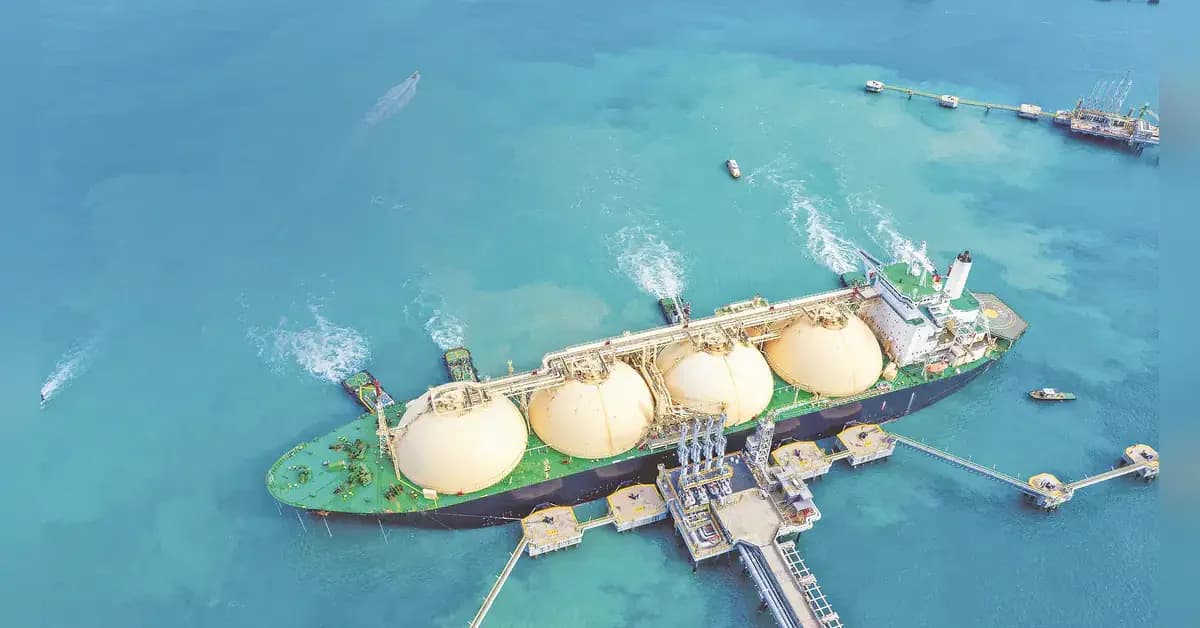
Two Indian state-run refiners have suspended crude oil loadings from Iraq as mounting security risks in the Strait of Hormuz make it increasingly difficult to ensure vessel safety. According to sources familiar with the matter, Indian Oil Corporation (IOC) has abandoned plans to load the supertanker Lila Jamnagar, which can hold as much as 2 million barrels of oil. The state-owned refiner concluded it was too risky for a fully laden tanker to attempt a Hormuz crossing, after several freighters were struck by projectiles in recent days. Mangalore Refinery and Petrochemicals Ltd (MRPL), controlled by state-owned Oil and Natural Gas Corp., has also suspended lifting from Iraq due to the deteriorating security situation. The cancellations come as New Delhi has advised shipping companies to refrain from assigning Indian seafarers to vessels operating in the Strait of Hormuz region following the resumption of military operations.
The Strait of Hormuz, located between Iran and Oman, served as the principal transit route for nearly one-fifth of the world's energy supplies before the conflict escalated. Renewed attacks and tensions between the US and Iran have once again de facto closed the strategic waterway. According to Kpler data, India received an average of 235,000 barrels per day of Iraqi oil before the conflict began, but this dropped to zero in April and subsequently saw a gradual increase to 33,000 and 67,000 barrels per day in May and June respectively. In July, no crude oil has been procured so far. During the first round of fighting between the US and Iran, from February 28 to April 8, India slashed crude oil imports from Iraq by about 84% after disruptions in the Strait of Hormuz hit shipping operations. The latest developments show that vessels with their transponders off to avoid detection have also come under fire, leaving shipowners questioning whether they're still willing to transit the region.
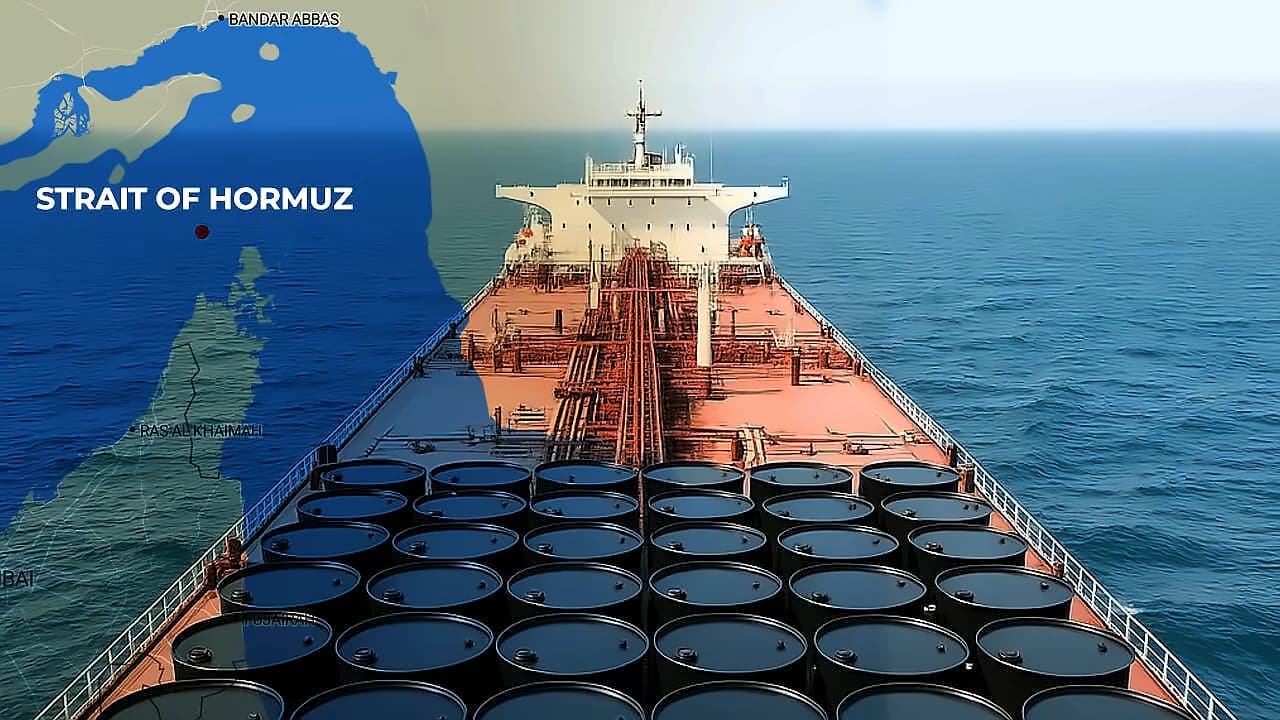
In the wake of renewed fighting in the region, India has advised shipping companies to refrain from deploying Indian seafarers on vessels transiting Hormuz until further notice following the rise in attacks on commercial vessels. The country's shipping ministry has directed shipowners, managers and recruitment agencies to refrain from deploying Indian seafarers on vessels transiting Hormuz, with the advisory extending beyond individual refiners to encompass the broader maritime industry. The country's shipping regulator has directed vessel masters to remain vigilant about the evolving security situation in the Persian Gulf, the Strait of Hormuz and adjoining waters, while ensuring continuous monitoring of navigational warnings. Ship captains have been advised to be cautious regarding security in the Arabian Gulf, the Strait of Hormuz, and surrounding waterways and to continuously check navigational warnings.
The surge in maritime risks has made securing tankers more difficult and expensive for Indian state refiners, who typically purchase Iraqi crude under long-term contracts that require the buyer to arrange shipping. Indian state refiners typically purchase Iraqi crude under long-term contracts that requires the buyer to arrange shipping, making the current suspension particularly significant. The maritime disruptions have created additional challenges for India's energy procurement strategy, as the country relies heavily on Middle Eastern crude oil supplies. The complete suspension of Iraqi oil imports during the initial conflict period and continued advisories for maritime operations reflect India's comprehensive approach to managing security risks in the region while maintaining its energy security requirements.