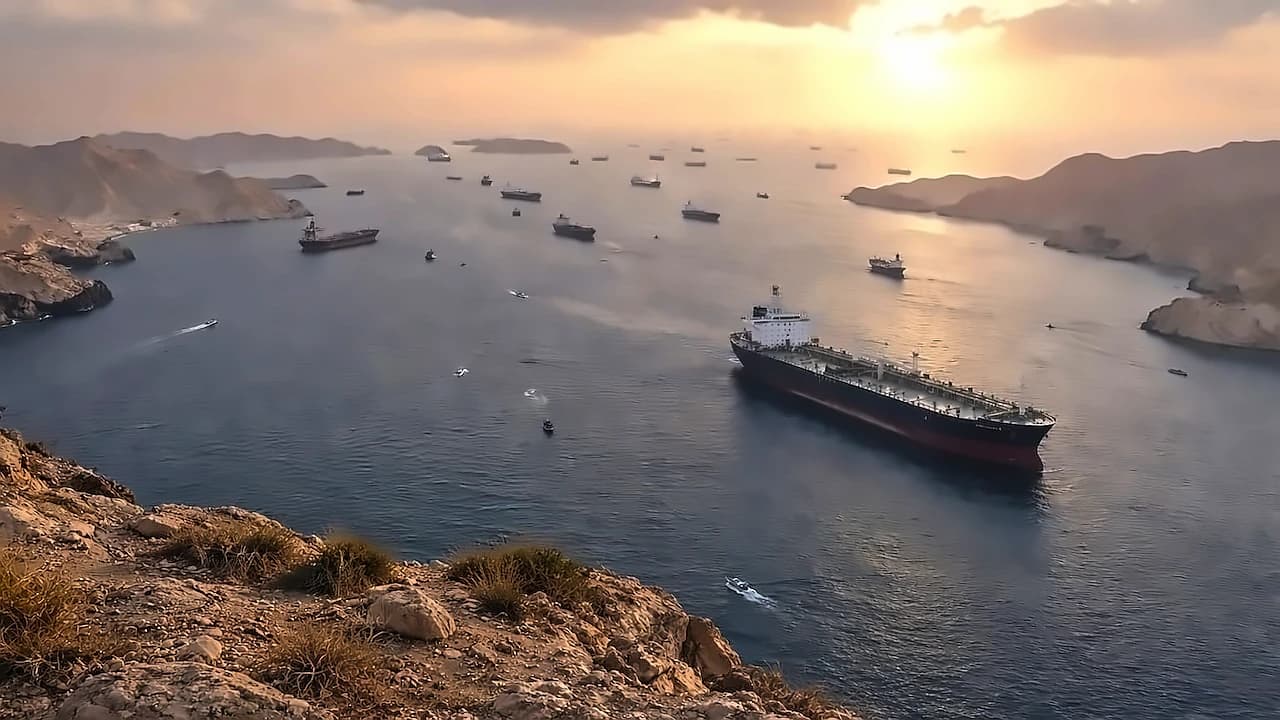
Iran has closed the Strait of Hormuz for shipping transit due to what it described as a violation of the ceasefire by Israel, according to the semi-official Tasnim news agency reports cited by Bloomberg. Iran's joint military command stated that the attacks were in 'bad faith' and a 'clear breach of its commitments', with the country warning that 'if the aggression continues, subsequent steps have been planned'. This closure represents Iran's first step in response to Israel's continued attacks in southern Lebanon, where Israeli air strikes and drone attacks killed at least five people on Saturday, according to Lebanese state media. The Iranian delegation has travelled to Switzerland for US talks, as reported by state TV.
Despite the closure, three Indian-flagged crude oil tankers successfully transited the Strait of Hormuz on Saturday, according to a statement from Sarbananda Sonowal, the Minister of Ports, Shipping and Waterways. The tankers Desh Vaibhav, Desh Vibhor and Sanmar Herald carrying over 8.6 lakh MT of cargo with 94 Indian crew members have successfully completed their journey and are en route to India. As per Sonowal's statement, the Port Ministry was actively coordinating with all relevant agencies to guarantee the 'absolute safety' of India's seafarers and energy lifelines during this challenging period. The three crude oil tankers are expected to arrive in India between June 24 and July 1, with specific arrival dates confirmed: Desh Vaibhav is expected to reach Vadinar Port on June 24, Desh Vibhor is likely to arrive at Sikka Port the same day, and Sanmar Herald, the third Indian-flagged oil tanker, is scheduled to reach Paradip on July 1.
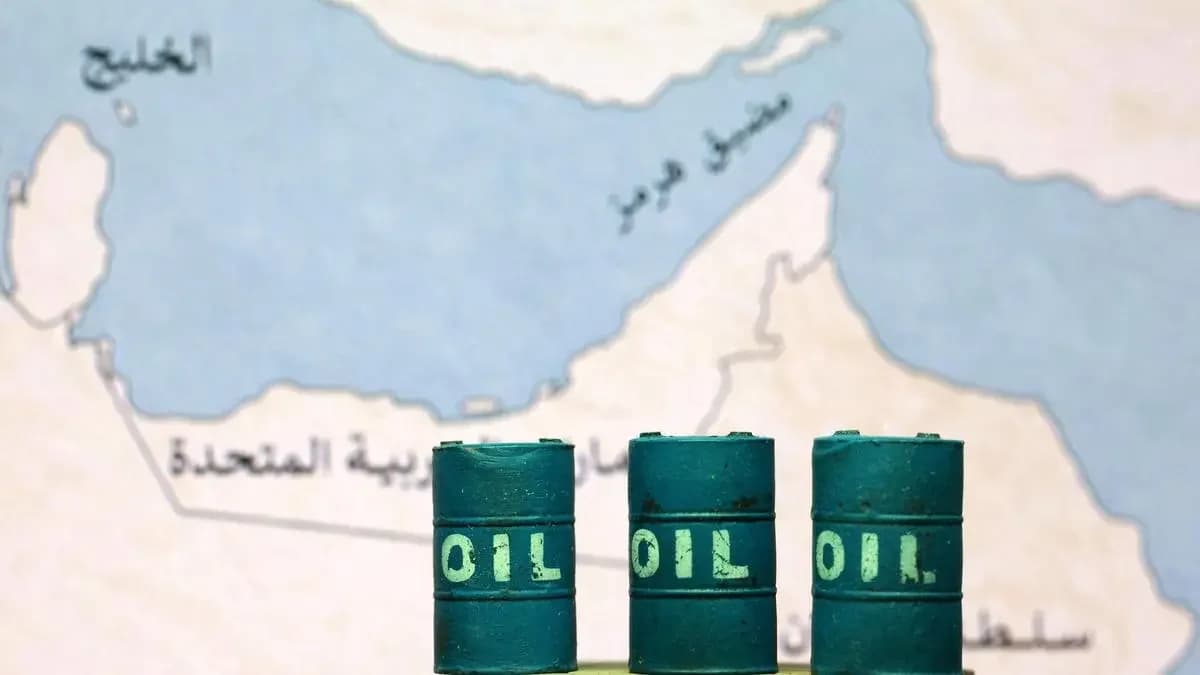
India's state-run refiners have secured sufficient crude oil for the next two months and are in no rush to resume purchases from West Asia even if the Strait of Hormuz reopens to commercial traffic. According to reports from The Hindu BusinessLine, local processors have been asked by West Asian suppliers, including Abu Dhabi National Oil Co., to begin taking contractual volumes under long-term supply agreements. However, the refiners have yet to commit to these arrangements, as confirmed by people familiar with the matter who didn't wish to be identified as the information isn't public.
The global oil market is focusing on the Strait of Hormuz after the US and Iran agreed to an interim peace deal this week that should allow transits to resume. During the conflict, energy shipments initially came to a near-total halt with the strait subject to a double blockade by both Tehran and Washington, but they are now starting to recover as ships trickle through. As reported by The Hindu BusinessLine, India's imports of West Asian crude, much of which is procured under term contracts, fell in the second quarter to the lowest level since at least 2013, according to data compiled by Kpler. The decline came as state-owned refiners took more spot cargoes from alternative suppliers including Russia and South America to make up for missing Persian Gulf barrels.
Refiners are bracing for higher freight rates as global buyers rush to secure tankers due to uncertainty over the durability of the ceasefire agreement. According to The Hindu BusinessLine, this makes cut-price cargoes from suppliers such as Russia — bought on a delivered basis — more attractive. The central government in New Delhi has yet to make a call on when vessels can safely return to load cargoes in the region, with state-owned refiners typically purchasing West Asian crude on a loading basis requiring buyers to arrange shipping. Many shipping companies want complete assurance that sea lanes are free of naval mines before resuming normal operations, with some vessels facing difficulties because their insurance coverage has expired.