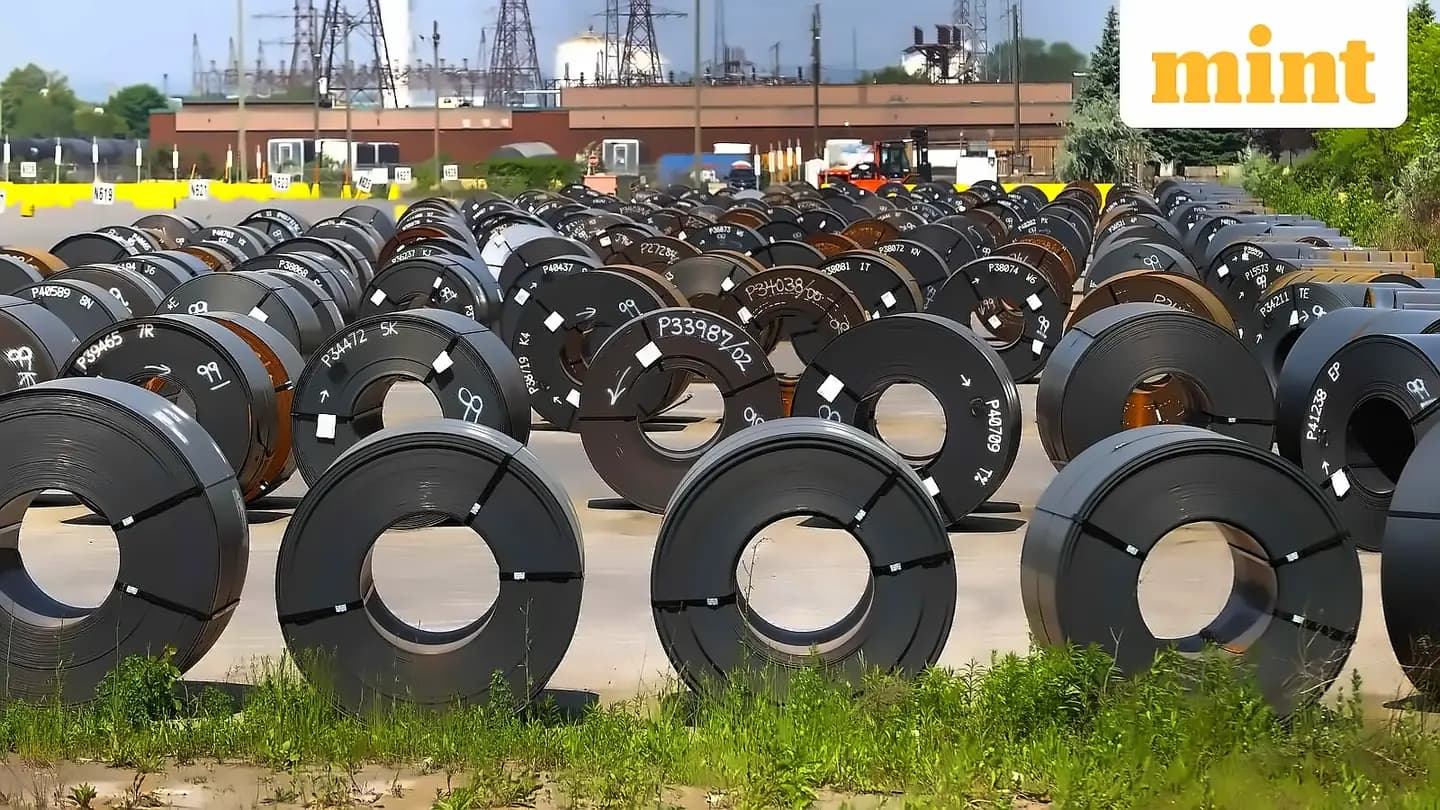
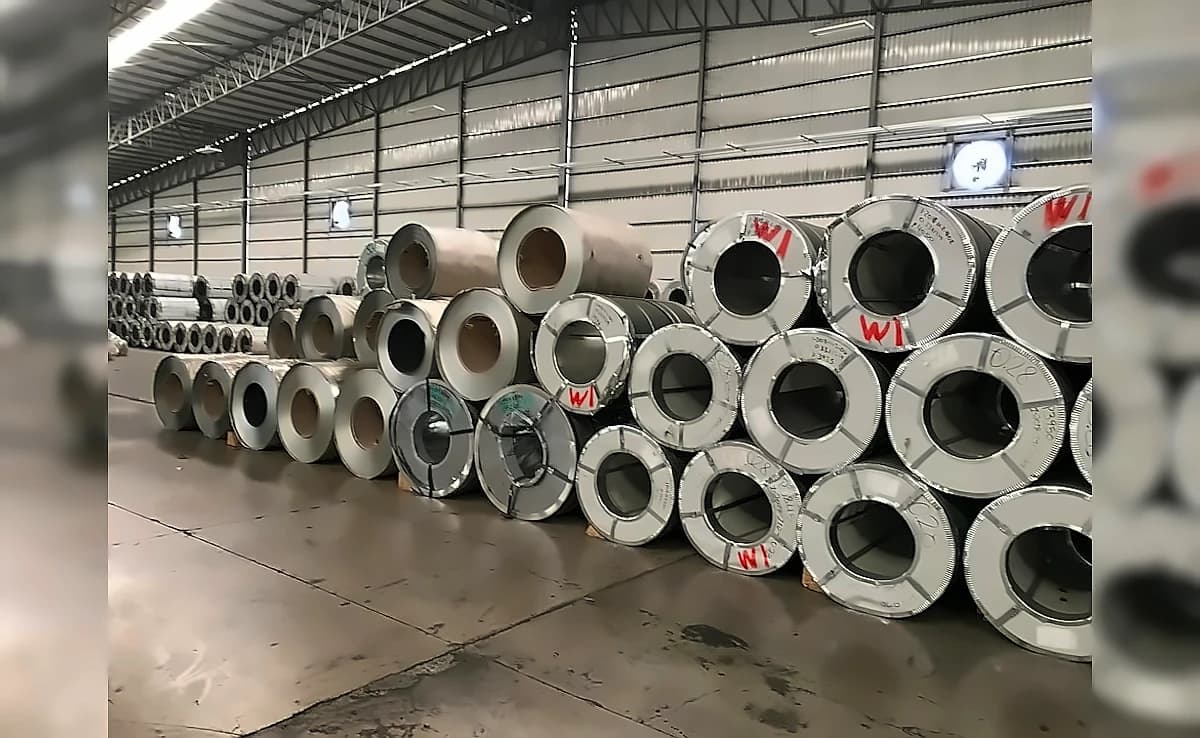
India maintained its position as the world's second-largest crude steel producer in August 2026, with output rising 4.6% year-on-year to 14.8 million tonnes, according to the World Steel Association (worldsteel) data. This strong performance came even as global crude steel production declined 1.2% to 144.2 million tonnes across 70 reporting countries, highlighting India's resilience in the face of global production challenges. For the January-August period, India's crude steel production increased 6% year-on-year to 115.9 million tonnes, significantly outpacing China's 3.1% decline to 651.9 million tonnes during the same period. The data underscores India's continued strength in the global steel market despite regional slowdowns affecting major producers.
India's steel consumption climbed 7.4% to 70.5 million metric tons during April-August 2026, while crude steel production reached 71 million metric tons, up 2.8% from the previous year, according to the latest government data. The production figures show crude steel production at 71 MT, hot metal at 40.4 MT (up 2.9%), sponge iron at 25.4 MT (up 1.9%) and finished steel at 68.3 MT (up 4.1%). In August alone, crude-steel production stood at 14.8 MT, up 4.6% year-on-year, while finished-steel production reached 13.9 MT, a 3.2% increase. The data comes as the domestic steel industry records higher production and consumption alongside a sharp rise in prices of key steel products during September.
Global steel prices are expected to remain above 2025 levels, driven by higher input costs and policy-driven support in Western markets, according to research agency BMI. However, weakness in China's construction sector and property market downturn will cap steel uptake. BMI maintains its 2026 global steel price forecast at $620 per tonne, with prices expected to remain range-bound for the rest of the year. The World Steel Organisation projects the market will transition to modest growth in 2026, with more pronounced acceleration expected for 2027. India will maintain its position as the world's fastest-growing major steel market with demand projected to expand by 7.4% in 2026, while steel demand across developing economies excluding China is expected to moderate to 2.5% growth in 2026.
India emerged as a net importer of finished steel during April-August 2026, with imports jumping 29.5% to 3.49 million metric tons compared to the same period last year. The country imported 3.49 million metric tons of finished steel while exporting 2.99 million metric tons, resulting in a trade deficit of 0.51 million metric tons. In value terms, imports stood at around ₹36,194 crore, up 38.3%, while exports were valued at approximately ₹23,647 crore, an increase of 32%. This represents a significant shift from previous periods, with imports increasing 29.5% compared to the same period last year, driven by soaring domestic demand for steel products.
The World Steel Association expects China's steel demand contraction to narrow to -1.5% in 2026 as the housing market correction nears its bottom, with infrastructure investments expected to edge up this year. However, global steelmaking capacity will continue to expand despite dim prospects for steel demand, with excess capacity projected to increase to 745 million tonnes by 2028. The OECD warns that global demand growth will remain sluggish at around 0.9% per year through 2030, with the conflict in West Asia and rising energy prices adding further headwinds. Despite these challenges, India's steel industry continues to demonstrate resilience with strong domestic demand growth and strategic positioning in global markets.
Average domestic prices of major steel products increased sharply in September compared with August, with 10 mm TMT prices rising from ₹58,002 per tonne to ₹65,298 per tonne (12.6% increase). 2 mm hot-rolled coil prices increased 8% to ₹76,085 per tonne, while 0.63 mm cold-rolled coil prices rose 11.1% to ₹84,972 per tonne. The 0.63 mm galvanised plain sheet prices increased 8.6% to ₹94,148 per tonne. These price increases reflect the strong demand-supply dynamics in the steel market, with consumption outpacing production growth. The Ministry data shows these prices include GST and are based on average prices across Kolkata, Delhi, Mumbai and Chennai.
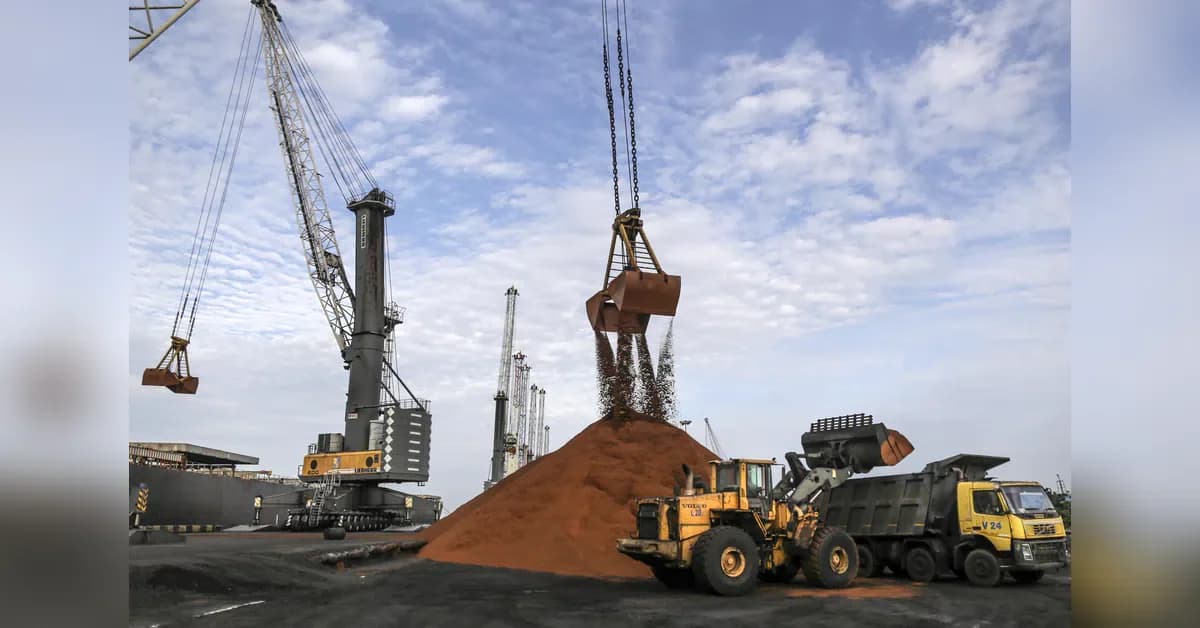
Alloy-steel production increased 30.9% to 4.80 million tonnes during April-August 2026, with consumption rising 24.5% to 5.12 MT and exports showing substantial growth compared with the corresponding period last year. However, stainless-steel production declined 11.7% to 1.62 MT, while stainless-steel imports more than doubled to 642.9 thousand tonnes. At the public sector level, SAIL recorded a 13% year-on-year increase in sales to 1.87 MT in August, with crude-steel production rising 8% to 1.68 MT. SAIL's supplies to Indian Railways reached a record 1.23 lakh tonnes, including 1.12 lakh tonnes of long rails. NMDC achieved the first pumping of iron-ore slurry through its 135-km Bacheli-Nagarnar pipeline on September 20, connecting the Bailadila-Bacheli Complex with the Nagarnar Pellet Plant.