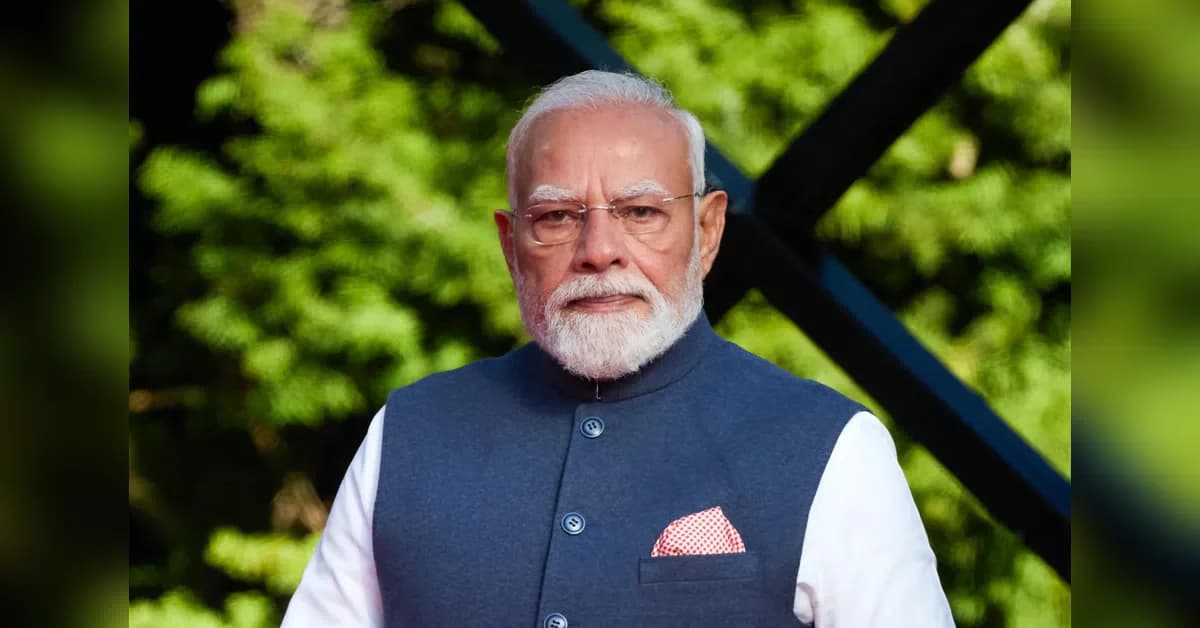
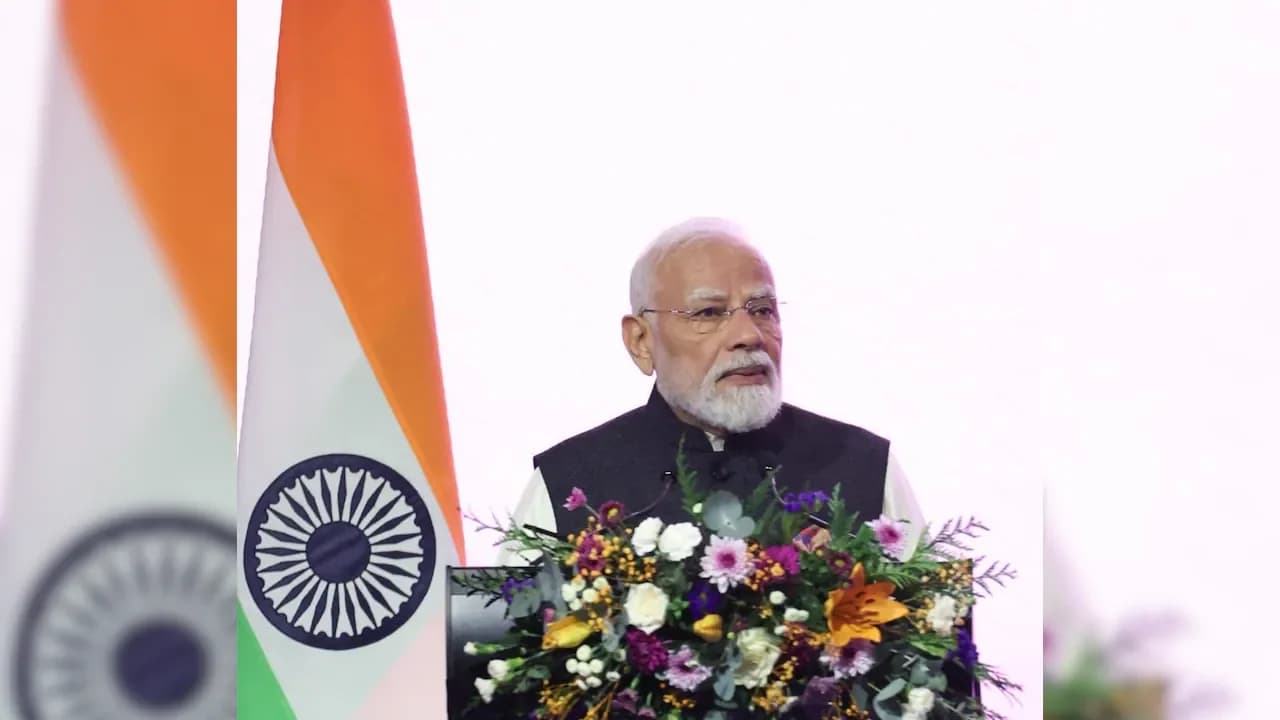
Prime Minister Narendra Modi concluded his three-day visit to Australia on Friday and departed for New Zealand, marking the final leg of his three-nation tour. As reported by Business Standard, Modi expressed his gratitude to the Australian government and Prime Minister Anthony Albanese for their hospitality, stating that "the outcomes of this visit have further strengthened our partnership and opened new avenues for cooperation across diverse sectors." Foreign Minister Penny Wong saw off Modi at the airport as he departed for Auckland. The Ministry of External Affairs confirmed that Modi is on a three-nation visit to Indonesia, Australia and New Zealand, aimed at boosting trade, energy and defence ties. The final leg will see Modi hold bilateral talks with New Zealand Prime Minister Christopher Luxon and address the Indian diaspora during his two-day visit.
India, Australia and Canada have signed the Australia–Canada–India Technology and Innovation (ACITI) Partnership Memorandum of Understanding, marking the formal establishment of a technology triangle between the three nations. As reported by The Times of India, the agreement was signed during Prime Minister Narendra Modi's ongoing visit to Australia, with the three countries having agreed to enter into the trilateral technology and innovation partnership last November. The ACITI Partnership will leverage the strengths of all three countries, with a focus on green energy innovation, resilient supply chains and critical minerals. The initiative will support efforts towards achieving net zero goals and promote greater diversification of supply chains to build a secure, sustainable and resilient future, while also exploring the development and wider adoption of artificial intelligence to improve citizens' lives.
India and Australia launched the Partnership on Cyber, Critical Technologies and Supply Chains (PACTS), a new bilateral framework that replaces their 2020 cyber cooperation arrangement. According to the joint framework released by the Ministry of External Affairs, PACTS will guide cooperation between the two countries on cybersecurity, emerging technologies and supply chains, seeking to support India and Australia's shared interest in national and regional security. The framework expands cooperation beyond cybersecurity to include critical technologies, resilient supply chains, digital infrastructure and defence research, with the Ministry of External Affairs noting that safety, security, resilience, inclusivity for all, and shared democratic values will be built into every stage of the partnership. PACTS succeeds and replaces the 2020 arrangement by expanding cooperation to include supply chains, digital resilience and defence research alongside cyber and critical technologies.
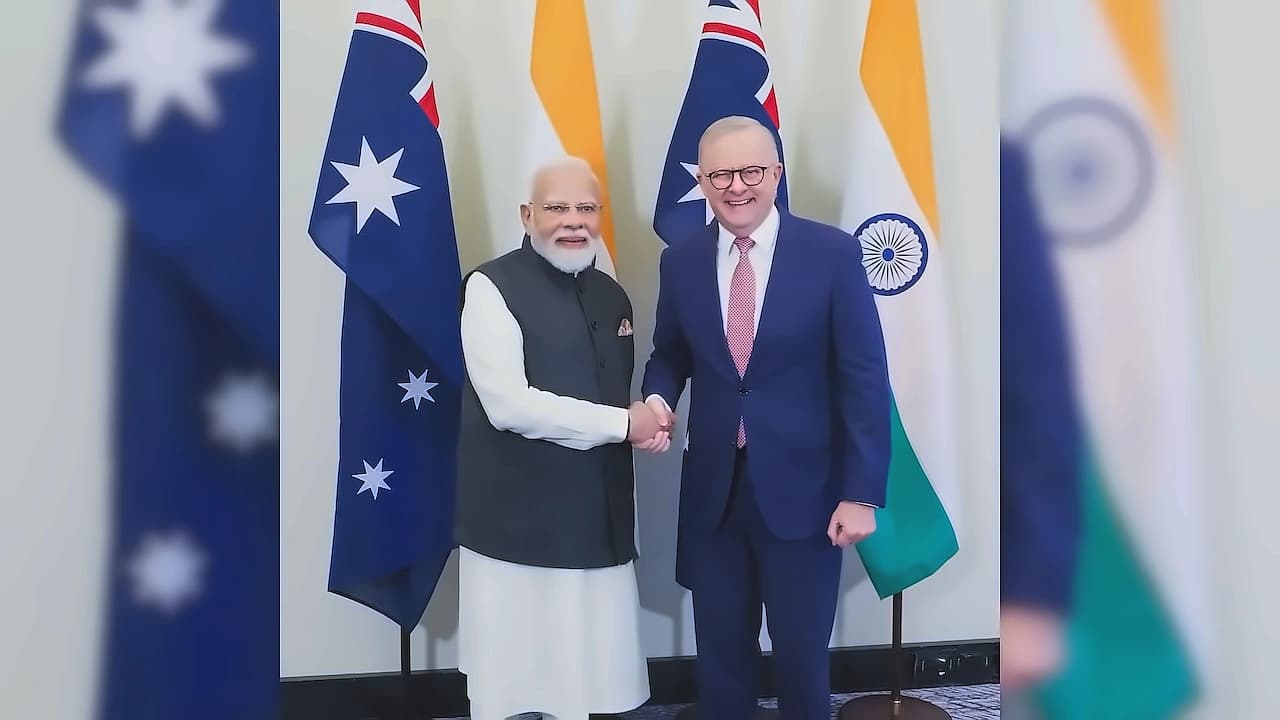
In the centrepiece outcome of the visit, the two Prime Ministers welcomed the finalisation and signing of an Administrative Arrangement under the existing Australia-India Nuclear Cooperation Agreement. According to PMO, this development enables long-term Australian uranium exports to India for exclusively peaceful purposes and under IAEA safeguards. India and Australia have finalised the arrangements required to enable the export of Australian uranium to India, with PM Modi saying the agreement would support India's clean energy goals and further strengthen bilateral cooperation in the energy sector. Speaking at a joint press meet with Albanese after the Annual Leaders' Summit, PM Modi said "Today, we have reached an important agreement in the field of nuclear energy. This will open the path for uranium supply from Australia to India and give new strength to our clean energy objectives." Under the Australia-India Nuclear Cooperation Agreement (2015), the uranium exports will be used only for peaceful purposes and will remain subject to IAEA safeguards, with Australia also reiterating its support for India's membership of the Nuclear Suppliers' Group. The arrangement will support India's push towards diversification of energy sources and promote the country's energy security in line with the SHANTI Act.
The two leaders announced a Joint Declaration on Defence and Security Cooperation, alongside the establishment of an Annual Defence Ministers' Dialogue. They agreed to expand defence exercises, strengthen interoperability and enhance cooperation in defence research, professional military education and industry. The nations also adopted the India-Australia Maritime Security Collaboration Roadmap and welcomed an MoU between Australia's Maritime Border Command and the Indian Coast Guard to support maritime security. An Indian military instructor is set to be placed at the Australian Defence College in 2028-29, building on the Mutual Logistics Support Arrangement signed in 2021. The partnership also includes Australia's support for India's Gaganyaan Human Space Flight Programme, including a temporary space tracking terminal on Cocos Keeling Islands, with leaders expressing hope for deeper collaboration between ISRO and the Australian Space Agency. PACTS provides for joint defence science research, innovation partnerships, collaboration between defence research organisations and work on maritime technologies.
In a joint statement on energy security, the two sides expressed concern over the situation in West Asia and its impact on energy, resources and other important commodity supply chains and prices. As reported by Business Standard, they reaffirmed their commitment to open markets, rules-based trade and stable flows of energy products. The leaders welcomed the Joint Statement on Energy Security, reaffirming their commitment to enhancing cooperation in energy trade, supply chain resilience and the transition towards cleaner energy sources. The Prime Ministers emphasised the importance of energy security and resource collaboration and reaffirmed their commitment to support reliable, affordable and sustainable energy supplies. Both countries recognised the role of renewable energy and electrification in accelerating the energy transition. Securing critical minerals remains a key priority as countries look to build resilient supply chains amid growing dependence on the sector, currently dominated by China. The partnership recognises Australia's role as an important supplier of liquefied natural gas to India and India's role as an important supplier of liquid fuels and other downstream products to Australia. Addressing the India-Australia CEO Forum, Modi said the Economic Cooperation and Trade Agreement (ECTA), concluded in 2022, had boosted bilateral trade by 55 per cent to nearly A$54 billion, though he noted this remained "way below the potential" given the size of both economies. Indian High Commissioner to Australia Nagesh Singh said talks were continuing on a more comprehensive Economic Cooperation Agreement, with both sides hoping to conclude it "sooner rather than later."