The International Energy Agency has significantly revised its global oil supply outlook for 2026, now forecasting a 1.78 million bpd supply deficit against demand, compared to its previous forecast of 0.41 million bpd surplus. According to the agency's latest monthly report, global oil supply is expected to fall by 3.9 million bpd in 2026, substantially higher than the previous forecast of a 1.5 million bpd decline. The IEA's base-case scenario assumes flows through the Strait of Hormuz will gradually resume from June, with demand growth returning to positive territory only in August and then hovering around 2025 levels for the remainder of the year. The agency warns that supply recovery will take at least two to three months after mines are cleared, as oil tankers exit the Gulf, empty vessels are repositioned and port loading schedules are reorganized. Even after normal export operations resume, the oil market is set to remain in deficit until the final quarter of the year.
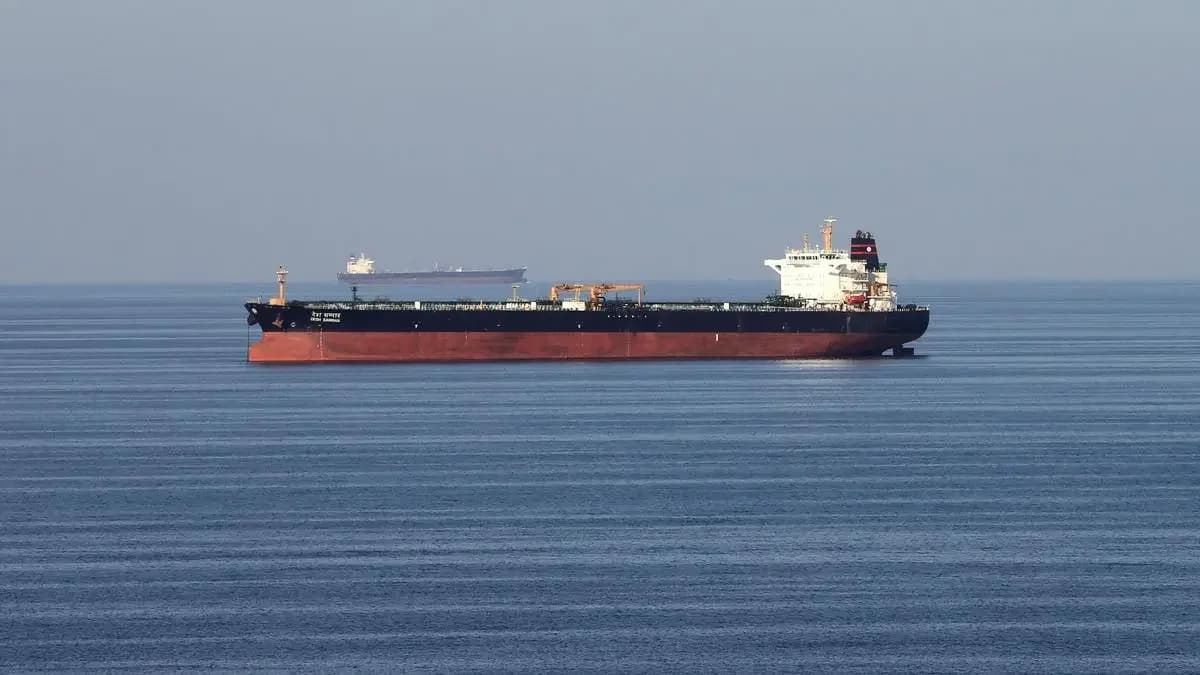
The crisis in the narrow Strait of Hormuz continues to deepen as the US and Iran cannot find a resolution to their conflict in the Persian Gulf. As reported by CNBC TV18, the Strait of Hormuz corridor is crucial as nearly 20% of all oil transported passes through this narrow waterway. The near-closure has unleashed an unprecedented supply shock on global energy markets, with the IEA reporting that cumulative supply losses from Gulf producers have already exceeded 1 billion barrels. The conflict has resulted in a total global supply loss of 12.8 million bpd since February, with Iran reiterating its intention to levy some form of toll for usage of the passage, fundamentally changing the character of the strategic waterway. The IEA reports that more than 10 weeks of conflict in the Middle East had severely disrupted supplies moving through the strategic waterway, creating mounting pressure on global energy markets. Output from Gulf countries affected by the closure was 14.4 million barrels per day below pre-war levels in April, with more than 14 million barrels per day of oil now shut in.
Global oil inventories are being drained at a record pace as prolonged disruptions in the Strait of Hormuz continue to unsettle energy markets. According to the IEA's latest report, observed global inventories, including oil at sea, were drawn down by 250 million barrels over March and April, equivalent to 4 million barrels a day. The world's oil stockpiles are being drained at a record rate and could reach an all-time low by the end of the month, according to market analysts. UBS analysts believe that stocks may have fallen to 7.8 billion barrels at the end of April and by the end of May could approach all-time lows of roughly 7.6 billion barrels. The IEA had earlier announced plans to release 400 million barrels from emergency reserves held by member states, with around 164 million barrels already supplied to global markets and additional releases expected in the coming months. Replenishing depleted stockpiles, including strategic reserves, could require an additional 1 million barrels a day of supply for the next three years on top of underlying demand growth. On-land stocks dropped by 170 million barrels in April, equivalent to 5.7 million barrels per day, while oil on water rebounded by 53 million barrels.
According to the IEA's latest forecast, world oil demand has fallen by 420,000 bpd in 2026 due to the Iran war, significantly higher than the previous forecast of an 80,000 bpd drop. The agency now expects global oil demand to shrink by 2.45 million barrels per day in the second quarter, lower than earlier estimates made before the Middle East crisis intensified. The largest demand decline is expected in the second quarter, with consumption forecast to fall by 2.45 million barrels per day, where the OECD accounts for 930,000 barrels per day of that decline while non-OECD economies account for 1.5 million barrels per day. The disruption has hit several fuel categories especially hard, with the sharpest declines seen in liquefied petroleum gas, ethane and naphtha--key feedstocks for the petrochemical industry. Jet fuel demand has also weakened sharply. The petrochemical and aviation sectors are currently most affected, but higher prices, a weaker economic environment and demand-saving measures will increasingly impact fuel use. OPEC has also cut its forecast for crude demand this year, now expecting global oil demand to grow by a healthy 1.2 million barrels per day in 2026, down from its previous forecast of 1.4 million barrels per day.

The ongoing crisis has significantly impacted oil prices, with Brent Crude currently trading above $106 and West Texas Intermediate hovering around $97 as the US-Iran conflict settled into a gray zone that is neither war nor peace. The IEA's revised forecasts underscore the severity of the supply constraints facing global markets, with the agency warning that further price volatility appears likely ahead of the peak summer demand season. The situation is becoming increasingly fragile as the peak northern hemisphere summer travel season approaches, with airlines already warning of possible jet fuel shortages within weeks if disruptions persist. The record drain on stored oil risks future oil price spikes as the world's supply buffers shrink, with the IEA noting that the world is drawing oil inventories at a record pace as importing countries confront unprecedented disruptions to Middle Eastern supplies. Benchmark prices have remained volatile, with North Sea Dated trading in a range of almost $50 per barrel in April, with the disruption to Middle East flows pushing prices up by about $16.50 per barrel month on month to an average of $120.36 per barrel. The agency said demand could return to growth toward the end of the year if a deal is reached and flows through the Strait gradually resume from the third quarter, as assumed in the report.