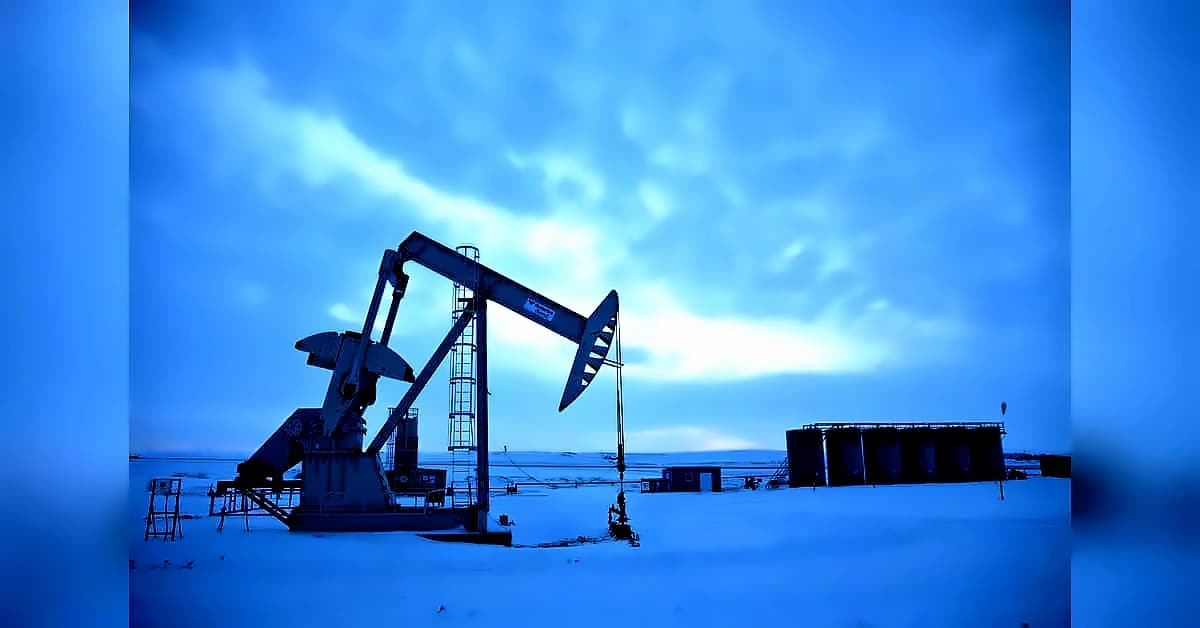
Global oil demand is projected to decline by around one million barrels per day (bpd) in 2026, marking the first drop since the COVID-19 pandemic, according to the International Energy Agency (IEA) as cited by The Associated Press. Global oil consumption in May fell by 5.3 million bpd from a year earlier to an average of 97.9 million barrels per day, with Asia accounting for the largest share of the decline due to its dependence on Middle Eastern crude. China recorded the steepest fall globally at 9%, or about 1.5 million bpd, highlighting the region's vulnerability to Gulf disruptions. The United States was the notable exception, with petrol consumption increasing during the second quarter of 2026 even as pump prices climbed roughly 50% above pre-war levels in May, demonstrating resilient domestic fuel demand despite higher fuel costs.
The International Energy Agency (IEA) has issued a stark warning that renewed US-Iran hostilities could derail its forecast of a global oil surplus in 2027 despite a rebound in supplies after the Strait of Hormuz reopened. According to the latest IEA report, the closure of Hormuz strait has cut as much as 14 million barrels per day of crude oil flows, with the fuel shortage and increase in prices hitting the global economy hard. The agency noted that while oil markets have enough supplies for now, they remain highly vulnerable to disruptions, as reported by Al Jazeera. West Asia accounts for a significant global share of the world's crude oil exports, making the region crucial to global energy flows, with any conflict involving major oil-producing countries or key maritime routes potentially tightening supplies and pushing prices higher.
The IEA's 2027 projections imply that supply will exceed demand by 4.62 million bpd next year, compared with a deficit of 860,000 bpd this year, provided producers can restart fields and refiners resume normal product shipments. However, the agency warned that an escalation in hostilities on July 7-8 could upend this forecast that sees the market flipping to a surplus next year. Global oil supply rose by 4.1 million bpd in June but remained 9.4 million bpd below pre-war levels even after the Strait of Hormuz reopened. The IEA forecasts supply to expand by 7.5 million bpd next year after a contraction of 3.7 million bpd this year, but emphasized that this outlook depends on improved transit through the Strait of Hormuz. Despite producers outside OPEC expected to continue increasing output and OPEC+ members gradually restoring production cuts, geopolitical developments continue to overshadow the market outlook.
Asia's gas demand fell around 1% year-on-year in the first half of 2026 as higher prices encouraged fuel switching, particularly to coal in the power sector, as reported by the IEA. Europe's benchmark TTF price and Asia's Platts JKM benchmark both recorded their highest average second-quarter prices since 2022. The TTF rose 32% year-on-year to average nearly $16 per million British thermal units, while spot LNG prices in Asia increased 45% to an average of $17.5/mmBtu. According to Investing.com, the agency said gas demand in Asia fell around 1% year-on-year in the first half of 2026 as higher prices encouraged fuel switching, particularly to coal in the power sector.
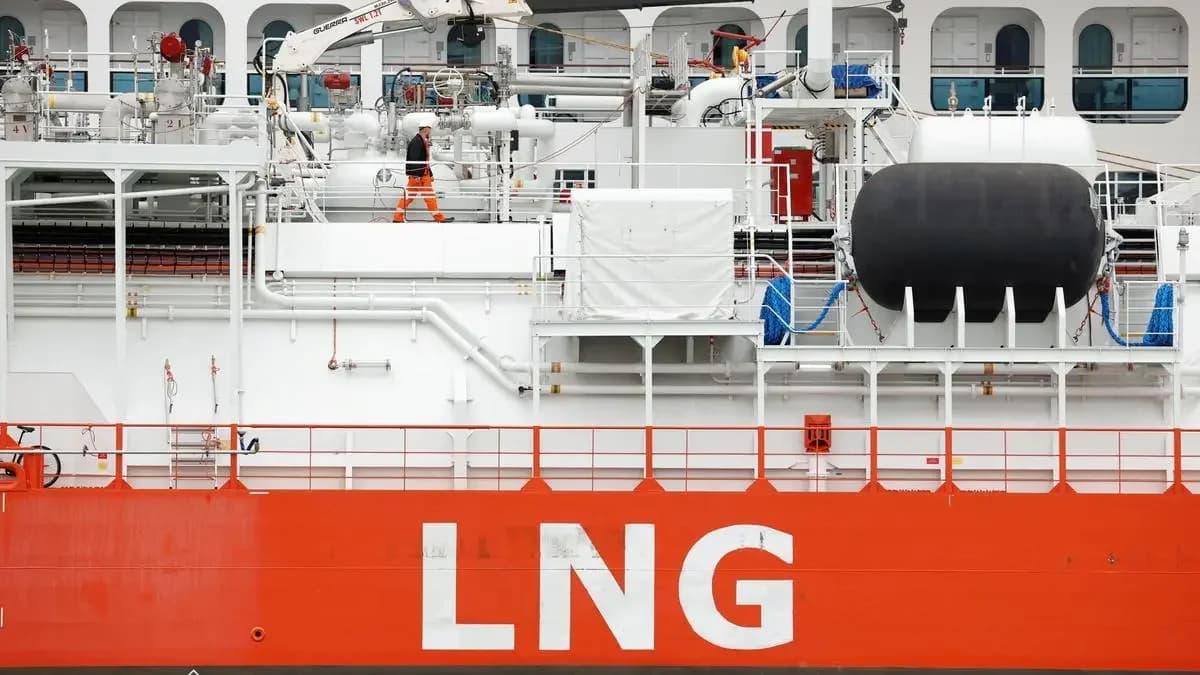
The U.S.-Iran conflict has sharply reduced liquefied natural gas flows through the Strait of Hormuz, a shipping route that typically carries about 20% of global LNG supplies, according to the IEA report. Global LNG supply for the full year is expected to be broadly unchanged from 2025 as increased production in other regions offsets disruptions in the Gulf. However, if the Strait is not fully reopened before the start of the fourth quarter, global LNG supply could record its first annual decline since 2012, as reported by the IEA. The conflict has left many oil tankers stranded for over three months, unable to safely navigate the Strait of Hormuz, one of the world's most critical energy chokepoints. The agency added that any disruption to exports from the Gulf region or interference with key shipping lanes could have immediate consequences for global crude supplies and fuel prices, leaving energy markets sensitive to any further escalation between Washington and Tehran.