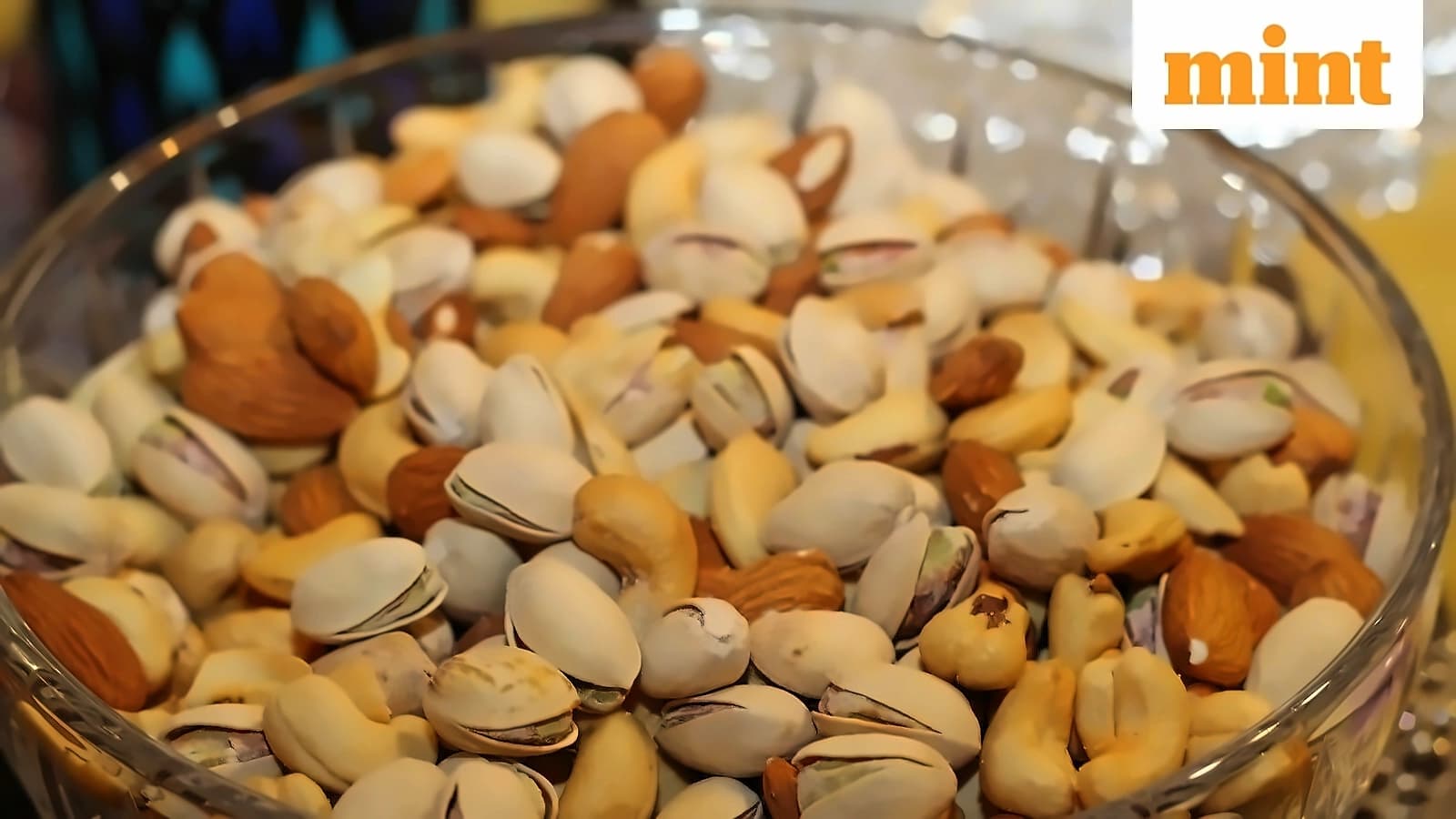
The ongoing US-Iran conflict has created severe disruptions to global pistachio supplies, with pistachio prices reaching $4.57 per pound in March 2025 - the highest level since 2018. According to Expana analyst Nick Moss, the war has amplified existing constraints rather than creating new ones from scratch, as the conflict disrupts shipping routes and regional trade. Iran accounts for about 20% of global pistachio production and 25-30% of global exports in some years, making the disruption particularly significant for the global market. As reported by The Times of India, companies are facing tightness in supply and longer lead times for critical ingredients such as dry fruits, cocoa, and nuts, with these ingredients essential for flavoring and manufacturing various ice cream and chocolate products.

Several leading companies have already begun implementing price increases to offset rising input costs. Naturals Ice Cream has implemented an average 10% price hike across its portfolio to cope with high overall input costs, while Mother Dairy has taken selective price increases in ice creams driven by global commodity movements and higher logistics costs. According to The Times of India, companies did not have sufficient room to make adjustments to product recipes given the war started closer to the onset of the summer season, as skimping on dry fruits and nuts would compromise product quality. The disruption comes at a critical time as companies prepare for peak summer demand.
The supply disruption has forced buyers to seek alternatives, particularly the US, which accounts for about 40% of global production. However, US exporters have already sold most of their available supply. As reported by Borna Foods CEO Behnam Heydaripour, Iranian pistachios contain higher levels of oil compared to other origins, making them essential for products like baklava where taste and texture are critical. Import prices into the UK have increased sharply from £16 per kilogram before the war to roughly £18.50, with traders reporting spikes in some spot markets in the Middle East and India. The war has severely disrupted the main export route through Bandar Abbas port on the Strait of Hormuz, forcing companies to use alternative routes through Turkey's Mersin port and the Suez Canal, which are significantly more expensive and time-consuming.
The Iran conflict has significantly impacted consumer inflation rates, with ice cream recording the biggest jump of any food produce, up from 1.7% annual inflation in February to 6.3% in March. According to the Office for National Statistics, this acceleration reflects the impact of the Iran war that began at the end of February, which drove up the price of crude oil during March and pushed up the cost of filling up at the pumps. Chocolate inflation also increased from 7.8% in February to 10.9% in March, while coffee prices rose from 6.3% to 9.0% during the same period. The early timing of this year's Easter holidays is likely to have contributed to a sharp acceleration in air travel costs, with prices up 14.5% year-on-year in March compared with 3.8% in February. However, some categories showed relief, with computer software inflation swinging from 2.7% positive in February to a 13.8% decline in March.