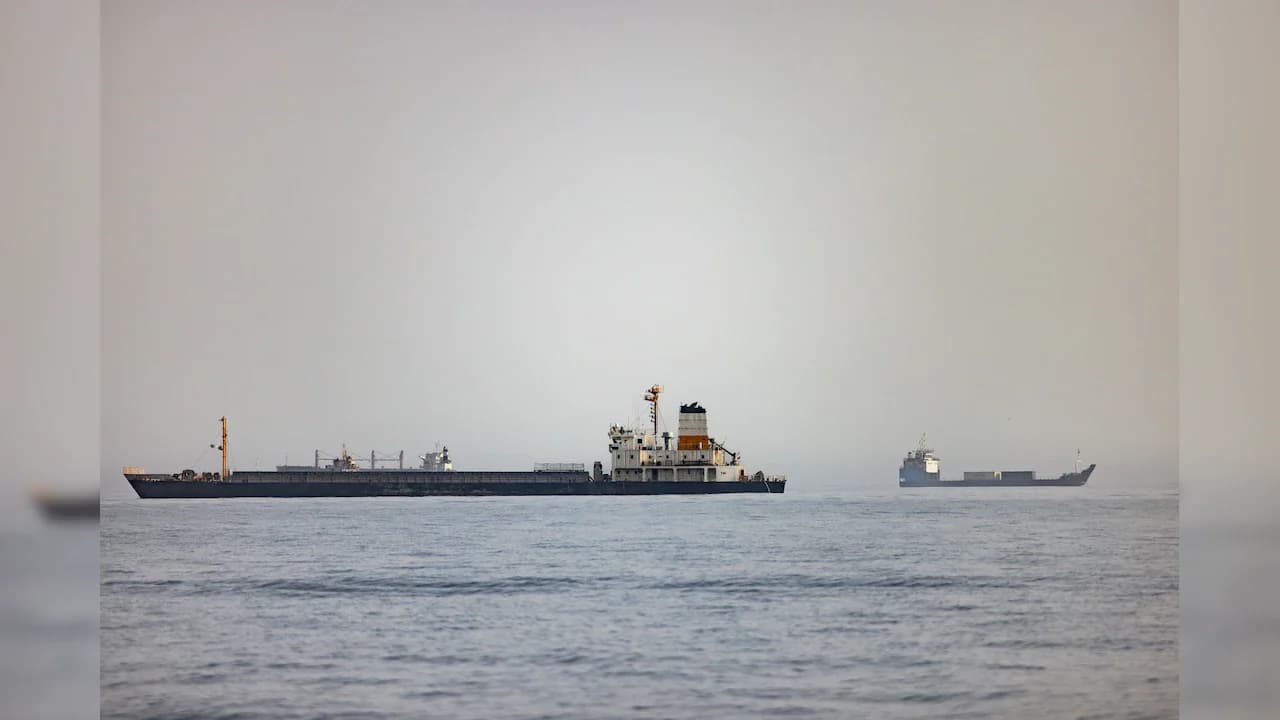
The Strait of Hormuz crisis this year has exposed a critical paradox in India's strategic positioning, according to reports from Business Standard. While India has acquired more diplomatic room to manoeuvre, its economic dependence on vulnerable external supply chains continues to limit strategic autonomy. Before the crisis, 45-50% of India's crude oil imports, around half its LNG supplies, and nearly 90% of its LPG imports were typically dependent on the maritime passage through the Persian Gulf. The vulnerability extended beyond oil prices to affect electricity generation, fertiliser production, petrochemicals, transport, and household consumption. India's crude oil basket price rose from around $69 per barrel before the crisis to above $114 in April as supply disruption fears intensified. The crisis has now revealed the structural gaps in Gulf infrastructure, with non-Hormuz pipeline capacity far short of Hormuz transit volumes and no region-wide contingency plan.
India's response was necessarily pragmatic, demonstrating the value of diversification while exposing its limitations, as reported by Business Standard. Around 70% of crude oil imports were reportedly rerouted away from the strait, compared with approximately 55% before the crisis. Russia became even more important as an alternative source, aided in part by temporary sanctions waivers by the United States. India also increased purchases from the US, the Atlantic Basin, West Africa, and other suppliers. However, this diversification of suppliers did not sufficiently reduce dependence on particular maritime routes, highlighting that oil can be purchased from different countries but if transportation infrastructure remains vulnerable to geopolitical disruption, the strategic problem is only partially addressed. The crisis has shown that maritime alternatives beyond Hormuz must be reviewed against a permanent assumption that the strait can close on hours' notice.
The crisis demonstrated India's diplomatic flexibility and the importance of maintaining relationships with actors whose interests are often opposed, according to Business Standard. Prime Minister Narendra Modi reached out to leaders in the United Arab Emirates, Qatar, Saudi Arabia, Kuwait, Bahrain, Oman, Jordan and Israel, while External Affairs Minister S Jaishankar remained engaged with his Iranian counterpart. India did not formally condemn either the US and Israel or Iran in a manner that would have foreclosed its room for manoeuvre. The US emerged as an important beneficiary of the shift, with energy supplies from America becoming increasingly significant for India, creating opportunities for deeper energy cooperation. This energy interdependence provided another layer to the broader India-US strategic partnership. The war has accelerated arguments for deeper defense and security cooperation with other nations, with Gulf sovereign autonomy best protected by partnership pluralism rather than partnership substitution.

The crisis has given new urgency to India's connectivity initiatives and reinforced the importance of the Gulf to India's conception of the Indian Ocean, as reported by Business Standard. Chabahar acquired greater strategic significance because access to Iran's port provides India an alternative route towards Central Asia that does not depend entirely on the Gulf maritime system. The International North-South Transport Corridor similarly assumed greater importance as a means of diversifying India's continental connectivity. The crisis reinforced that connectivity can no longer be understood merely as an instrument of trade promotion but as an instrument of national security in an era of geopolitical fragmentation. Security Cannot Be Subcontracted - the 2026 war demonstrated that when American and Gulf interests diverged, American interests prevailed, making Gulf security require indigenous defense capability built through joint-venture models.
The crisis has demonstrated that India needs deeper engagement with the region, not less, but that engagement must be accompanied by greater resilience, according to Business Standard. The June 2026 US-Iran memorandum of understanding and subsequent de-escalatory measures provided some relief, but the return of traffic did not immediately restore the old strategic normal due to residual risks and uncertainty. The war has shown that normalization and deterrence operate on different timescales and serve different functions; they must be paired through credible deterrence floors, standing communication channels, and demonstrated capabilities. Neither Normalization nor Restraint Deter on Its Own - Iran targeted all six GCC states despite years of rapprochement, normalization, and wartime restraint, reading Gulf moderation as inability rather than choice. The Islamabad MoU opens a sixty-day window to negotiate a final agreement endorsed by the UN Security Council, during which the GCC states must include their interests in the final settlement. Strategic autonomy is not simply about having multiple partners but having multiple options, and the crisis demonstrated why such a multi-alignment strategy remains useful for India's foreign policy.