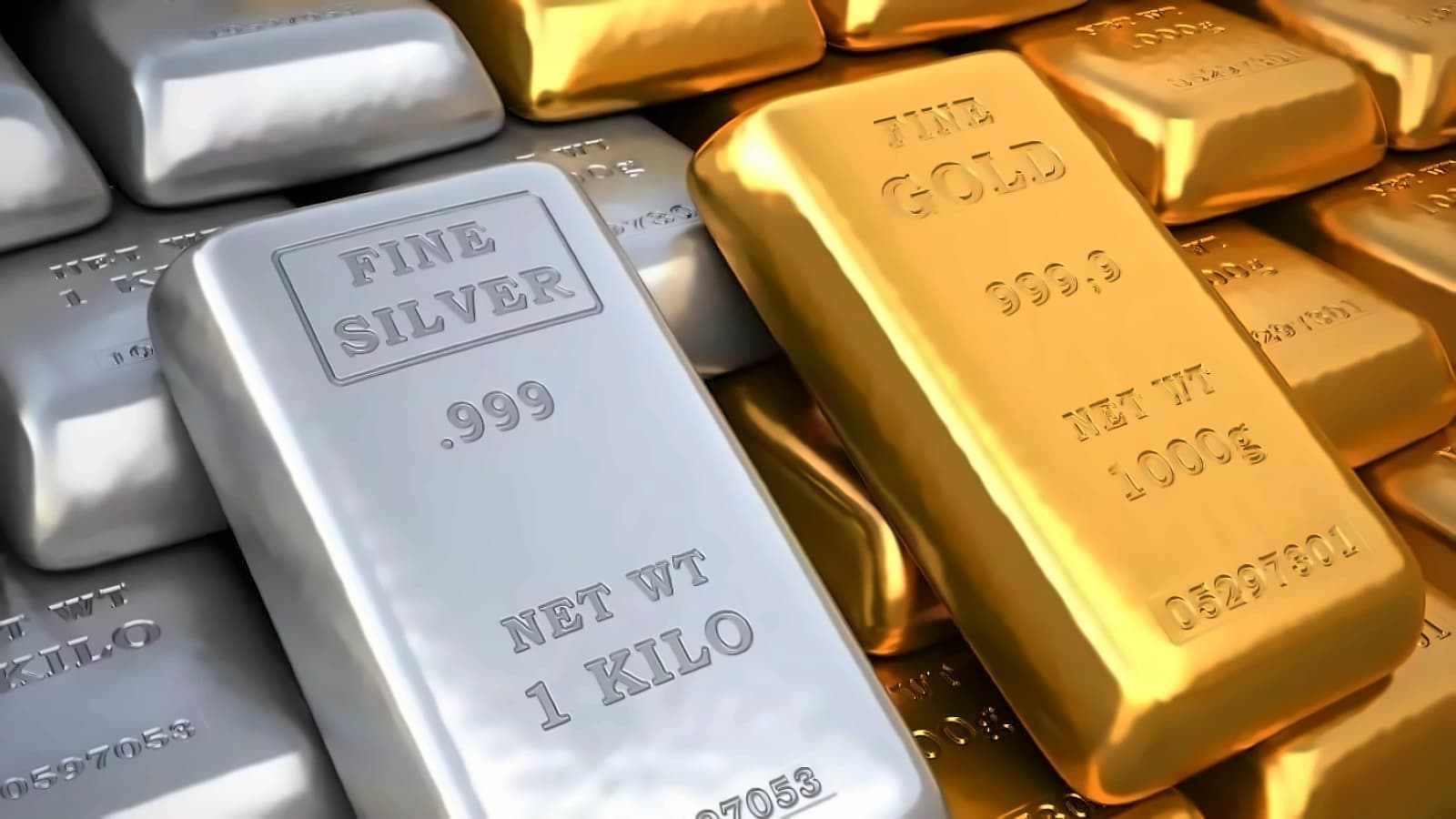
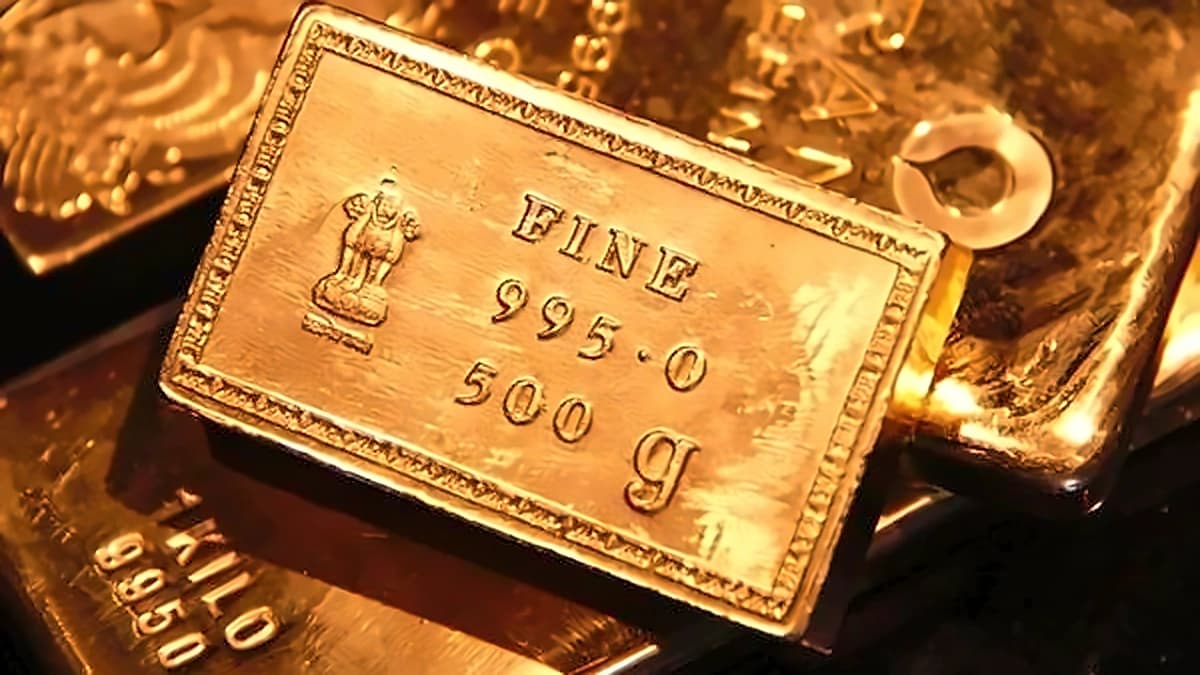
India's gold imports experienced a dramatic 34% year-on-year increase to $3.41 billion in May, driven by soaring precious metal prices, according to commerce ministry data. This surge comes despite the government's recent decision to increase import duty on precious metals from 6% to 15% effective May 13. The price hikes announced earlier this month, with gold base import price raised by $5 per 10 grams to $1,348/10 gm and silver base import price increased by $83/kg to $2,175/kg, have not deterred importers from capitalizing on high demand. Silver imports, however, plummeted 87% to $75.57 million during the month, with volume terms dropping 94% year-on-year to 33 metric tons - the lowest since February 2023, as reported by The Times of India. The dramatic decline reflects the impact of new import curbs and regulatory restrictions implemented by the government.
The increased gold imports have pushed India's trade deficit to $28.21 billion in May, highlighting the impact of rising precious metal demand on the country's external balance. Gold is currently priced near ₹1,60,000 per 10 grams in the national capital, while silver trades around ₹2.60 lakh per kg. Switzerland remains the largest source of gold imports with about 40% market share, followed by the UAE at over 16% and South Africa at about 10%. The precious metal accounts for over 5% of India's total imports, making it a significant component of the country's trade balance. India spent a record $12 billion on silver imports in the 2025/26 financial year ended March, compared with $4.8 billion a year earlier, demonstrating the country's heavy reliance on overseas purchases to meet its silver needs.
Following the initial price hikes, curbs around silver imports were tightened as the government imposed fresh restrictions that required traders to obtain a government licence to bring the precious metal into the country. The Directorate General of Foreign Trade (DGFT) had issued a notification changing the import policy for specified silver bars from 'free' to 'restricted' with immediate effect. The Centre in the beginning of June said the precious metal can now be imported only after obtaining the Directorate General of Foreign Trade's approval, when routed through banks or other RBI-nominated agencies. In mid-May, India restricted imports of silver in nearly all forms with immediate effect, and further tightened rules by adding silver grain and powder to the restricted category and requiring prior import authorisation. The regulatory changes have made imports significantly more difficult, with a Mumbai-based dealer noting that "there is demand, but imports have become difficult due to the restrictions, and local premiums have started to rise."
The sharp decline in silver imports, which meet more than 80% of India's silver demand through overseas purchases, could have significant implications for global silver markets. Silver is used in India for jewellery, coins, bars and industrial applications ranging from solar energy to electronics, making the country a crucial consumer in the global supply chain. Over the past year, demand has been driven more by investment buying than traditional jewellery and silverware consumption, with inflows into silver ETFs climbing to a record high. As reported by The Times of India, India imports silver mainly from the United Arab Emirates, Britain and China, and the reduced imports could weigh on global prices while helping narrow the country's trade deficit and ease pressure on the rupee.
The surge in gold imports has significant implications for India's current account deficit, which stood at $25.2 billion or 0.6% of GDP for the entire fiscal year 2025-26, compared to $22.9 billion or 0.6% of GDP in 2024-25. India reported a current account surplus of $7.1 billion or 0.7% of GDP in Q1 2025-26, though this was lower than the $13.7 billion surplus or 1.4% of GDP in Q4 2024-25. A current account deficit occurs when the value of imports and other payments exceeds the value of exports, making precious metal imports a critical factor in this balance. The government's policy of cutting base import prices to reduce costs, followed by subsequent hikes amid forex reserve pressures, reflects changing policy priorities in response to market dynamics.