The government has implemented a 5% customs duty on gold findings and silver findings under tariff heading 7113, as per Notification No. 16/2026-Customs issued on May 12, 2026. The Central Government amended earlier customs notifications issued in 2018 and 2021 under the Customs Act and Finance Acts. Platinum findings will attract 5.4% duty, while spent catalyst or ash containing precious metals imported for recovery or recycling purposes will attract 4.35% customs duty, subject to specified conditions and certifications. For all other goods under heading 7112, customs duty has been fixed at 5%. The changes were notified by the Department of Revenue in public interest and came into effect through publication in the Gazette of India.
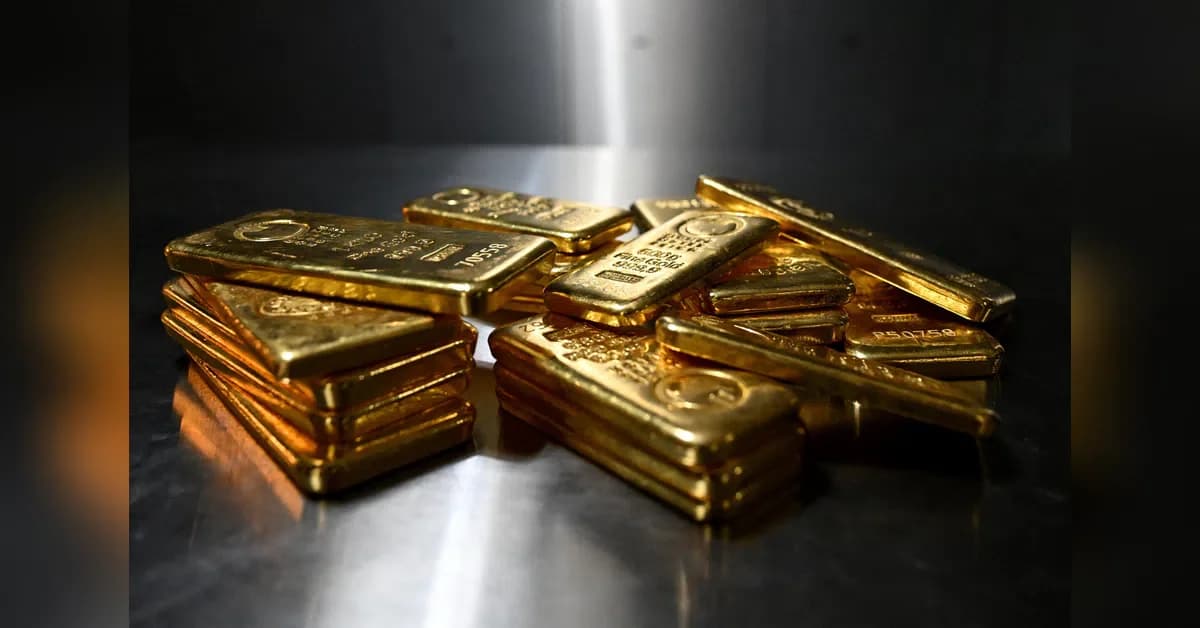
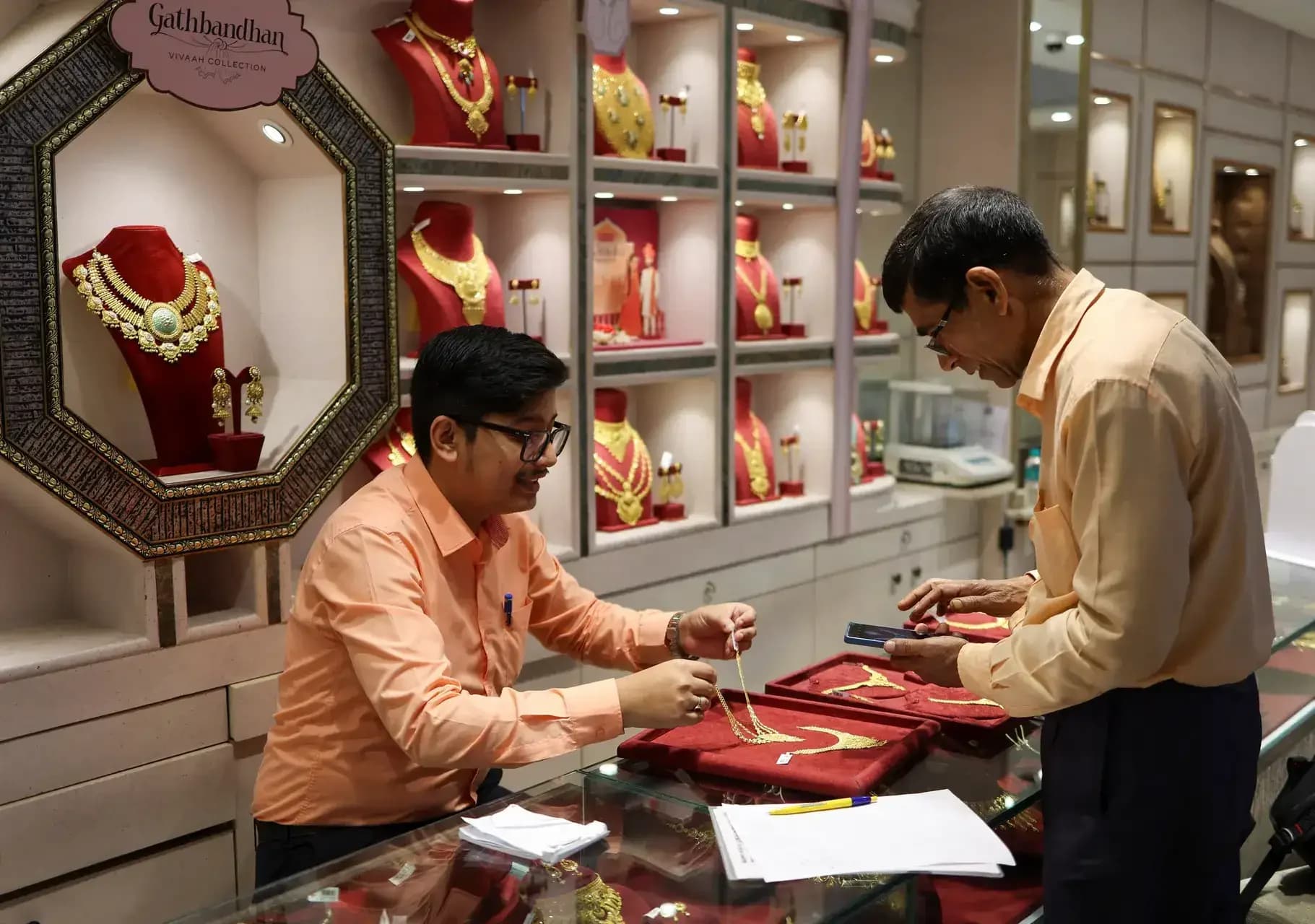
The government's decision to sharply hike import duty on gold to 5% is unlikely to significantly impact Indian weddings, according to industry experts. As reported by The Hindu BusinessLine, Suvankar Sen, MD and CEO of Senco Gold Ltd, noted that while the high-duty environment will likely lead to a moderation in overall gold imports, wedding-related demand remains structurally sound due to deep-rooted cultural traditions. The industry expects this duty increase to result in a 10-15% moderation in gold imports over time. However, players emphasize that wedding-related jewellery buying, deeply tied to cultural and family traditions, is expected to hold up despite elevated prices, with higher gold rates and duties likely to alter consumption patterns rather than suppress demand outright. According to latest reports, on ₹1 lakh of gold, that's ₹9,000 more in tax, representing a significant increase in import costs.
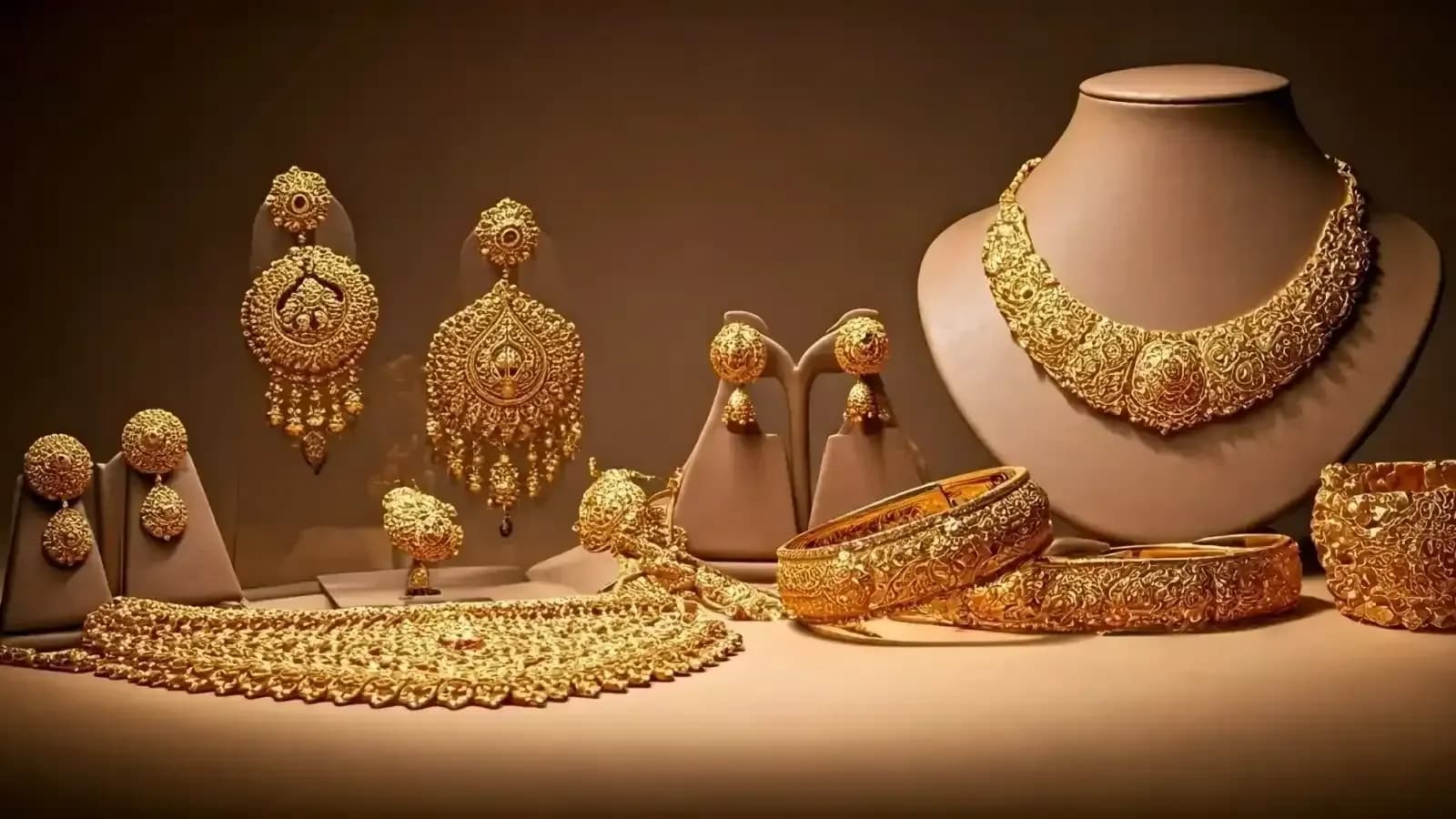
Industry players anticipate a shift in consumer behavior rather than outright demand suppression, with customers increasingly opting for lighter-weight jewellery including 9kt, 14kt and 18kt designs. According to The Hindu BusinessLine, Sen expects consumers to choose exchange-led purchases and more value-oriented designs to optimize budgets while continuing wedding-related buying. Raghav Dhir, Director of Dhirsons Jewellers, confirmed that higher import duties are not expected to impact purchases for wedding jewellery as that is part of the traditions and they usually do not cut back on spending. However, he noted that non-occasion based buying may see some decline due to the general cautiousness among consumers across categories. Given the recent gold price trends, the shift towards lighter-weight jewellery is expected to further amplify, with industry sources noting that around half of India's jewellery demand is already met by recycling old gold, suggesting a growing trend toward sustainable sourcing and cost optimization.
Despite volume pressures, the industry maintains optimistic value growth projections. As reported by The Hindu BusinessLine, Sen stated that while value growth for the industry may remain intact due to elevated gold prices, actual volumes could see some pressure as consumers trim quantities and ticket sizes. The industry is preparing for at least one year of relatively high duties on gold and believes this could result in moderated import volumes, though they do not see much risk to achieving their 20-25% value growth guidance for FY27. This resilience is attributed to Indian consumers having weathered several cycles of high gold prices, with wedding and engagement-related purchases remaining relatively resilient, though consumers are increasingly becoming more value-conscious in terms of quantity and design preferences. The government's move comes as India imported a record $71.98B of gold last year, with the rupee having been under pressure, as authorities seek to disconnect these two factors.
Wedding-related jewellery purchases are expected to gather momentum from mid-June onwards through the latter half of the year, according to industry sources. As reported by The Hindu BusinessLine, while a few auspicious dates are seen for weddings in May, the main buying season is anticipated to begin in the coming months. Jignesh Mehta, Founder & MD of Divine Solitaires, noted that Indian consumers have weathered several cycles of high gold prices, and wedding and engagement-related purchases have remained relatively resilient, though consumers are increasingly becoming more value-conscious in terms of quantity and design preferences.